





Effective waste management helps reduce environmental pollution. Incineration is one of the best methods to manage and treat different kinds of waste. High temperature combustion helps in the reduction and disposal of waste materials. Incineration processes can be accomplished using rotary kilns. A rotary kiln incinerator is designed using a slowly rotating cylindrical chamber to which a waste feed is introduced at one end and waste removed at the other.
This design allows for continual movement of the waste in the combustion chamber and helps provide even heat distribution during the waste treatment process. The waste is treated in a primary chamber and further treated in a secondary chamber if necessary. The whole system is then operated and controlled to ensure complete destruction of the harmful substances present in the waste. Rotary kilns are used in diverse industries and facilities to treat a variety of waste materials.
What Is a Rotary Kiln Incinerator?
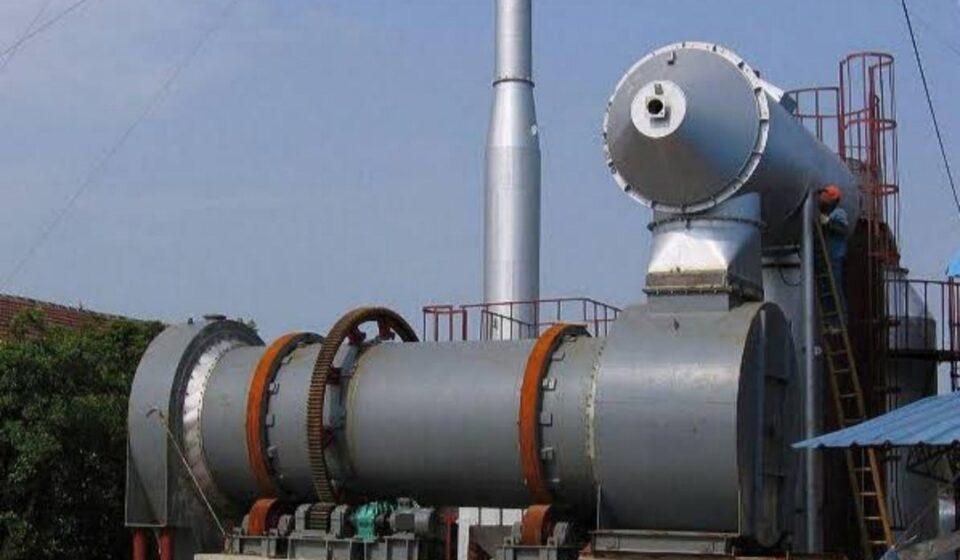
A rotary kiln incinerator is a deliberately engineered and constructed system to use a slowly rotating cylindrical chamber to burn waste materials. The kiln is designed and constructed to allow the introduction of the waste feed at one end, and removal of waste at the other. The slowly rotating kiln allows the waste to move through the chamber for treatment at controlled high temperatures. The system used for the treatment of waste is composed of a primary and a secondary combustion chamber along with other process control and emission control systems.
How Does a Rotary Kiln Incinerator Work?
Waste materials are introduced to a continuously operating system where a cylindrical chamber is rotated. As the chamber rotates, different waste materials are brought into the path of the combustion system and are evenly heated. Waste materials are “shepherded” through the system as the chamber rotates. Once through the combustion system, the gas is discharged to a second combustion chamber for further treatment. Ash is collected and disposed of in accordance with local regulations.
Rotary Kiln Incinerator Design
Different types of wastes can be treated in a rotary kiln incinerator design of the kiln allows for the proper movement of the waste through the system. Rotary kiln incinerators can be used to treat a wide variety of wastes including industrial wastes, chemical wastes, biomedical wastes and other hazardous wastes. Additionally, by using technology to control the temperature of the combustion chamber and by proper design of the chamber, environmental standards can be met.
Important Elements of a Rotary Kiln Incinerator
There are several features that enhance the operation of a rotary kiln incinerator. These include a rotating chamber, a refractory lined chamber, temperature monitoring and control systems, and the use of pollution control devices to further treat the waste stream before it is discharged.
Applications in Industrial and Laboratory Waste Management
Rotary kilns are primarily used by certain industries to effectively treat more difficult wastes. Industries include manufacturing and healthcare. Waste streams which may contain chemical and other hazardous components are treated by a rotary kiln system within an industrial manufacturing facility. A rotary kiln system is also used by healthcare facilities to treat biomedical wastes. Science lab wastes may include chemicals and contaminated materials. Prior to selection of a waste disposal method, the constituents of the waste must be assessed for compatibility.
Advanced Rotary Kiln Incinerator Designs
Flexible design of rotary kilns allows continuous treatment of a variety of wastes through internal mechanisms of the system to promote combustion and destroy gaseous wastes. Design features and process controls of rotary kilns facilitate the burning of waste materials and help to minimize emissions. Advanced design features of rotary kilns provide flexibility for automation of system controls to provide better operational monitoring and more effectively integrate pollution control devices. Because of these features, rotary kiln systems are becoming more widely accepted and utilized in various industries.
Factors to Consider When Choosing a Rotary Kiln Incinerator
Finding the most effective rotary kiln incinerator includes consideration of several factors such as the nature of the waste, required capacity, operating temperature, fuel consumption and maintenance requirements. Furthermore, customers should take into account the secondary combustion system, the emission control technology and the applicable environmental regulations. It is important that equipment be selected based on the specific characteristics of the waste to be treated in order to ensure efficient and reliable operation of the system.
Conclusion
Features of the rotary kiln incinerator include a sealed chamber for controlled combustion and movement of the waste stream through the incinerator. These features make the incinerator system very effective in the thermal treatment of waste. Other features address emission controls and provide added flexibility to the system to support safe and reliable operation. These systems support the waste management needs of numerous industries including biomedical and laboratory industries.