






Kansas agriculture includes diverse operations, from large-scale grain production to livestock and mixed farms. Each operation has different requirements for planting, tillage, harvesting, material handling, and property maintenance. Choosing machinery based only on size or horsepower can lead to unnecessary costs. The better approach is to match equipment capabilities with the actual work your operation performs.
When evaluating farm equipment in Kansas, consider field conditions, crop type, acreage, seasonal workload, storage, and available labor. A machine that performs efficiently on one farm might be poorly suited to another. The right equipment should complete required tasks efficiently while remaining practical to maintain and operate throughout the year.
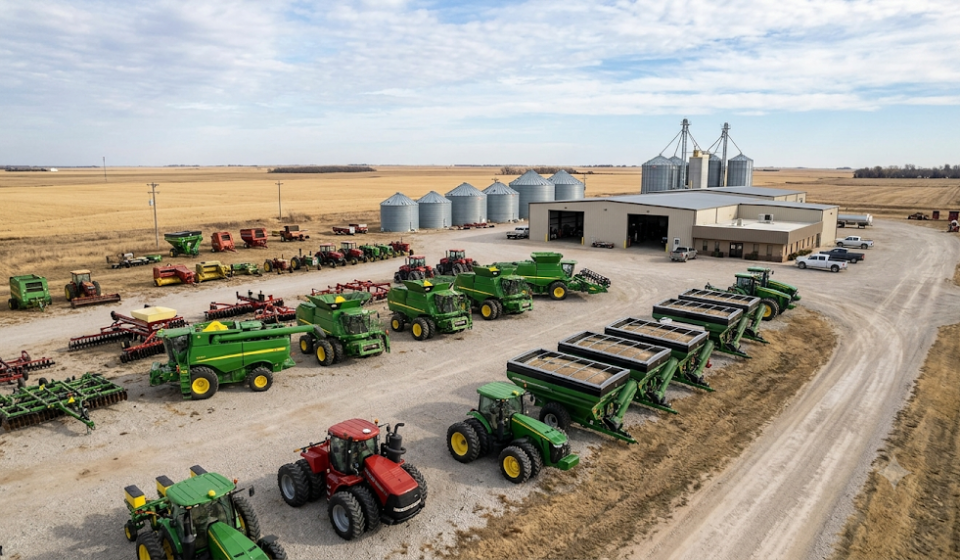
Equipment selection also involves considering the support available after purchase. Diamond S Welding & Machine Shop in Eureka, Kansas, supplies agricultural machinery and provides welding, hydraulic repair, and custom machining services to support equipment owners.
Start With the Job the Equipment Must Perform
Before comparing models, define the task. A tractor used primarily for pulling implements has different requirements from one used for loader work or intensive field operations.
Think about:
- Acres covered during a typical season
- Soil type and field conditions
- Required working width
- Horsepower and hydraulic needs
- Attachment compatibility
- Transport requirements
- Operator comfort and visibility
This approach prevents you from paying for features that do not provide meaningful value to your operation.
Consider Kansas Field Conditions
Kansas farms encounter varying soil conditions and weather patterns across the state. Equipment selection should account for the environment in which it will operate.
Heavy or compacted soils can place greater demands on tillage equipment. Uneven fields require machines and implements that maintain stability and consistent operation. Dust, heat, and long working hours also make cooling systems, filtration, lubrication, and maintenance access important considerations.
For seasonal equipment, timing matters as well. A breakdown during planting or harvest can create much greater operational disruption than the same problem during a slower period.
To minimize seasonal downtime, ask equipment suppliers about replacement parts availability, typical repair turnaround times, and whether temporary loaner or rental equipment arrangements are available. Knowing how quickly machinery can return to service helps reduce the risk of costly delays during critical agricultural periods.
New Versus Used Equipment
New machinery offers access to current technology, updated operator controls, and manufacturer support. Used equipment can provide strong value when the machine has a documented maintenance history and remains mechanically sound.
Operating hours are an important consideration when evaluating used farm machinery. Check the hour meter reading and compare it with available maintenance records, previous workloads, and manufacturer service intervals. High operating hours do not necessarily indicate poor equipment condition, particularly when the machinery has received consistent maintenance.
When inspecting used machinery, examine hydraulic components, tires, engine condition, belts, hoses, bearings, electrical systems, and structural areas. Ask about previous use and maintenance records. A lower purchase price does not represent a good value if major repairs are immediately required.
Maintenance Is Part of Equipment Selection
A machine is only useful when it is ready to work. Before purchasing equipment, consider how easily routine maintenance can be performed and whether replacement parts are reasonably accessible.
Daily inspections should include fluid levels, tire condition, visible leaks, belts, hoses, filters, and safety equipment. Following manufacturer service intervals also helps identify developing problems before they interfere with seasonal work.
Access to professional welding and equipment repair services is another important consideration. Welding, metal fabrication, and custom machining can help address damaged brackets, worn components, and other equipment-related problems where repairs are technically appropriate. Before purchasing machinery, confirm whether the service provider can handle the specific materials, components, and repair requirements associated with your equipment.
Keeping maintenance records provides another advantage. You can track service history, recurring issues, and operating costs over time.
Build an Efficient Equipment Strategy
The best equipment strategy balances productivity with ownership costs. Consider fuel use, maintenance, storage, depreciation, operator requirements, and the number of days each machine will actually be used.
For some operations, attachments or implements that serve multiple purposes provide greater value than adding another specialized machine. Rental or shared equipment can also make sense for occasional tasks.
Conclusion
Selecting farm equipment in Kansas requires more than comparing horsepower and purchase prices. Evaluate the work, field conditions, maintenance demands, and long-term operating costs before making a decision. A practical equipment plan helps your farm stay productive through demanding planting, growing, and harvest seasons.