






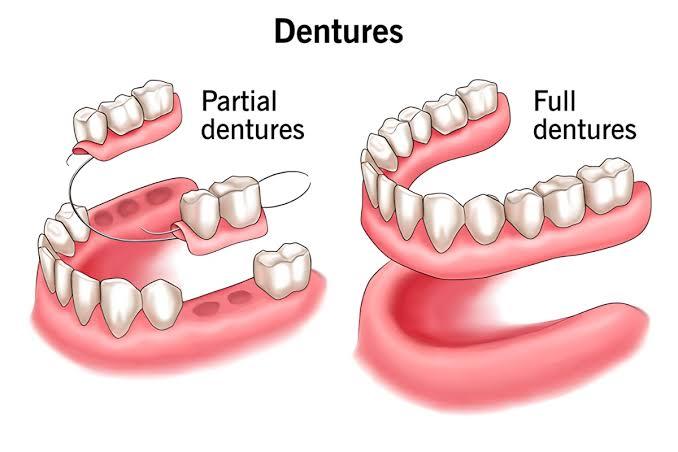

When teeth are lost, the question is rarely whether to replace them but how. For many people the choice narrows to two kinds of removable restoration: full dentures, which replace every tooth in an arch, and partial dentures, which fill the gaps between the teeth that remain. The names make the difference sound simple, yet the two options differ in cost, comfort, appearance, and the way they affect the mouth over time.
This guide compares full and partial dentures side by side so you can see which one fits your situation. It explains who each option is designed for, how pricing generally works, what each feels like in daily life, and what care they need. If you are trying to understand the cost of dentures before you meet with a dentist, this comparison will help you ask better questions and avoid choosing on price alone.
What Full and Partial Dentures Actually Are
A full denture, sometimes called a complete denture, replaces all of the teeth in the upper jaw, the lower jaw, or both. It rests on the gums and is held in place by a close fit, natural suction in the upper jaw, and in some cases a small amount of adhesive. A person who wears one has no natural teeth remaining in that arch, so the denture does all of the work of biting and chewing.
A partial denture is built to work alongside natural teeth. It consists of replacement teeth attached to a gum-colored base, and it connects to the remaining teeth with small clasps or precision attachments. Because it can lean on the teeth you still have, a partial often feels more secure and less bulky than a full denture, and it keeps the surrounding teeth from drifting into the empty spaces.
Who Each Option Is Designed For
Full dentures are usually recommended when most or all of the teeth in an arch are missing or cannot be saved. That may be the result of advanced gum disease, extensive decay, injury, or years of wear. A dentist will examine the remaining teeth and the supporting bone, because a tooth that looks weak but can be maintained might allow a partial to be used instead of a complete set.
Partial dentures suit people who still have healthy teeth and want to replace a few missing ones. They are a common choice when several teeth in a row are gone, or when teeth are missing on both sides of the mouth and a fixed bridge is not practical. Your dentist will assess the health of the anchor teeth, since they carry extra load and need to be strong enough to support the appliance.
How the Price Compares
In general, a partial denture involves fewer replacement teeth and a smaller base, so it often costs less than a full denture for the same arch. That is not always true, however. A partial with a cast metal framework and precision attachments can cost more than a basic full denture, because the design and lab work are more complex. Price depends on the details, not just the label.
Every office sets its own fees, so the most useful step is to ask for a written, itemized estimate. Find out what is included, such as the exam, X-rays, impressions, try-in visits, and follow-up adjustments. When you compare the cost of dentures from different offices, make sure each quote covers the same services, or the numbers will not be comparable.
Comfort and Fit
Comfort is where the two options feel quite different. A full denture floats on the gums, so it depends on a good fit to stay in place. The upper denture usually holds well because the roof of the mouth provides a larger surface for suction, while the lower denture is harder to stabilize because the tongue moves and the ridge is smaller. Many people find the lower denture the greater challenge.
A partial denture gains stability from the clasps that hold on to natural teeth, so it often feels more secure from the start. Some people notice that a partial feels bulky for the first few days, and clasps can be visible in certain designs. Every new denture needs an adjustment period, and sore spots are common early on, which is why follow-up visits are an important part of treatment.
Eating and Speaking
New denture wearers usually need time to relearn how to eat. Starting with soft foods, cutting food into small pieces, and chewing on both sides of the mouth at once helps keep the denture steady. Full dentures typically offer less biting force than natural teeth, so tough or sticky foods can remain difficult even after the adjustment period has passed.
Speech can also change at first. Certain sounds may feel unfamiliar until the tongue and lips adapt, and many people find that reading aloud for a few minutes each day speeds the process. Partial dentures tend to disturb speech less because part of the mouth remains natural, but both types take practice, and most people feel comfortable within a few weeks.
Appearance and a Natural Look
Modern dentures can look very natural when they are designed carefully. The shade, size, and shape of the teeth are chosen to suit your face and your smile, and the gum-colored base is tinted to blend with your own tissue. A full denture can also restore the support that lost teeth once gave to the lips and cheeks, which may soften the look of a sunken face.
With a partial denture, the goal is to match the replacement teeth to the natural ones next to them, which is a more delicate task. Clasps that show when you smile can be a concern, and your dentist may recommend a design that hides them or uses tooth-colored materials. Ask to see examples and discuss your expectations openly before treatment begins.
Effects on Remaining Teeth and Bone
Replacing missing teeth protects the ones that remain. Without a replacement, neighboring teeth can tilt or drift, the opposing teeth can over-erupt, and chewing forces become uneven. A partial denture helps hold the arrangement of your teeth in place, although the clasps place some load on the anchor teeth, which makes careful hygiene essential.
Bone is a separate issue. When teeth are lost, the jawbone that once supported them gradually shrinks, and a conventional denture does not stop that process. Over time the fit of a denture can loosen as the ridge changes. This is one reason dentures need relines and why some people later consider implant-supported options for better stability.
Daily Care and Maintenance
Both types of denture need daily cleaning. Remove them after eating when possible, rinse them, and brush them gently with a soft brush and a non-abrasive cleaner, not regular toothpaste, which can scratch the surface. Handle them over a folded towel or a basin of water so they do not break if they slip, and keep them moist when they are out of your mouth.
Most dentists advise taking dentures out at night to give the gums a rest and soaking them in a cleaning solution. Partial denture wearers must also brush and floss their natural teeth carefully, especially around the clasps, since plaque collects there easily. Regular dental checkups remain necessary, because the dentist looks at your gums, your remaining teeth, and the fit of the appliance.
How Long Dentures Last and What That Means for Cost
Dentures are not permanent. With good care they commonly last several years, but the teeth wear, the base can crack, and the mouth keeps changing. Relines, which refit the base to the gums, and occasional repairs are a normal part of ownership, and many people eventually need a new set. Thinking about the lifetime cost gives a fairer picture than looking at the first price alone.
A well-made appliance that is looked after properly tends to cost less over time than a cheap one that needs repeated work. Ask your dentist how long they expect your denture to last, what routine maintenance is likely, and what repairs cost. These details help you compare options on value rather than on the lowest number you can find.
Alternatives Worth Discussing
Removable dentures are not the only choice. A fixed bridge can replace one or a few teeth when the neighboring teeth are healthy enough to support it. Dental implants replace individual teeth without relying on the neighbors, and implant-supported dentures snap onto implants for much better stability than a conventional set. These options usually cost more at the start but may offer better comfort and function.
The right choice depends on your health, your jawbone, your budget, and your goals. A good dentist will describe each option honestly, including its drawbacks, and will not push the most expensive treatment. If you are unsure, ask for a second opinion, and ask about phased plans that let you start with one solution and upgrade later.
How to Decide With Your Dentist
The best way to choose between full and partial dentures is a thorough exam. Your dentist will look at the condition of your remaining teeth, your gums, and your bone, and will talk with you about your priorities, whether those are cost, comfort, appearance, or the ability to eat the foods you enjoy. Come with a list of questions and bring any previous dental records.
If you would like to understand pricing in more detail, you can read about the cost of dentures at South Shore Dentistry and Implants, or schedule a consultation to review your options in person. A clear plan and a written estimate make it much easier to choose a solution you will be happy with for years.
Frequently Asked Questions
Are partial dentures cheaper than full dentures?
Often, yes, because they replace fewer teeth, but a partial with a metal framework or precision attachments can cost more than a basic full denture. Compare itemized written estimates before you decide.
Which feels more comfortable, full or partial dentures?
Partial dentures often feel more secure because they clasp natural teeth, while full dentures depend on suction and fit. Both need an adjustment period, and follow-up visits help correct sore spots early.
How long do dentures usually last?
With good care, dentures commonly last several years, though the teeth wear and the mouth changes. Relines and repairs are normal, and many people eventually need a new set made.