





Your driveway is one of the first parts of your property that visitors notice. As it is exposed to vehicles, foot traffic and changing weather throughout the year, it can quickly collect dirt, oil marks, fallen leaves, mud and organic growth. Without regular attention, these deposits can gradually become more difficult to remove and leave the surface looking neglected.
Routine driveway maintenance is not just about improving appearance. It can also help manage slippery organic growth, prevent debris from accumulating in joints and make it easier to spot damage. Understanding why regular cleaning matters can help homeowners keep their outdoor spaces in better condition.
1. Stops Dirt from Becoming Deeply Embedded
Everyday use brings dirt and debris onto driveway surfaces. Vehicles transfer dust, road residue and mud, while shoes and garden equipment can introduce soil, grass and other particles.
When these deposits are left for long periods, repeated vehicle movement and rainfall can press them into textured surfaces and paving joints. This can make the driveway appear increasingly dull and uneven in colour.
Regular sweeping and suitable periodic cleaning help remove loose contamination before it becomes heavily established. The appropriate method depends on whether the driveway is made from block paving, concrete, tarmac, resin or natural stone.
2. Helps Control Moss and Algae Growth
Damp conditions can encourage moss and algae to develop on outdoor paving. Areas that receive little direct sunlight or remain wet after rainfall may be particularly affected.
Green algae can create a slippery film, while moss may grow between paving blocks and along the edges of the driveway. Apart from making the surface look untidy, this growth can increase the risk of slipping, especially during wet or frosty weather.
Regular inspections and suitable cleaning can help manage organic deposits before they spread extensively. The treatment should be selected according to the paving material, as aggressive chemicals or excessive pressure may damage certain surfaces.
3. Makes Oil and Vehicle Marks Easier to Manage
Driveways used for parking can develop dark patches from oil, fuel residue, tyre marks and other vehicle-related contamination. These stains can become more difficult to deal with when they are allowed to remain on the surface.
Oil may penetrate porous materials, making complete removal challenging. Prompt attention using a suitable cleaning product can improve the chances of reducing fresh marks before they become deeply established.
Different stains require different treatments, so it is important not to assume that ordinary water or high-pressure washing will remove everything. Some deposits may need specialist treatment, and older stains may not disappear completely.
4. Reduces the Build-Up of Leaves and Organic Debris
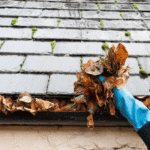
Leaves, twigs, seeds and small branches can collect on driveways, particularly during autumn. When this material becomes wet and starts breaking down, it can leave brown marks and contribute to organic growth.
Debris can also gather in the spaces between paving blocks, around drainage channels and beside garden borders. If it is not removed, it may trap moisture and make the area harder to maintain.
Sweeping regularly is a simple way to prevent this build-up. Clearing the surface after windy weather or periods of heavy leaf fall can also reduce the amount of material that becomes embedded in the paving.
5. Helps Keep Paving Joints Clear
Block-paved driveways contain joints that can collect sand, soil, seeds and organic debris. These spaces are important to the overall paving structure, so they should not be ignored during routine maintenance.
When weeds or moss begin growing between blocks, they can make the driveway appear untidy. Removing unwanted growth carefully can improve the finish, but excessive pressure may also disturb jointing material.
After suitable cleaning, some block-paved surfaces may require jointing sand to be replenished. The correct material and application method depend on the paving design and condition.
6. Supports Better Surface Safety
A driveway covered in algae, moss or accumulated dirt may become more slippery when wet. This can be a concern for households where people regularly walk between the house, garage and garden.
Keeping the surface reasonably clean can help manage these deposits and improve its general condition. However, cleaning alone cannot correct uneven slabs, loose blocks, damaged paving or poor drainage.
If an area remains slippery after cleaning, the underlying surface should be checked. Repairs or improvements to drainage may be needed to address the cause rather than simply treating the visible growth.
7. Prevents Drainage Areas from Becoming Overloaded
Driveways often include channels, gullies and other drainage features designed to manage rainwater. Leaves, mud and loose debris can collect around these points, restricting the flow of water.
If water cannot drain away properly, it may begin pooling on the driveway. Persistent standing water can leave marks, encourage algae growth and highlight problems with the surface levels.
Regularly clearing loose debris from accessible drainage points helps keep the area tidy. If water continues to collect, the drainage system and driveway levels may need professional assessment.
8. How Gutters Can Affect Driveway Cleanliness
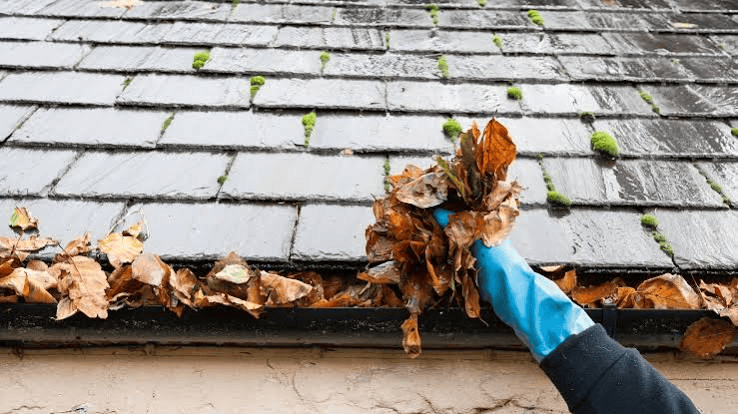
The condition of your property’s gutters can influence the cleanliness of the driveway below. When gutters become blocked, rainwater may overflow and carry roof debris, dirt and organic material onto the paving.
Repeated overflow can leave dark streaks and create damp patches near the house. These areas may become more vulnerable to algae growth, especially where sunlight is limited.
A professional Gutter Cleaning Service in Manchester can help remove accumulated leaves, moss and debris from suitable guttering and downpipes. Keeping the rainwater system clear helps direct water towards the intended drainage points, although damaged gutters and leaking joints may require separate repairs.
9. Why Professional Cleaning Can Be More Effective
A driveway may look straightforward to clean, but different materials need different approaches. Block paving, concrete, resin and natural stone can respond differently to pressure, cleaning chemicals and surface treatments.
A professional assessment helps establish the type of contamination, the condition of the paving and the safest suitable cleaning method. This is particularly important for older driveways, loose blocks, delicate stone and surfaces with damaged joints.
A Pressure Wash & Driveway Cleaning Service can help remove suitable dirt and surface deposits using equipment and methods selected for the material. Pressure should be controlled carefully to avoid damaging the paving, removing jointing sand or forcing water into vulnerable areas.
Professional cleaning can improve the appearance of a driveway, but it will not repair cracks, movement, subsidence or structural defects. These problems need separate attention.
10. Creating a Practical Driveway Maintenance Routine
Regular care does not have to involve intensive cleaning every week. A simple routine can make a noticeable difference over time.
- Sweep away leaves, soil and loose debris regularly.
- Check shaded areas for early signs of moss or algae.
- Deal with fresh oil and vehicle marks using suitable products.
- Keep accessible drainage channels free from loose debris.
- Inspect paving joints for weeds, gaps or missing sand.
- Arrange professional cleaning when general build-up becomes difficult to manage.
The ideal cleaning frequency depends on the driveway’s material, exposure to weather, surrounding trees and level of vehicle use. Properties with heavy traffic or limited sunlight may need more frequent attention.
Conclusion: Keep Your Driveway Cleaner With Regular Maintenance
Regular driveway cleaning helps prevent dirt, oil marks, leaves and organic growth from building up into more difficult deposits. It can also improve the appearance of your property’s entrance, help manage slippery surface contamination and make it easier to identify drainage or paving problems that need repair.
If your driveway has become stained, discoloured or covered in moss and algae, BrightWhite UPVC Cleaning Services can help you explore suitable exterior cleaning options. The team provides a professional Pressure Wash & Driveway Cleaning Service, alongside a Gutter Cleaning Service in Manchester, helping homeowners in Middleton, Greater Manchester and surrounding areas maintain cleaner outdoor spaces. Contact BrightWhite to discuss your property’s needs and request a free, no-obligation quote.
BrightWhite UPVC Cleaning Services
544 Oldham Rd, Middleton, Manchester M24 2EB
0161 284 0618