





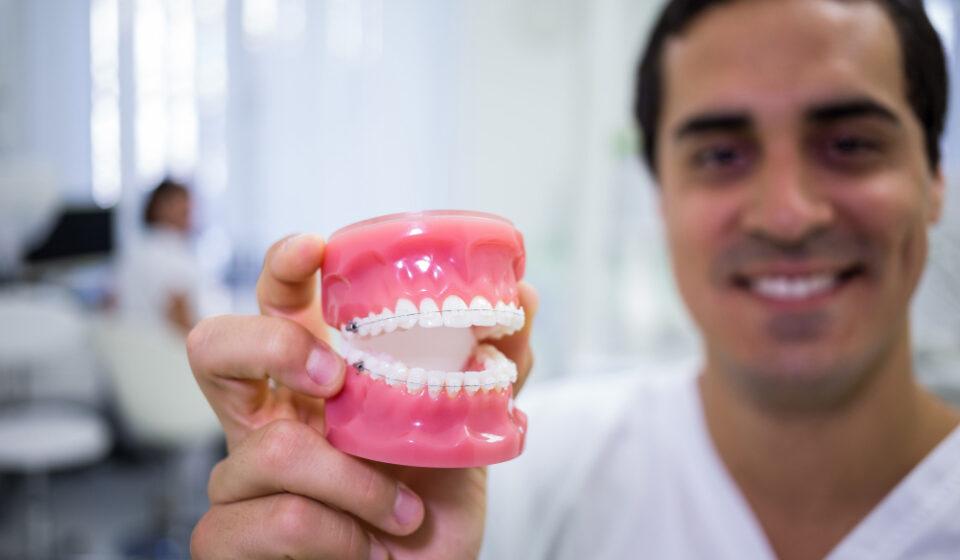

Missing teeth can affect much more than your appearance. They can make eating difficult, interfere with speech, and reduce confidence in social situations. For individuals experiencing extensive tooth loss, all on four implants in Kirkland offer a modern approach to restoring dental function and smile aesthetics. This treatment uses strategically positioned dental implants to support a full arch of replacement teeth, providing an alternative to traditional removable dentures.
Advancements in implant dentistry have made full-mouth restoration a practical option for many patients seeking long-term improvements in their oral health.
What Are All-on-Four Dental Implants?
All-on-Four is a dental implant technique that uses four implants to support a complete arch of prosthetic teeth in the upper or lower jaw.
The implants are surgically placed into the jawbone, where they gradually integrate with the surrounding bone through a process called osseointegration.
Unlike conventional dentures that rest on the gums, implant-supported replacement teeth are secured to dental implants, providing greater stability during everyday activities.
The strategic positioning of the implants may also reduce the need for bone grafting in suitable patients.
How Does the All-on-Four Procedure Work?
The treatment process involves several stages designed to support successful implant placement and long-term oral function.
Initial Consultation and Assessment
An oral surgeon evaluates the patient’s dental health, medical history, jawbone condition, and treatment goals. Diagnostic imaging may be used to assess bone structure and determine suitable implant placement.
Personalized Treatment Planning
Based on the examination, the surgeon develops an individualized treatment plan. Factors such as bone density, remaining teeth, and overall health influence the recommended approach.
Dental Implant Placement
Four dental implants are placed in carefully selected positions within the jawbone. Any remaining teeth that require removal may also be extracted as part of the procedure.
Temporary Replacement Teeth
Eligible patients may receive a temporary fixed prosthesis on the same day as implant surgery. This depends on implant stability, bone quality, and individual clinical circumstances.
Healing and Final Restoration
Over the following months, the implants integrate with the jawbone. Once sufficient healing has occurred, the final prosthetic teeth are fitted.
Benefits of All-on-Four Dental Implants
Full-arch dental implant treatment offers several potential advantages for individuals experiencing significant tooth loss.
Improved Chewing Function
Implant-supported teeth provide a stable foundation that can help patients chew a wider variety of foods more comfortably after healing.
Natural-Looking Appearance
Custom-designed replacement teeth can restore the appearance of a complete smile while complementing the patient’s facial features.
Greater Stability
Unlike removable dentures, fixed implant-supported restorations are designed to remain securely attached during speaking and eating.
Jawbone Preservation
Dental implants provide stimulation to the surrounding jawbone, which may help reduce bone deterioration associated with missing teeth.
Reduced Need for Bone Grafting
The angled placement of certain implants can make use of available bone, potentially reducing the need for additional grafting procedures in suitable cases.
Improved Everyday Confidence
Restoring missing teeth may help individuals feel more comfortable smiling, speaking, and participating in social activities.
Who Is a Suitable Candidate for All-on-Four Implants?
All-on-Four treatment may be appropriate for individuals who:
- Have lost most or all teeth in one or both dental arches.
- Experience discomfort or instability with removable dentures.
- Have severely damaged teeth that cannot be predictably restored.
- Have sufficient bone to support strategically placed implants.
- Maintain good oral hygiene habits.
- Are medically suitable for dental implant surgery.
Certain health conditions, smoking habits, and untreated gum disease may affect implant healing and treatment outcomes.
A comprehensive evaluation by an oral surgeon is necessary to determine whether this treatment is appropriate.
All-on-Four Implants vs. Traditional Dentures
Traditional dentures and implant-supported restorations both address missing teeth, but they differ in several important ways.
| All-on-Four Implants | Traditional Dentures |
|---|---|
| Fixed implant-supported restoration | Removable prosthetic teeth |
| Greater stability during chewing | May shift during eating |
| Requires surgical implant placement | Generally does not require implant surgery |
| Provides stimulation to surrounding bone | Does not directly stimulate jawbone |
| Typically higher initial cost | Generally lower initial cost |
| Requires specialized professional maintenance | Requires regular removal and cleaning |
The appropriate option depends on individual oral health, personal preferences, budget, and treatment requirements.
Caring for Your All-on-Four Dental Implants
Proper maintenance is essential for protecting dental implants and supporting the longevity of replacement teeth.
Patients should brush regularly, clean around and underneath their prosthetic teeth using recommended dental hygiene tools, and attend routine professional examinations.
Avoiding tobacco products and following postoperative dietary instructions can also support healing and reduce the risk of complications.
Although prosthetic teeth cannot develop cavities, the surrounding gum tissue remains vulnerable to inflammation and infection.
Choosing an Oral Surgeon in Kirkland
Full-mouth dental implant restoration requires careful surgical planning, precise implant placement, and coordination with restorative dental professionals.
When considering treatment at 47 North Oral Surgery in Kirkland, patients can discuss their oral health concerns, available restoration options, and individual treatment requirements during a consultation.
Understanding the potential benefits, surgical risks, recovery expectations, and long-term maintenance requirements helps patients make informed decisions about their dental health.
Frequently Asked Questions
Are All-on-Four dental implants permanent?
Dental implants are designed as a long-term tooth replacement solution. However, the attached prosthetic teeth may require repairs or replacement over time.
Can I get replacement teeth on the same day?
Some patients qualify for same-day temporary replacement teeth, depending on implant stability and overall oral health.
How long does recovery take?
Initial recovery typically takes several days to a few weeks, while complete implant integration may require several months.
Is All-on-Four implant surgery painful?
Anesthesia helps manage discomfort during surgery. Temporary swelling, soreness, and tenderness may occur afterward.
Can All-on-Four implants fail?
Yes. Although dental implants can have favorable long-term outcomes, complications such as infection, implant failure, and bone loss are possible.
Conclusion
All-on-Four dental implants provide a comprehensive approach to restoring missing teeth, improving oral function, and supporting smile aesthetics. Through personalized treatment planning, professional surgical care, and consistent oral hygiene, suitable patients can benefit from a stable and functional dental restoration. Understanding the procedure, potential risks, and maintenance requirements is essential for achieving satisfactory long-term outcomes.