




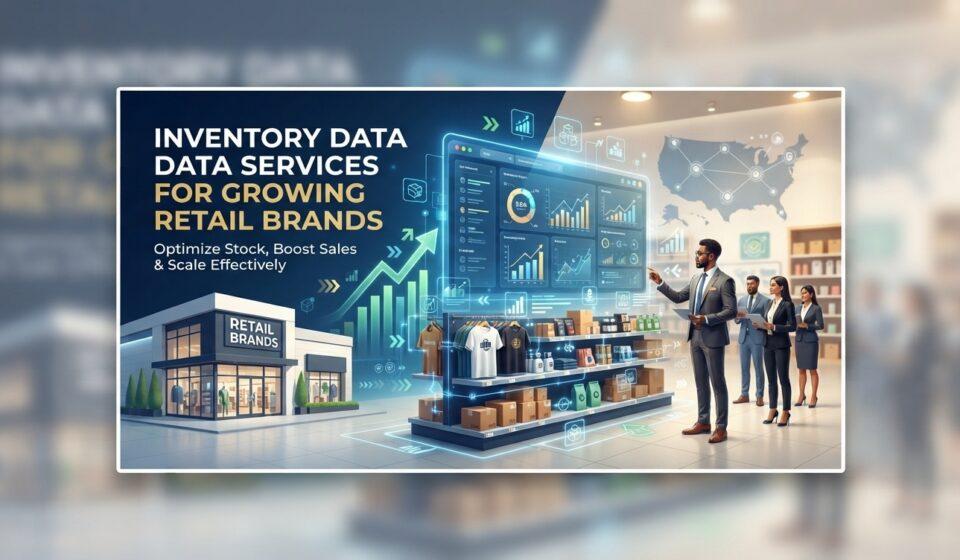

As retail businesses expand, managing products, stock levels, and customer demand becomes increasingly complex. Companies operating through physical stores, ecommerce websites, and online marketplaces need accurate information to maintain control over their inventory. Reliable inventory data helps retailers understand product movement, monitor stock availability, identify purchasing trends, and make better business decisions. Without organized information, growing brands may face stock shortages, excess inventory, inaccurate reports, and unnecessary operating costs.
Professional data management and analytics services can help retailers bring information from different systems together. By turning raw stock records into useful reports, businesses can improve inventory planning, manage resources more effectively, and support sustainable growth.
Why Growing Retail Brands Need Better Inventory Management
Inventory management becomes more challenging as a retail business adds new products, suppliers, warehouses, and sales channels. Information that was once easy to manage through spreadsheets may become difficult to maintain as operations expand.
For example, a retailer selling through its website, physical stores, and online marketplaces may receive orders from several platforms throughout the day. If stock records are not updated consistently, the business may show products as available even when they are out of stock.
These problems can lead to cancelled orders, delayed deliveries, and dissatisfied customers. Excess stock creates a different challenge because it ties up working capital and increases storage expenses.
A structured inventory management process helps businesses maintain accurate stock records and understand how products move through their operations. It also provides a stronger foundation for purchasing decisions and financial planning.
How Inventory Data Services Support Retail Operations
Retail analytics services help businesses collect, organize, and analyze information from different operational systems. Instead of reviewing disconnected spreadsheets, managers can use centralized reports to understand stock performance.
Centralize Information From Multiple Sources
Growing retailers often use separate platforms for sales, inventory, purchasing, accounting, and warehouse management. Each system may contain useful information, but reviewing them individually makes it difficult to understand overall business performance.
Data integration helps bring relevant information together in a consistent reporting environment.
For example, a retailer can connect sales records with warehouse stock levels and supplier information. This allows managers to compare product demand with available quantities and identify items that need replenishment.
Centralized reporting also reduces the time spent manually collecting information and preparing regular business reports.
Improve Stock Accuracy
Accurate inventory records are essential for efficient retail operations. Differences between recorded and actual stock levels can create problems with order fulfillment and purchasing.
Businesses should regularly compare system records with physical stock counts. They should also investigate differences caused by damaged products, returns, incorrect entries, or delayed updates.
A well-organized reporting system makes these discrepancies easier to identify. It also helps managers understand where inventory control processes need improvement.
Support Better Purchasing Decisions
Retailers need to purchase products in quantities that match customer demand. Ordering too much can increase storage costs, while ordering too little can result in lost sales.
Analyzing historical sales, current stock levels, supplier lead times, and seasonal demand helps businesses plan purchases more effectively.
For instance, a retailer selling winter clothing can review previous seasonal sales to estimate future requirements. This provides a more reliable basis for purchasing than simply repeating last year’s order quantities.
Important Inventory Metrics Retailers Should Monitor
Monitoring relevant performance indicators helps businesses understand how efficiently they manage their products. Different metrics provide different perspectives on inventory performance.
Inventory Turnover
Inventory turnover measures how frequently a business sells and replaces its stock during a specific period. It helps retailers evaluate whether products are moving efficiently.
A low turnover rate may indicate weak demand, excessive purchasing, or outdated products. A high turnover rate may suggest strong sales, although it can also indicate that stock levels are too low.
Retailers should compare turnover across product categories rather than relying on one overall figure.
Sell Through Rate
The sell through rate measures the percentage of available products sold during a selected period.
For example, if a retailer receives 400 units of a product and sells 280 units during the reporting period, the sell through rate is 70%.
This metric helps businesses understand which products are performing well and which items may require pricing changes or promotional activity.
Days Inventory Outstanding
Days Inventory Outstanding, or DIO, estimates how many days a business typically holds inventory before selling it.
A high DIO may indicate that products remain in storage for too long. This can increase carrying costs and reduce available working capital.
Retailers can use this information to review purchasing quantities and identify products that require better demand planning.
Stockout and Overstock Rates
Stockout reporting helps businesses identify products that frequently become unavailable. This is important because missing stock can result in lost orders and reduced customer satisfaction.
Overstock reporting highlights products that exceed expected demand. Monitoring both conditions helps retailers maintain a healthier balance between product availability and inventory costs.
Using Inventory Analytics to Improve Retail Profitability
Inventory performance has a direct connection with business profitability. Every purchasing, storage, and replenishment decision can influence operating expenses and cash flow.
Reduce Unnecessary Storage Costs
Holding excess inventory can create additional expenses, including warehouse rent, insurance, handling, and product depreciation.
Retailers can analyze stock movement to identify products that remain unsold for extended periods. They can then review purchasing quantities, adjust future orders, or introduce appropriate promotions.
This approach helps businesses avoid repeatedly purchasing products that do not generate sufficient demand.
Identify Products With Strong Sales Potential
Not all products contribute equally to retail performance. Some items generate consistent sales and healthy margins, while others require frequent discounts to attract customers.
Combining product sales information with cost and inventory records helps retailers identify products that provide stronger financial returns.
For example, a retailer may discover that a moderately priced product generates more consistent profit than a popular item with high storage and purchasing costs.
These findings can influence future product selection and inventory allocation.
Improve Demand Forecasting
Demand forecasting uses historical sales and other relevant information to estimate future product requirements.
Retailers can examine seasonal trends, promotional periods, customer purchasing behavior, and changes in product demand. This helps them prepare for expected increases or decreases in sales.
Forecasts should be reviewed regularly because market conditions, customer preferences, and supplier availability can change.
The Importance of Real Time Inventory Reporting
As retail operations grow, delayed information can create serious challenges. A product may sell through one channel while its stock availability remains unchanged on another platform.
Real time or frequently refreshed reporting helps retailers maintain a more accurate view of inventory across different locations and sales channels.
For example, a business operating three warehouses can use centralized reporting to understand where products are available and where replenishment is needed.
However, the quality of these reports depends on reliable system integrations and consistent data updates. Businesses should establish clear procedures for recording purchases, returns, transfers, and damaged products.
This makes inventory reporting more dependable and improves coordination between sales, purchasing, and warehouse teams.
Get Professional Inventory Analytics Support for Retail Growth
As a retail brand expands, managing different reporting systems and large product catalogs can require specialized knowledge. Businesses may need support with data integration, customized dashboards, inventory performance reporting, and demand analysis.
A specialist retail analytics provider such as Data Analytics Stack can help retailers organize information from multiple sources and develop reporting solutions based on their operational requirements.
With centralized dashboards and structured reporting, business owners can monitor stock movement, compare product performance, and identify areas where costs can be reduced. This also gives management teams better information for purchasing, replenishment, and long term business planning.
Conclusion
Growing retail brands need accurate reporting to manage products, control expenses, and maintain consistent stock availability. Better purchasing decisions depend on understanding customer demand, product performance, supplier activity, and inventory movement. Reliable inventory data helps businesses identify stock problems, improve demand forecasting, reduce unnecessary storage costs, and make informed operational decisions. By combining organized information with professional analytics services, retailers can strengthen inventory management and build a more efficient foundation for sustainable business growth.
Frequently Asked Questions
1. What is inventory data in retail management?
Inventory data refers to information about products, stock quantities, sales, purchases, returns, and warehouse availability. Retailers use this information to monitor product movement, manage replenishment, and maintain accurate stock records.
2. How can inventory data services help growing retail businesses?
Inventory data services help retailers organize information from different systems, develop customized reports, monitor stock performance, and improve demand forecasting. These services make it easier to identify inventory problems and support better purchasing decisions.
3. Which inventory metrics are most important for retail brands?
Important inventory metrics include inventory turnover, sell through rate, days inventory outstanding, stockout rates, and carrying costs. Monitoring these indicators helps retailers understand product performance, improve stock availability, and control operating expenses.