






Modern electrical systems depend on reliable connections between different components. From automobiles and industrial machinery to railway equipment and electronic devices, every application requires an organised way to distribute electrical power and signals. This is where wire harnesses play an important role.
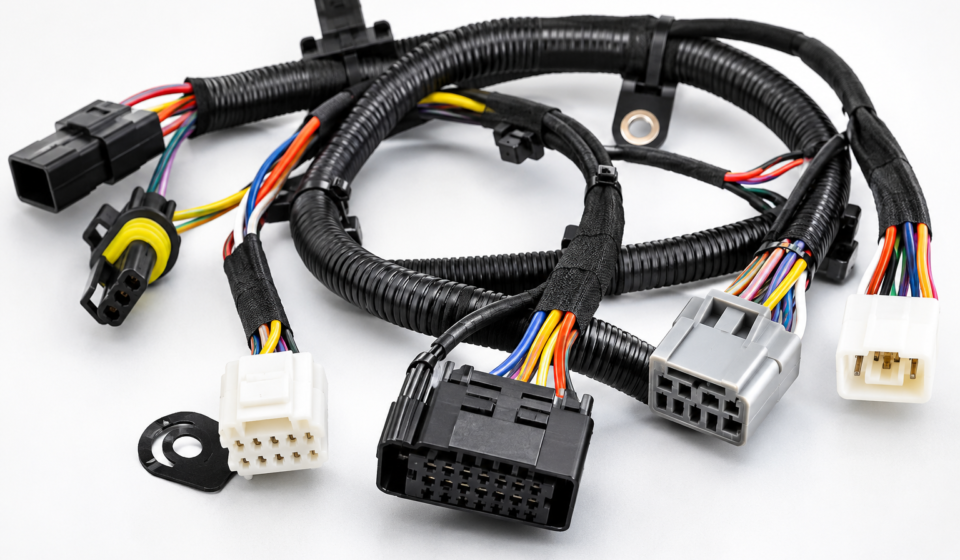
A wire harness is an organised assembly of electrical wires, cables, connectors, terminals, and protective materials designed to connect different parts of an electrical system. Instead of managing multiple loose wires, manufacturers use customised harness assemblies to make installations safer, more organised, and easier to maintain.
With the growth of India’s automotive, electronics, renewable energy, and industrial manufacturing sectors, the demand for dependable wiring solutions continues to increase. As a result, businesses are paying closer attention to the capabilities and quality standards of wire harness manufacturers in India.
Understanding the Importance of Wire Harnesses
A wire harness does much more than connect electrical components. It helps manage complex wiring systems while protecting individual wires from environmental and mechanical damage.
Consider an automobile, for example. It contains several electrical systems responsible for lighting, engine management, sensors, entertainment, safety features, and other functions. Each system requires properly routed electrical connections. A well-designed wire harness brings these connections together into an organised assembly.
Similarly, industrial machines use wiring harnesses to connect motors, control panels, sensors, switches, and monitoring equipment.
Some important benefits include:
- Better organisation: Multiple electrical connections are arranged into a single assembly.
- Improved safety: Protective coverings help reduce exposure to heat, moisture, abrasion, and other external factors.
- Simpler installation: Pre-assembled wiring reduces installation time and complexity.
- Reliable performance: Properly selected wires and connectors help maintain consistent electrical connections.
- Easier maintenance: Clearly organised wiring makes inspection, troubleshooting, and replacement more convenient.
Major Applications of Wire Harnesses Across Industries
Wire harnesses are used in several industries, but their design and specifications vary depending on the operating environment.
1. Automotive Industry
Automobiles contain extensive electrical networks. Wiring harnesses connect batteries, lighting systems, sensors, dashboards, electronic control units, and other components.
Electric vehicles have also increased the importance of specialised wiring solutions. Their electrical architecture may require separate low-voltage and high-voltage harnesses, depending on the application.
2. Industrial Machinery
Manufacturing equipment relies on electrical connections for motors, automation systems, control units, and sensors. Industrial wiring harnesses help simplify machine assembly and support dependable operation.
For example, a production line may use different harness assemblies to connect its conveyor motors, safety switches, and control panels.
3. Railway and Transportation
Railway equipment operates in demanding environments where vibration, temperature variations, and electrical reliability are important considerations.
Harness assemblies must be selected according to the equipment’s technical requirements and applicable safety specifications.
4. Electronics and Electrical Equipment
Electronic products, appliances, and electrical devices use compact wiring assemblies to connect internal components. In these applications, correct wire selection, connector compatibility, and space-efficient routing are essential.
How Is a Wire Harness Manufactured?
Understanding the manufacturing process helps businesses evaluate suppliers more effectively. Although production methods vary according to design complexity, most wire harness manufacturing processes involve several important stages.
1. Design and Engineering
The process begins with understanding the electrical requirements, operating environment, wire lengths, connector positions, and installation space. Engineering drawings and wiring diagrams help define the complete assembly.
2. Wire Cutting and Stripping
Wires are cut according to the required dimensions. Insulation is then removed from specific sections to prepare the conductors for terminal connections.
3. Crimping and Connector Assembly
Terminals are attached to the wire ends using suitable crimping tools and dies. Connectors are then assembled according to the wiring layout.
4. Routing and Bundling
Individual wires are arranged according to the required design. Protective sleeves, tapes, clips, and other materials may be used to maintain the correct routing and provide additional protection.
5. Inspection and Electrical Testing
The finished assembly undergoes inspection and appropriate electrical tests. These may include continuity testing, short-circuit detection, connector verification, and insulation-related checks, depending on the product specifications.
Following a controlled process at every stage helps reduce manufacturing defects and improves consistency.
Important Factors to Consider When Choosing a Wire Harness Manufacturer
Selecting a supplier should not be based on price alone. A wiring failure can affect equipment performance, increase maintenance costs, and create operational delays.
Here are some practical factors businesses should evaluate before making a decision.
1. Material Quality
The conductor material, insulation, connectors, and protective coverings should match the intended application. Copper conductors, for example, are commonly selected for their electrical conductivity, while insulation materials vary according to temperature, chemical exposure, and flexibility requirements.
2. Customisation Capabilities
Different machines and electrical systems have different wiring requirements. A suitable manufacturer should be able to understand technical drawings, dimensions, connector specifications, and application-specific requirements.
3. Quality Control Procedures
Ask about inspection methods, electrical testing facilities, production documentation, and traceability. For automotive and other specialised applications, check the relevant industry standards and customer-specific quality requirements.
4. Manufacturing Experience
Experience with different wire types, cable constructions, and industrial applications can help a manufacturer understand practical production challenges.
5. Delivery and Production Capacity
Before finalising a supplier, discuss production timelines, minimum order quantities, repeat-order requirements, and the ability to maintain consistent quality at higher volumes.
Common Mistakes Businesses Should Avoid
Even a well-planned electrical project can face problems when wiring requirements are not properly evaluated.
Some common mistakes include:
- Selecting wires only by price: Low-cost materials may not provide the required temperature resistance, flexibility, or electrical performance.
- Ignoring operating conditions: Harnesses used near engines or industrial equipment may require additional thermal and mechanical protection.
- Overlooking connector compatibility: Incorrect terminals or connectors can result in loose connections and intermittent electrical failures.
- Skipping proper testing: Visual inspection alone cannot identify every electrical fault.
- Providing incomplete technical drawings: Missing dimensions, connector details, or routing information can lead to production delays and incorrect assemblies.
The best approach is to finalise technical specifications before production begins and maintain clear communication between the engineering and manufacturing teams.
Why Indian Wire Harness Manufacturers Are Important for Industrial Growth
India’s manufacturing ecosystem is expanding across automobiles, electric mobility, electronics, infrastructure, defence, and renewable energy. These industries require dependable electrical components to support increasingly complex equipment.
Working with an Indian manufacturing partner can offer practical advantages, including easier communication, shorter supply chains for domestic projects, local technical coordination, and better access to production support.
However, businesses should still evaluate each supplier individually. Manufacturing capabilities, material sourcing, quality systems, testing infrastructure, and industry experience are more meaningful indicators than location alone.
Geekore: Supporting Electrical and Wiring Requirements
When evaluating manufacturers, it is worth looking at companies with experience across specialised wires, cables, and related electrical applications.
Geekore, a brand of GK Enterprises Pvt. Ltd., is an Indian manufacturer of specialised wires, cables, and heating products. Established in 1991, the company serves sectors including automobiles, railways, defence, renewable energy, and industrial applications.
Its product portfolio also includes wiring harness solutions, making it relevant for businesses exploring organised electrical connection assemblies.
Companies looking to understand available solutions can explore wire harness manufacturers in india and review the product information before discussing their specific technical requirements.
Final Thoughts
Wire harnesses are essential components of modern electrical systems. Their performance depends on several factors, including correct material selection, accurate engineering, suitable connectors, controlled manufacturing processes, and proper testing.
For businesses sourcing wiring solutions, the right manufacturing partner should offer more than competitive pricing. Technical understanding, consistent quality, customisation capabilities, and reliable communication all contribute to a successful long-term supplier relationship.
By evaluating these factors carefully, manufacturers and procurement teams can make better sourcing decisions and build electrical systems that are safer, more organised, and dependable over time.