




A road worker guiding vehicles through a temporary traffic zone does not have the same clothing requirements as a warehouse employee operating near forklifts.
Both may need high-visibility garments, but the working conditions, lighting and physical activities can be very different.
Selecting appropriate safety clothing requires more than choosing a fluorescent colour.
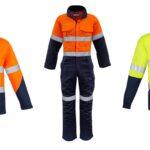
The correct hi vis workwear should suit the hazards identified at the workplace, provide appropriate visibility and remain comfortable throughout the working day.
Understanding which features matter for different jobs can help employers and workers make better purchasing decisions.
Why Does the Type of Job Influence Clothing Selection?
High-visibility garments help make workers more noticeable in environments where visibility is a safety concern.
However, the clothing required on a particular site depends on the work being performed.
Visibility Requirements Can Change Between Workplaces
Construction sites may involve heavy machinery and moving vehicles.
Road maintenance workers often operate near traffic, while logistics employees may work indoors under artificial lighting.
Each environment presents different visibility challenges.
Before choosing clothing, employers should consider the workplace risk assessment and relevant safety requirements.
A garment suitable for one application may not be appropriate for another.
What Should Construction Workers Look For?
Construction work often involves physical movement, contact with rough surfaces and exposure to outdoor conditions.
Clothing should provide suitable visibility while allowing workers to complete their tasks comfortably.
Useful Features for Construction Clothing
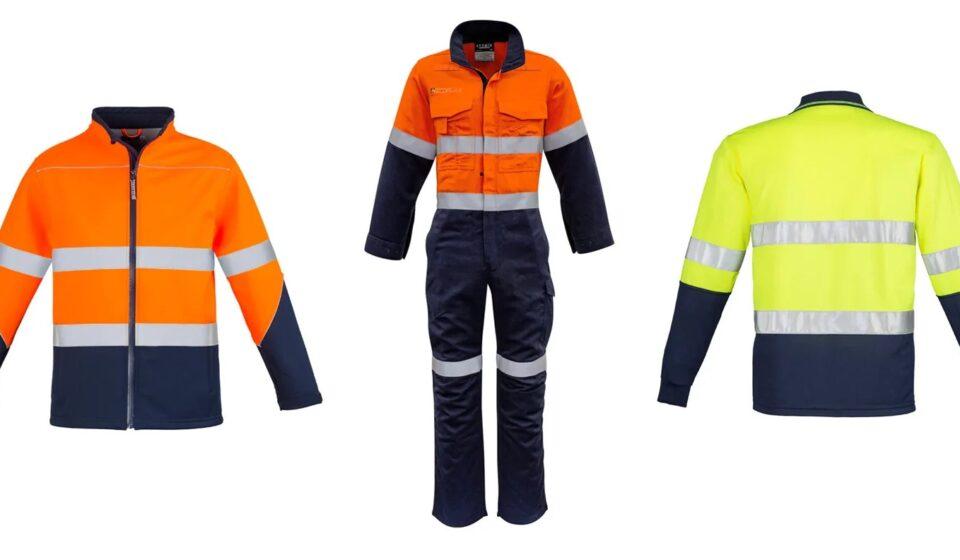
Depending on the job, practical features may include:
- Durable fabric suited to the activity.
- Appropriate fluorescent materials.
- Reflective tape where required.
- Comfortable sleeve and garment lengths.
- Practical ventilation.
- Suitable pockets and fastening arrangements.
When comparing hi vis work clothes, workers should examine both safety specifications and everyday functionality.
For example, a shirt with suitable ventilation may offer improved comfort during physically demanding summer work.
However, additional protective requirements may apply where workers face hazards beyond poor visibility.
What Matters Most for Road and Traffic Workers?
Roadside environments introduce particular visibility concerns because employees may work near moving vehicles.
Changing light conditions, vehicle headlights and complex backgrounds can affect how easily a worker is noticed.
Understand Day and Night Visibility
Australian high-visibility clothing is commonly assessed against AS/NZS 4602.1, with relevant materials addressed under AS/NZS 1906.4.
Garment classifications help identify the intended conditions of use.
Why Retroreflective Materials Matter
Retroreflective tape returns light towards its source, helping improve visibility when illuminated by vehicle headlights.
The arrangement of reflective material also matters.
A shirt with some reflective decoration is not automatically equivalent to a compliant day/night safety garment.
Workers should confirm the actual product classification and their workplace’s requirements.
Which Features Suit Warehouse and Logistics Workers?
Warehouses may involve frequent bending, lifting, walking and interaction with mobile equipment.
Comfort and freedom of movement are important considerations.
Prioritise Fit and Practical Movement
Loose clothing can create problems around some machinery, while garments that are too tight may restrict movement.
For warehouse workers, suitable high visibility work clothes should accommodate regular physical activity.
Breathable materials may also be useful in facilities where temperatures vary throughout the day.
However, clothing should not be treated as a substitute for pedestrian separation, traffic management and other workplace safety controls.
How Should Outdoor Workers Prepare for Different Weather Conditions?
Australian outdoor workers may experience intense sunshine, rain, wind and cooler early mornings.
A single garment may not provide adequate comfort across every season.
Build Suitable Workwear Layers
Layering can help workers adapt to changing conditions.
Common options include lightweight shirts, appropriate outerwear and weather-resistant jackets.
When selecting high visibility work clothes, ensure that the outermost visible layer meets the requirements of the worksite.
An ordinary jacket worn over a compliant high-visibility shirt may conceal important safety features.
Consider Sun Protection Separately
Long sleeves, suitable fabrics and sun-protective garments may help manage outdoor exposure.
However, visibility compliance and ultraviolet protection are different performance considerations.
Check the manufacturer’s specifications for each feature rather than assuming one guarantees the other.
Does Fabric Choice Affect Worker Comfort?
Fabric composition influences how a garment feels during extended wear.
Cotton, polyester and blended fabrics may offer different advantages depending on construction and intended use.
Lightweight Does Not Always Mean Suitable
A lightweight polyester polo may be comfortable for some active roles, but it may not meet the needs of workers facing abrasive or specialised hazards.
Similarly, heavier garments may provide useful durability in certain applications but become uncomfortable in warm environments.
For hi vis workwear, the appropriate fabric depends on both workplace requirements and the physical demands of the job.
How Can Workers Recognise Poorly Performing Garments?
Even correctly selected clothing requires inspection and maintenance.
Repeated washing, ultraviolet exposure and workplace contamination can affect visible materials.
Signs That Clothing Needs Attention
Workers should watch for:
- Noticeable fading of fluorescent fabric.
- Peeling or damaged reflective tape.
- Permanent contamination covering visible areas.
- Torn or excessively worn material.
- Fasteners that no longer secure the garment.
- Changes in fit that affect safe movement.
Damaged hi vis work clothes should be assessed against manufacturer guidance and workplace requirements.
If the garment no longer provides the required visibility, it should be replaced.
Why Choose Kings Workwear?
Kings Workwear offers high-visibility garments for Australian workers across different industries.
Its online range includes polos, shirts, jackets, trousers and other visibility-focused clothing options.
Customers can compare product descriptions, styles and stated specifications when selecting garments for particular applications.
For workers purchasing high visibility work clothes, reviewing individual product details helps identify options suited to their workplace conditions.
High Visibility Clothes Perth+1
About Us – Kings Workwear
Kings Workwear is a Perth-based Australian workwear retailer offering safety clothing, work footwear and related workplace products.
Its high-visibility clothing categories cater to workers seeking garments for different activities, environments and seasons.
Customers exploring hi vis workwear can examine the available selection while considering their workplace’s safety and comfort requirements.
Choose Visibility Clothing Around the Job
There is no single high-visibility garment that suits every workplace.
Construction, road maintenance, logistics and outdoor work each involve different practical requirements.
The most suitable clothing combines the visibility features required for the site with an appropriate fit, material and design.
Before purchasing, identify the workplace hazards, confirm the garment’s stated classification and consider how comfortably it can be worn during normal duties.