






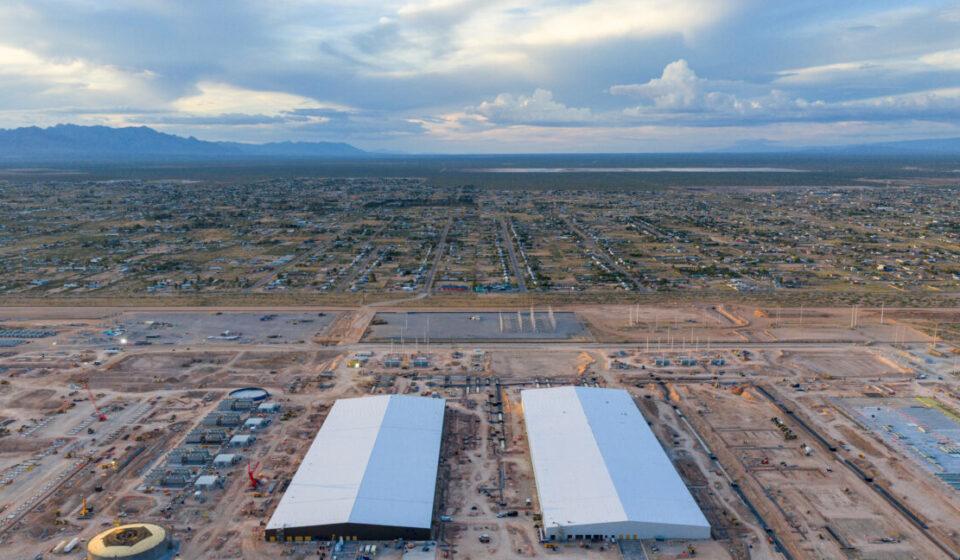

The rapid expansion of artificial intelligence infrastructure is placing intense pressure on corporate environmental commitments across the technology sector. In a prominent sign of this growing tension, Meta is re-evaluating its 2030 sustainability goals as emissions tied to AI-focused data centers continue to rise. The move highlights a fundamental challenge facing modern tech companies: balancing ambitious net-zero targets with the enormous compute and energy demands required to train and deploy next-generation AI models.
Meta Re-Evaluates 2030 Net-Zero Goals: What We Know
Meta has begun reconsidering its established 2030 climate and net-zero targets amid record levels of carbon emissions linked directly to data center expansion for artificial intelligence workloads. While major tech platforms previously committed to eliminating or offsetting their carbon footprints by the end of the decade, the sheer scale of modern hardware deployment has made these timelines increasingly difficult to maintain.
This re-evaluation raises crucial questions for the broader technology industry. Meta is not alone in aggressively building out compute capacity; several global tech giants are pouring tens of billions of dollars into high-density server clusters, cooling systems, and specialized chips. As Meta reassesses its path forward, industry analysts and environmental policy experts are watching closely to see whether other major technology providers will make similar adjustments to their public corporate responsibility roadmaps.
Why AI Data Centers Require Massive Energy Resources
Understanding why net-zero targets are coming under strain requires examining how artificial intelligence infrastructure operates compared to traditional cloud computing services.
1. High-Density Compute Clusters
Traditional cloud data centers primarily support web hosting, database management, and basic application processing. These workloads are typically distributed evenly across standard server racks. In contrast, artificial intelligence training relies on massive clusters of graphics processing units (GPUs) and specialized accelerators running continuously at peak capacity for weeks or months at a time. This density increases thermal output and electricity usage exponentially per square foot of data center footprint.
2. Continuous Energy Demands for Training and Inference
The lifecycle of large-scale AI models involves two main energy-intensive phases:
- Model Training: Training complex foundation models demands huge amounts of power to ingest massive datasets, perform complex mathematical calculations, and optimize weights across vast hardware clusters without interruption.
- Inference at Scale: Once trained, deploying models to millions of daily users requires ongoing compute resources to process real-time queries, generate multimodal output, and maintain microsecond latency.
3. Cooling and Facility Support Overhead
Because modern AI chips produce significant heat during computation, facilities must deploy advanced cooling architectures, such as liquid cooling, immersion tanks, and industrial chilling units. Operating these auxiliary climate systems adds substantial electricity consumption to the baseline server demands, further stretching regional electrical grids.
The Dilemma: Corporate Climate Targets vs. AI Expansion
When many technology companies announced their 2030 net-zero targets in the late 2010s and early 2020s, corporate sustainability strategies relied on predictable annual increases in energy efficiency alongside steady power purchase agreements (PPAs) for solar and wind energy. However, several structural factors have complicated these long-term forecasts.
Mismatch Between Grid Infrastructure and Data Center Growth
Data centers require reliable, 24/7 baseload power. Renewable energy sources like solar and wind generate intermittent power depending on weather conditions and time of day. While clean energy storage technology continues to improve, grid infrastructure in many regions has not scaled quickly enough to supply gigawatt-level clean power directly to newly constructed data center hubs. Consequently, facility operators must frequently rely on local power grids that depend on fossil fuels during peak operational hours.
Accelerated Capital Expenditure on AI Hardware
The competitive pressure to build leading AI capabilities has shifted corporate priority toward rapid hardware deployment. As companies rush to build larger data centers to support complex algorithms, infrastructure growth has outpaced the rate at which corporate sustainability teams can procure equivalent volumes of zero-carbon power.
Will Other Tech Giants Follow Meta’s Lead?
Meta’s strategic re-evaluation of its 2030 climate targets reflects a dilemma shared across the global tech ecosystem. Other major hyperscalers—including Microsoft, Google, Amazon, and Apple—have all established public decarbonization schedules. However, corporate environmental reporting across the sector has shown measurable increases in overall emissions, driven primarily by data center construction and supply chain manufacturing for specialized hardware.
Industry observers suggest that tech companies generally face three potential strategic paths moving forward:
- Target Adjustment: Formally revising or extending net-zero timelines to reflect realistic grid capacity and hardware demands, as Meta is currently re-evaluating.
- Direct Energy Investment: Partnering directly with nuclear, geothermal, or next-generation clean energy providers to secure dedicated, low-carbon baseload power directly for data center campuses.
- Carbon Offset Reliance: Expanding the purchase of high-integrity carbon removal credits to balance residual emissions while hardware footprint continues to expand.
Strategies for Managing AI Energy Consumption
Addressing the environmental impact of artificial intelligence without halting technological innovation requires coordinated efforts across hardware design, software optimization, and energy policy.
Algorithmic and Hardware Efficiency
Chip manufacturers and AI researchers are actively working to lower the power footprint of compute infrastructure. Innovations such as model quantization, sparse neural networks, and energy-efficient semiconductor architectures aim to deliver high model performance using significantly less wattage per operation.
Advanced Thermal Management
Transitioning from traditional air cooling to direct-to-chip liquid cooling or immersion cooling allows data centers to operate with far higher power usage effectiveness (PUE) scores, cutting down on the peripheral electricity required to keep server rooms operational.
Grid Integration and Regional Siting
Data center developers are increasingly choosing facility locations based on local availability of abundant clean energy—such as hydroelectric or nuclear power plants—rather than relying exclusively on traditional tech hubs where grid capacity is constrained.
Conclusion
Meta’s reconsideration of its 2030 net-zero goal highlights the tension between ambitious corporate climate pledges and the energy-intensive reality of modern artificial intelligence development. As data center emissions rise alongside the global demand for AI compute power, technology companies, energy providers, and policymakers must navigate a complex balancing act between technological advancement and environmental responsibility.
Sources