
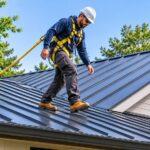

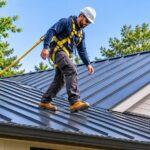


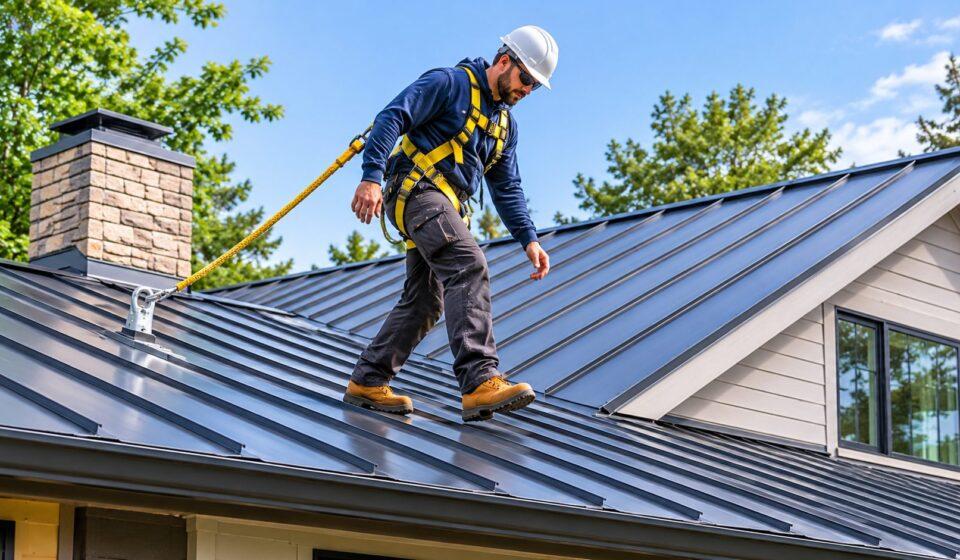

Some roofs ask for attention every few years. Others quietly do their job for decades while the house below changes owners, paint colors, and styles. Standing seam metal roofing belongs firmly in the second group, and its clean raised seams have made it a favorite for modern homes that want both durability and sharp looks.
The system is simple in concept and precise in execution. Long metal panels run from the ridge to the eaves, and the seams where they join stand raised above the surface, locked together and hiding every fastener from the weather. This guide to standing seam metal roof panels explains how the system works, where it performs best, and what to know before choosing it for your home.
How the Standing Seam System Works
Each panel is a long sheet of metal with raised edges. When two panels meet, their edges fold or snap together into a vertical seam that stands about one to two inches above the roof surface. That raised joint is the heart of the design, because it lifts the connection point up and away from flowing water.
The fasteners stay hidden underneath. Clips attach the panels to the roof deck and sit concealed inside the seam, so no screws pierce the visible surface. Every exposed screw on a normal roof is a future leak waiting for its washer to age, and this design removes that weakness almost entirely.
The clips also let the metal move. Metal expands in heat and contracts in cold, and a long panel needs room to slide slightly as temperatures swing. Floating clips allow that movement, which keeps panels flat and seams tight year after year.
Why Homeowners Choose It
Longevity leads the list. A well installed standing seam roof commonly serves 40 to 60 years, outlasting two or even three asphalt shingle roofs. For a homeowner planning to stay put, that can make it the last roof the house ever needs.
Weather performance follows close behind. The raised seams shed rain fast, the interlocked panels resist wind uplift far better than individual shingles, and the smooth surface lets snow slide off instead of building into heavy loads. In fire prone areas, metal also brings the comfort of a non combustible covering.
The look seals the decision for many people. Long unbroken lines from ridge to eave give a home a crisp, tailored profile that suits modern, farmhouse, and even traditional architecture. With dozens of colors and finishes, the roof can disappear quietly or become the feature that defines the house.
Panel Materials and Finishes
Steel is the most common choice, usually galvanized or coated with a protective alloy layer before painting. It balances strength, weight, and price, and suits the large majority of homes. Thicker gauges cost more but resist dents from hail and falling branches.
Aluminum shines near the coast. Salt air corrodes many metals over time, but aluminum handles marine conditions well and stays light, which eases the load on older roof structures. It costs more than steel, so it is usually picked where its corrosion resistance earns the premium.
Premium metals such as copper and zinc appear on high end homes and historic restorations. They can last a century and develop a natural patina that many owners love. Their price puts them in a different league, but for the right house they are a once in a lifetime purchase.
What It Costs and Why
Standing seam costs more upfront than shingles, often two to three times as much for the full job. The panels themselves are pricier, and the installation demands trained crews who form, align, and seam every panel with care. Labor is a large share of the bill.
The honest comparison is cost per year of service. Spread over 40 or more years, with almost no repair visits and no replacement in between, the yearly cost often lands close to cheaper roofs that need replacing twice in the same span. Energy savings help too, since reflective finishes cut cooling costs in hot climates.
Resale value adds a final point. Buyers recognize a metal roof as a premium feature, and a roof with decades of life left removes a big worry from any purchase decision.
Installation Points That Matter
This is not a forgiving roof for sloppy work. Panels must run straight and true, because every eye follows those long lines and any drift stands out. The deck below needs to be sound and flat, since the metal will mirror every bump beneath it.
Flashing details decide whether the roof stays dry. Valleys, chimneys, vents, and wall junctions all need metal work that moves with the panels instead of fighting them. Experienced installers plan these details before the first panel goes on.
Ventilation and underlayment matter as well. A high quality synthetic underlayment under the panels adds a second line of defense and quiets the sound of heavy rain. Good attic ventilation keeps the deck dry and protects the whole system from below.
Is It Right for Your Home
Standing seam suits most roof shapes, from simple gables to complex modern designs, and it works on pitches as low as 3/12 with the right seam type. It rewards homeowners who plan to stay, who face harsh weather, or who simply want a roof they never think about again.
It makes less sense for a house about to be sold purely on budget, or where the roof structure needs major repair first. In those cases the money may serve better elsewhere. For everyone else, it remains one of the strongest combinations of beauty and performance in roofing today.
About the author: Mint Guide Post shares practical home improvement guides drawn from real building practice. The focus stays on clear steps, honest costs, and designs that work in everyday homes.