






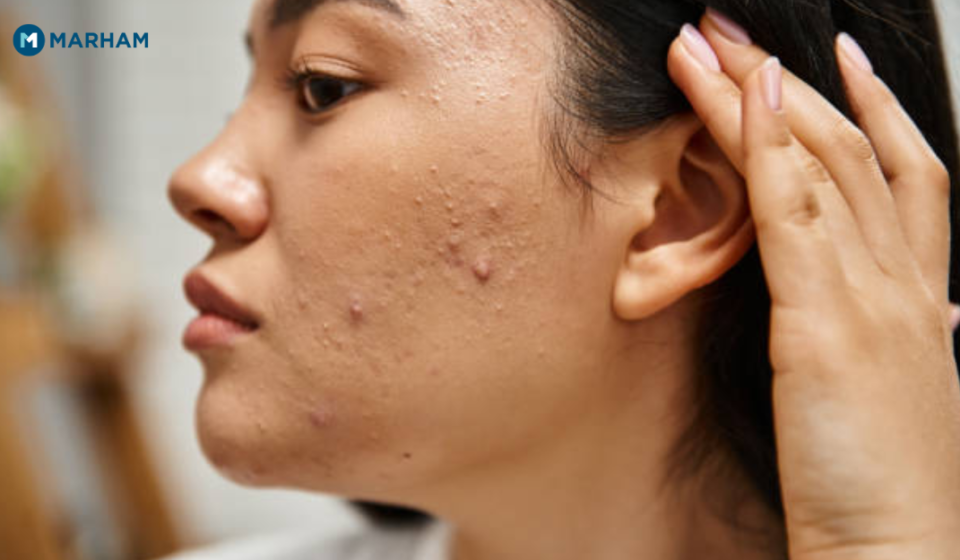

Acne is one of the most common skin concerns in Pakistan, affecting teenagers and adults alike. Whether you experience occasional pimples, blackheads, whiteheads, or painful cystic acne, dealing with breakouts can be frustrating. Hot weather, humidity, pollution, hormonal changes, stress, and unsuitable skincare products can all contribute to acne.
The good news is that acne can often be managed with the right skincare routine, suitable ingredients, and healthy daily habits. In this guide, we will explore the common causes of acne, effective acne treatments, natural skincare tips, and ways to maintain clearer, healthier-looking skin in Pakistan.
What Is Acne?
Acne is a common skin condition that develops when hair follicles become clogged with excess oil (sebum), dead skin cells, and sometimes bacteria. It commonly appears on the face, forehead, cheeks, chin, chest, and back.
There are several types of acne:
- Whiteheads: Small bumps that form when pores become blocked.
- Blackheads: Open clogged pores that appear dark due to oxidation.
- Papules: Small, red, inflamed bumps.
- Pustules: Pimples containing visible pus.
- Nodules and cysts: Deep, painful breakouts that may cause scarring.
Understanding your acne type can help you choose a more suitable treatment.
Common Causes of Acne in Pakistan
Several factors can trigger or worsen acne, particularly in Pakistan’s climate.
1. Hot Weather and Humidity
High temperatures and humidity can increase sweating and make skin feel oily. When sweat mixes with oil, sunscreen, and dirt, it may contribute to clogged pores, especially if the skin is not cleansed properly.
2. Hormonal Changes
Hormonal fluctuations during puberty, menstruation, pregnancy, and certain medical conditions can increase oil production. This is why many people experience acne around the chin and jawline.
3. Excess Oil Production
Oily skin produces more sebum, which can mix with dead skin cells and block pores. However, people with dry or combination skin can also develop acne.
4. Incorrect Skincare Products
Heavy creams, oily makeup, and unsuitable skincare products may contribute to clogged pores. Choose products labelled non-comedogenic whenever possible.
5. Stress and Poor Sleep
Stress can influence hormones and worsen existing breakouts. Poor sleep may also affect overall skin health.
6. Diet and Lifestyle
Some research suggests that high-glycaemic foods and dairy products may worsen acne in certain individuals. However, food triggers vary, and no single diet causes acne in everyone.
Best Acne Treatments for Clearer Skin
Choosing the right treatment depends on the type and severity of your acne. Here are some commonly recommended ingredients.
1. Salicylic Acid
Salicylic acid is a popular ingredient for oily and acne-prone skin. It helps exfoliate inside pores, remove dead skin cells, and reduce blackheads.
It is commonly available in face washes, serums, and toners. Beginners can start with a low concentration and use it a few times per week.
2. Benzoyl Peroxide
Benzoyl peroxide helps reduce acne-causing bacteria and inflammation. It is particularly useful for inflammatory pimples.
Start with a lower concentration, such as 2.5%, to reduce the risk of irritation. It can bleach towels and clothing, so use it carefully.
3. Niacinamide
Niacinamide is a useful skincare ingredient for people dealing with oily skin, redness, and post-acne marks.
It may help regulate oil production, support the skin barrier, and improve uneven skin tone. It is generally suitable for many skin types.
4. Retinoids
Topical retinoids, such as adapalene, help prevent clogged pores and treat different forms of acne. They can also improve skin texture over time.
Introduce retinoids gradually because dryness, peeling, and irritation are possible. Avoid topical retinoids during pregnancy, and consult a healthcare professional before using them if pregnant or planning pregnancy.
5. Azelaic Acid
Azelaic acid can help with mild acne, inflammation, and post-acne dark spots. It is a useful option for people who experience both breakouts and uneven skin tone.
Introduce it slowly and use sunscreen during the day.
Simple Daily Skincare Routine for Acne-Prone Skin
A consistent skincare routine is more helpful than using too many products at once.
Morning Routine
- Cleanse your face with a gentle face wash.
- Apply a lightweight niacinamide serum if suitable.
- Use an oil-free or non-comedogenic moisturiser.
- Apply broad-spectrum SPF 30 or higher sunscreen.
Night Routine
- Remove makeup and sunscreen properly.
- Wash your face with a gentle cleanser.
- Apply one suitable acne treatment, such as salicylic acid, azelaic acid, or adapalene.
- Finish with a moisturiser to maintain skin hydration.
Avoid introducing several active ingredients simultaneously. Start with one treatment and give your skin time to adjust.
Natural Skincare Tips for Acne-Prone Skin
Many people in Pakistan prefer simple home skincare methods. While natural remedies cannot replace proven acne treatments, a few gentle habits may support healthy skin.
- Aloe vera: Pure aloe vera gel may provide a soothing effect on irritated skin. Patch-test before applying it.
- Gentle cleansing: Wash your face twice daily and after heavy sweating.
- Clean pillowcases: Change pillowcases regularly to reduce the buildup of oil and dirt.
- Avoid touching pimples: Picking or squeezing acne can increase inflammation and scarring.
- Stay hydrated: Drink enough water throughout the day to support general health.
Avoid applying lemon juice, toothpaste, baking soda, or undiluted essential oils to your face. These ingredients can irritate the skin and make acne marks worse.
How to Prevent Acne in Pakistan’s Climate
Pakistan’s hot summers, dusty environments, and changing weather conditions can make skincare challenging. Follow these practical tips:
- Wash your face after sweating, but avoid excessive washing.
- Choose lightweight, non-comedogenic moisturisers.
- Use sunscreen daily, even when the weather is cloudy.
- Avoid heavy makeup during hot and humid days.
- Clean makeup brushes and reusable face tools regularly.
- Keep hair products away from your forehead.
- Avoid harsh scrubs that can irritate inflamed acne.
- Maintain a balanced diet and a regular sleep schedule.
When Should You Visit a Dermatologist?
Mild acne can often improve with a consistent skincare routine and over-the-counter treatments. However, professional advice is important if:
- You have painful, deep, or cystic acne.
- Breakouts are spreading across your face, chest, or back.
- Acne leaves permanent scars or dark marks.
- Your skin becomes severely irritated by skincare products.
- Acne does not improve after 8–12 weeks of consistent treatment.
- Breakouts are affecting your confidence or emotional well-being.
A dermatologist may recommend prescription creams, oral medication, or other treatments depending on your skin condition. Avoid using prescription acne medicines or steroid creams without medical guidance.
Final Thoughts
Treating acne requires patience, consistency, and the right skincare products. For people in Pakistan, heat, humidity, pollution, hormonal changes, and unsuitable skincare habits can make breakouts more challenging.
Start with a gentle cleanser, a suitable acne treatment, a lightweight moisturiser, and daily sunscreen. Ingredients such as salicylic acid, benzoyl peroxide, niacinamide, azelaic acid, and retinoids can help manage different types of acne.
Remember that clear skin does not happen overnight. Give your routine time to work, avoid experimenting with harsh home remedies, and consult a dermatologist when necessary. With the right approach, you can manage breakouts and support healthier-looking skin.