





Black seed has a long history of traditional use across parts of Asia and the Mediterranean, where Nigella sativa seeds have been valued in food and traditional preparations for generations. Today, this familiar botanical ingredient has moved into a much broader commercial world, appearing in personal-care products, beauty formulations, specialty oils and wellness-oriented product lines.
For modern brands, however, tradition alone is not enough. Ingredient buyers increasingly need traceable sourcing, consistent specifications and dependable documentation. Choosing the right Black seed oil manufacturer can therefore make an important difference when developing a product intended for a competitive market.
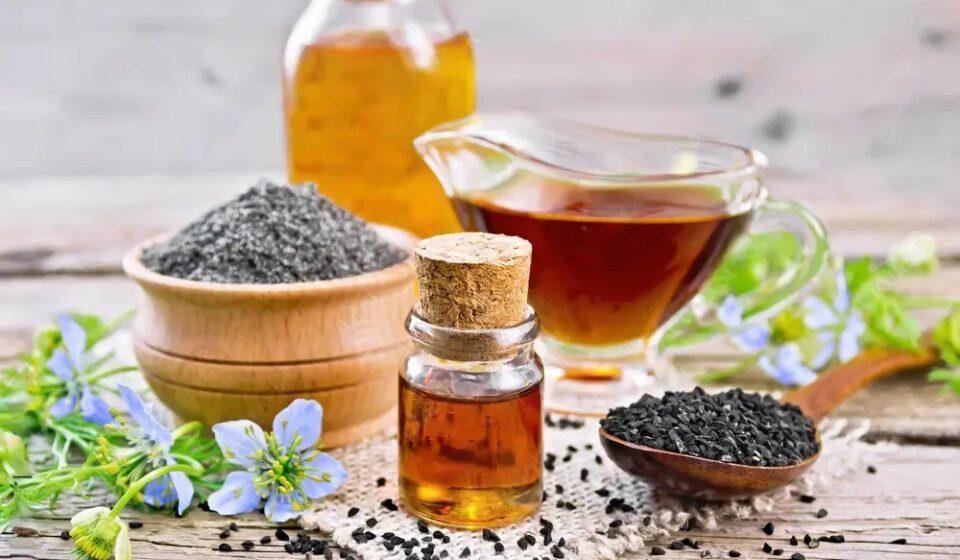
One product type that fits naturally into this category is Cold-Pressed Black Seed Oil. Cold pressing is widely used to obtain seed oils through a mechanical process, and it is particularly attractive to buyers seeking naturally positioned ingredients for cosmetic and wellness applications. Hetaksh’s official black seed oil page identifies cold pressing as one of the extraction methods used for its black seed oil, alongside supercritical CO₂ extraction.
For buyers evaluating a black seed oil supplier in India, quality should be considered from several perspectives. Botanical identity is one of the first. Black seed oil is generally derived from Nigella sativa seeds, and the oil may vary in appearance from brownish-yellow to deeper brown depending on extraction method, raw material and grade. Hetaksh’s published documentation also identifies Nigella sativa as the botanical source of its black seed oil.
Documentation is another key part of professional sourcing. Certificates of analysis, technical specifications, safety information and related quality records help formulation teams and purchasing departments assess whether an ingredient is suitable for their intended application. The company’s official website states that COA and MSDS documentation is available for applicable products, while its black seed oil page lists a broader range of supporting technical documents for buyers.
For businesses operating in cosmetics, personal care, fragrance, Ayurvedic products or other natural-ingredient categories, consistency is equally important. A reliable oil should integrate smoothly into formulations from one batch to the next while meeting the specifications agreed between buyer and supplier. This becomes especially important for companies purchasing larger quantities or developing repeat product lines.
Another advantage of working with an experienced B2B supplier is flexibility. Depending on the application, customers may require different grades, extraction methods, packaging sizes or active-content specifications. The official company information indicates that customized specifications may be available depending on customer requirements and supported product documentation.
For brands seeking to combine heritage-inspired ingredients with modern manufacturing expectations, black seed oil offers a compelling story. It connects centuries of traditional familiarity with today’s demand for documented, specification-driven natural ingredients.
Hetaksh Essential Oils brings this combination into the B2B marketplace through black seed oil and other natural oil categories designed for commercial customers.
Hetaksh’s official product information supports positioning black seed oil as a B2B natural ingredient for cosmetic, wellness, pharmaceutical, personal-care, and related applications. The company states that its black seed oil is derived from Nigella sativa and offers cold-pressed and CO₂-extracted options, with quality documentation available for applicable products.
Applications without overstating health benefits
Black seed oil is widely researched because of its fatty-acid profile and bioactive constituents such as thymoquinone. Reviews have examined possible antioxidant, metabolic, inflammatory and other biological effects, but evidence quality varies greatly by indication.
An umbrella review assessing systematic reviews and meta-analyses found that most evaluated outcomes were supported by low or very-low-quality evidence and concluded that larger, higher-quality randomized trials are still required to establish clinical efficacy reliably. Therefore, commercial descriptions should avoid presenting black seed oil as a proven treatment or cure for diseases. For procurement and formulation purposes, measurable characteristics—botanical identity, extraction method, oxidation status, contaminant limits and verified thymoquinone content where relevant—are more defensible quality indicators.
Supplier due diligence and assumptions
Companies searching for a Black seed oil manufacturer should request a current COA for the specific batch, SDS/MSDS, botanical identity information, extraction method, country of seed origin, manufacturing-site details, contaminant results, packaging specifications and applicable food, cosmetic or export documentation.
Public records confirm an Indian enterprise registration and historical Spices Board exporter registration, but several supplier claims remain buyer-verification items. The official product page advertises thymoquinone variants from 1% to 20%, 25 kg/180 kg packaging and numerous certificates or declarations; these claims should be checked against current, product-specific documents before being repeated as independently verified facts.
For procurement teams, formulators and brand owners, the real value lies not simply in finding an ingredient, but in finding a sourcing partner that understands quality, consistency and business requirements. That approach can help turn a traditional botanical oil into a dependable component of a modern product portfolio.