
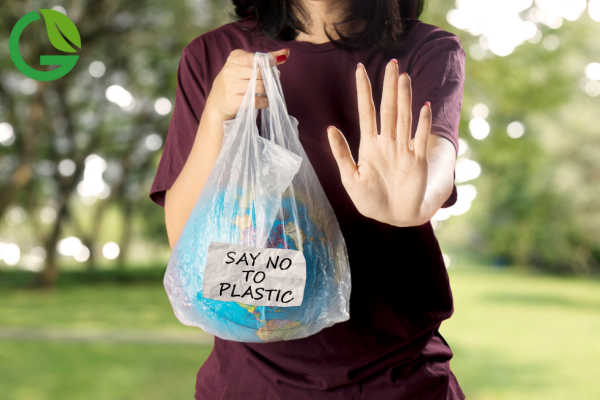
Plastic has become an integral part of our daily lives, used in a myriad of products ranging from packaging and containers to electronics and clothing. While plastic offers convenience and versatility, its durability and resistance to degradation also make it a significant environmental hazard. As plastic waste accumulates in landfills, oceans, and other natural habitats, it poses serious threats to biodiversity, ecosystem health, and human well-being.
In this comprehensive article, we examine the multifaceted impact of plastic on our environment. From its contribution to pollution and climate change to the detrimental effects on wildlife and human health, we delve into the various dimensions of the plastic problem. Additionally, we explore efforts and initiatives aimed at mitigating plastic pollution, including recycling programs, alternative materials, and policy interventions.
Environmental Impact
Plastic pollution exerts a profound impact on the environment, disrupting ecosystems and causing widespread ecological damage. The indiscriminate disposal of plastic waste leads to contamination of soil, waterways, and marine environments, posing risks to plants, animals, and aquatic life. Plastic debris can entangle marine species, such as sea turtles and seabirds, leading to injury, suffocation, and death. Moreover, microplastics—tiny particles resulting from the breakdown of larger plastic items—can infiltrate soil and water, potentially entering the food chain and endangering various organisms.
To combat the environmental consequences of plastic pollution, concerted efforts are needed to reduce plastic consumption, improve waste management practices, and promote sustainable alternatives. By raising awareness, fostering innovation, and implementing effective policies, we can work towards a cleaner, healthier environment for current and future generations.
Effects on Wildlife
Plastic pollution poses grave threats to wildlife populations worldwide, with devastating consequences for species diversity and ecosystem stability. Marine animals are particularly vulnerable to the impacts of plastic debris, as they can ingest or become entangled in discarded plastics. Sea turtles, dolphins, whales, and seabirds are among the many species adversely affected by plastic pollution, suffering from injuries, starvation, and reproductive issues as a result of plastic ingestion or entanglement.
In terrestrial habitats, wildlife also face risks from plastic pollution, as land animals may ingest or encounter plastic waste in their environments. This can lead to gastrointestinal blockages, toxicity, and other health problems, ultimately jeopardizing individual survival and population viability. To safeguard wildlife from the perils of plastic pollution, concerted action is needed to reduce plastic waste generation, enhance waste management infrastructure, and promote responsible consumption practices.
Human Health Risks
In addition to its environmental impact, plastic pollution poses significant risks to human health, with potential implications for public well-being. Certain chemicals used in the production of plastics, such as bisphenol A (BPA) and phthalates, have been linked to adverse health effects, including endocrine disruption, reproductive abnormalities, and increased cancer risk. Moreover, microplastics—which can accumulate in food and water sources—may act as vectors for harmful pollutants, posing potential health hazards to consumers.
Reducing exposure to plastic-related contaminants requires concerted efforts to minimize plastic usage, improve product safety standards, and enhance regulatory oversight. By prioritizing human health in plastic management strategies, we can mitigate the risks posed by plastic pollution and safeguard public health for generations to come.
Plastic Production
The production of plastic involves resource-intensive processes that consume fossil fuels and generate greenhouse gas emissions, contributing to climate change and environmental degradation. Petrochemicals, derived from oil and natural gas, serve as the primary raw materials for plastic manufacturing, driving deforestation, habitat destruction, and air pollution associated with extraction and processing activities.
To address the environmental footprint of plastic production, sustainable alternatives and circular economy models offer promising solutions. By embracing renewable feedstocks, enhancing energy efficiency, and promoting closed-loop systems, we can minimize the environmental impact of plastic manufacturing while promoting resource conservation and climate resilience.
Recycling Challenges
While recycling is often touted as a solution to plastic pollution, significant challenges persist in effectively managing and recycling plastic waste. Limited infrastructure, inadequate collection systems, and complex material compositions hinder recycling efforts, resulting in low recycling rates and significant waste leakage into the environment. Additionally, contamination and market volatility further complicate the recycling process, undermining its economic viability and environmental benefits.
Addressing the challenges of plastic recycling requires a multifaceted approach, encompassing investment in recycling infrastructure, innovation in material design, and consumer education and participation. By fostering collaboration among stakeholders and implementing comprehensive recycling strategies, we can maximize resource recovery, minimize environmental pollution, and move towards a more sustainable future.
Alternatives to Plastic
In response to the environmental impacts of plastic pollution, a growing number of alternatives to conventional plastics have emerged, offering promising solutions to reduce reliance on traditional petroleum-based plastics. Biodegradable plastics, compostable materials, and bio-based polymers represent environmentally friendly alternatives that can help mitigate the environmental footprint of plastic products. Additionally, innovative packaging designs, such as reusable containers and eco-friendly packaging, offer sustainable alternatives to single-use plastics.
By embracing alternative materials and promoting sustainable packaging solutions, businesses, consumers, and policymakers can contribute to reducing plastic pollution and advancing the transition to a circular economy. Through innovation, collaboration, and informed consumer choices, we can foster a more sustainable and resilient future for our planet.
Government Policies
Government policies and regulations play a crucial role in addressing plastic pollution and promoting sustainable plastic management practices. By implementing measures such as plastic bans, extended producer responsibility (EPR) schemes, and incentives for recycling and waste reduction, policymakers can create an enabling environment for the transition to a circular economy. Additionally, international agreements and treaties, such as the Basel Convention and the Plastic Waste Protocol, provide frameworks for global cooperation and coordination in tackling plastic pollution.
To effectively combat plastic pollution, it is essential for governments to adopt holistic approaches that integrate regulatory measures with public awareness campaigns, stakeholder engagement, and investment in infrastructure. By aligning policy objectives with environmental and social priorities, policymakers can drive meaningful change and pave the way for a more sustainable future.
Community Initiatives
Community-led initiatives and grassroots movements play a vital role in addressing plastic pollution at the local level, fostering awareness, advocacy, and action to reduce plastic waste and promote sustainable lifestyles. From beach cleanups and plastic-free initiatives to community recycling programs and educational campaigns, grassroots efforts empower individuals and communities to take collective action against plastic pollution.
By mobilizing local resources, building partnerships, and fostering a sense of environmental stewardship, community initiatives can drive meaningful change and inspire broader societal transformations. By empowering individuals to become agents of change in their communities, we can create a more sustainable and resilient future for our planet.
Conclusion
In conclusion, the impact of plastic on our environment is profound and far-reaching, posing significant challenges to biodiversity, ecosystem health, and human well-being. From pollution and habitat destruction to wildlife endangerment and public health risks, plastic pollution exacts a toll on our planet and future generations. However, by raising awareness, promoting sustainable alternatives, and implementing effective policies and initiatives, we can address the root causes of plastic pollution and transition towards a more circular and sustainable economy.
Together, we have the power to make a difference and safeguard the health of our planet for generations to come. By embracing innovation, collaboration, and collective action, we can turn the tide on plastic pollution and build a brighter, more sustainable future for all.
FAQs
1. What are the main sources of plastic pollution?
Plastic pollution originates from various sources, including single-use plastics, packaging waste, industrial discharge, and littering.
2. How does plastic pollution affect marine ecosystems?
Plastic pollution poses serious threats to marine life, with marine animals facing risks of ingestion, entanglement, and habitat degradation.
3. What are some alternatives to traditional plastics?
Alternative materials to traditional plastics include biodegradable plastics, compostable materials, and bio-based polymers derived from renewable sources.
4. How can individuals reduce their plastic footprint?
Individuals can reduce their plastic footprint by practicing waste reduction, recycling, and opting for reusable alternatives to single-use plastics.
5. What role do government policies play in addressing plastic pollution?
Government policies and regulations are essential for tackling plastic pollution, providing frameworks for waste management, recycling incentives, and plastic bans.
6. How does plastic pollution impact human health?
Plastic pollution can affect human health through exposure to harmful chemicals used in plastic production and ingestion of microplastics via food and water sources.
7. What are some challenges associated with plastic recycling?
Challenges associated with plastic recycling include inadequate infrastructure, contamination of recyclable materials, and market volatility affecting recycling economics.
8. What initiatives can communities undertake to combat plastic pollution?
Communities can implement initiatives such as beach cleanups, plastic-free campaigns, and educational programs to raise awareness and reduce plastic waste.
9. How can businesses contribute to addressing plastic pollution?
Businesses can adopt sustainable packaging solutions, invest in recycling infrastructure, and support initiatives for plastic waste reduction and recycling.
10. What is the role of consumer awareness in combating plastic pollution?
Consumer awareness is crucial for driving demand for sustainable products, influencing corporate practices, and advocating for policy changes to address plastic pollution.