






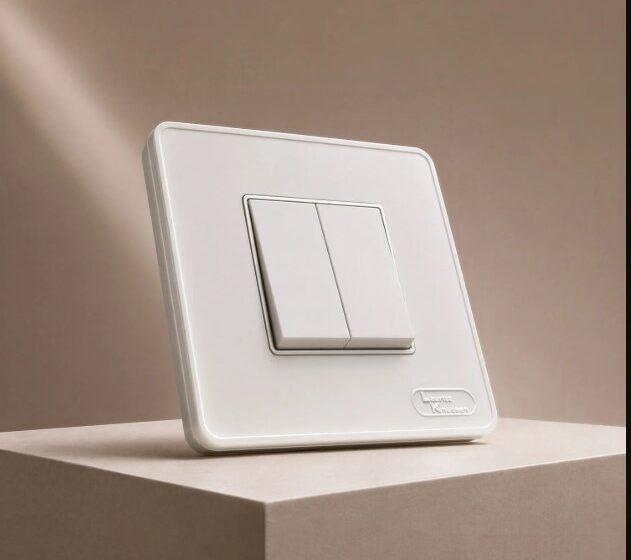

From a simple wall plate to a heavy-duty isolator, switches control how electricity flows through every building and plant. When supply sources need to be swapped safely, a changeover switch becomes equally important, linking mains and standby power without risk. Understanding the differences, ratings and correct usage helps prevent shocks, arcing and equipment damage. This article walks through the basics, key product types, typical applications and selection tips in simple language, so homeowners, electricians and facility teams can pick the right products and keep their installations safe, reliable and dependable.
Why the Right Switching Device Matters
A switching device must make and break current repeatedly without overheating or arcing. Poor choices cause loose contacts, burn marks and, in severe cases, fires. Quality products provide:
- Safe operation: Insulated housings and secure terminals protect users.
- Durability: Strong contacts handle thousands of operations.
- Clear indication: ON and OFF positions are easy to identify.
- Compatibility: Standard sizes fit common boards and panels.

Understanding the Basics
Types of Switches
Switches differ by duty and rating. The main categories are:
- Modular wall switches: For lights, fans and appliances in homes and offices
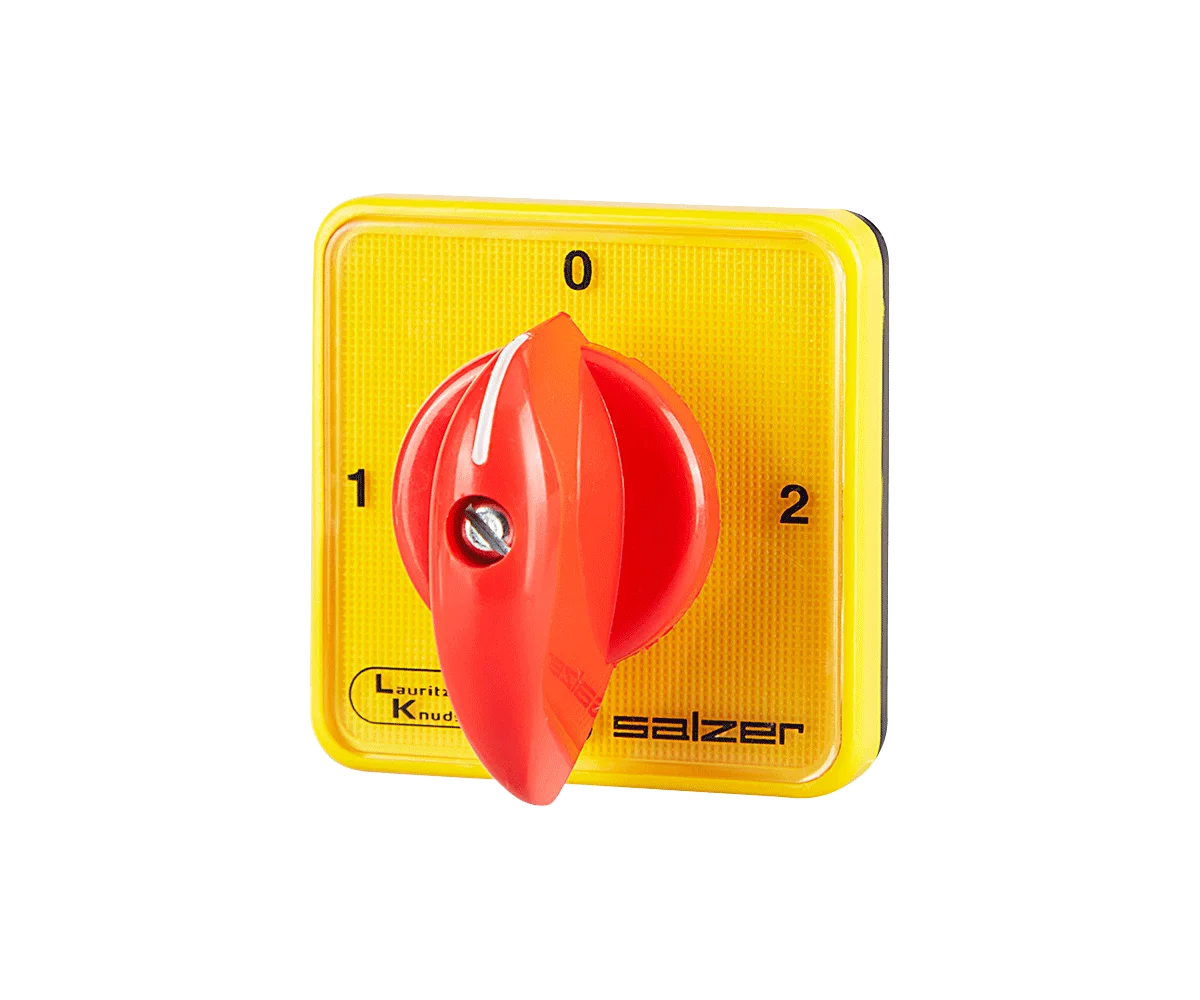
- Rotary isolators: For isolating machines during maintenance
- Switch disconnectors: For manual on-load switching and isolation in panels
- Push buttons and selectors: For control circuits
- Fuse switch units: Combine isolation with short-circuit protection
Each type is built to a rated current and voltage, and manufacturers specify the category of use so buyers know whether the device can handle motor or resistive loads.
What Is a Changeover Switch?
A changeover switch allows a load to be fed from one of two sources, such as the utility supply and a generator, but never both together. A mechanical interlock prevents the two sources from connecting at once, avoiding dangerous back-feeding into the grid. Manual versions are common for small installations, while automatic versions use control circuits to sense a power failure and transfer the load.
Typical configurations include:
- Two-position (source 1 / source 2)
- Three-position (source 1 / OFF / source 2)
- Two, three or four pole versions
How a Source Transfer Works
- Normal power supplies the load through the main source.
- A power cut occurs or the operator decides to change source.
- The handle is moved to the OFF or second position.
- Contacts disconnect the first source and connect the standby supply.
- When normal power returns, the process is reversed.
Applications
Homes and Small Businesses
- Switching between inverter and mains supply
- Generator backup for shops and clinics
- Lighting and fan control
Industry and Infrastructure
- Isolation of machines for safe maintenance
- Transfer between transformers and generators
- Standby supply for hospitals and data rooms
- Control panels and motor feeders
How to Choose the Right Product
- Current rating: Select a rating higher than the load current.
- Voltage and poles: Match the supply system.
- Utilisation category: Check suitability for resistive or motor loads.
- Short-circuit withstand: Ensure it is suitable for the fault level.
- Mounting style: Choose panel, DIN rail or enclosure mounting.
- Ingress protection: Use sealed versions for dust or water exposure.
- Quality marks: Prefer products tested to recognised standards.
Safety and Maintenance Tips
- Never operate under overload beyond the rating
- Keep terminals tight and cables correctly sized
- Check for burnt smell, noise or discolouration
- Test mechanical interlocks regularly
- Label sources clearly
- Switch off upstream supply before inspecting
Emerging Trends
Modern products feature finger-safe covers, lockable handles and compact designs that save panel space. Automatic transfer arrangements are being paired with remote monitoring, so users receive alerts when supply changes. Improved contact materials and flame-retardant plastics are further raising safety and service life across all categories.
Conclusion
Selecting the right product for each duty, with correct ratings and safe installation, keeps homes and workplaces protected, and regular checks ensure every operation remains smooth and fully dependable. Lauritz Knudsen Electrical & Automation, one of India’s largest and most trusted electrical brands, brings over 70 years of legacy and a 2.1 million sq. ft. manufacturing footprint to this mission. Serving residential, agricultural, commercial, infrastructural and industrial markets, the brand continues to power India and set new standards in the electrical industry, illuminating the path to a more electrified future.