




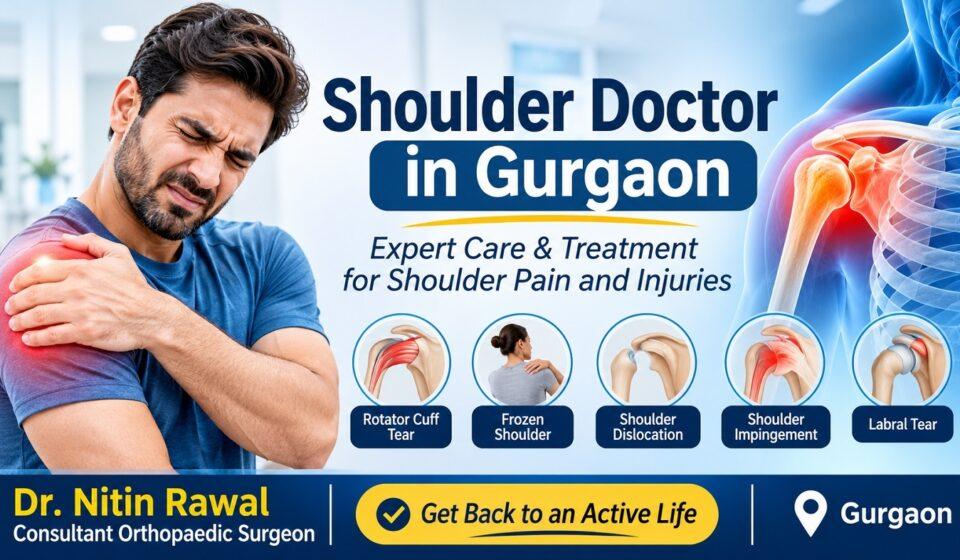

Shoulder pain can affect almost every aspect of daily life, from getting dressed and lifting objects to exercising, playing sports, and sleeping comfortably. Whether the pain develops gradually or occurs suddenly after an injury, finding the right medical guidance is important for effective treatment.
If you are searching for an experienced Shoulder Doctor in Gurgaon, consulting a qualified orthopaedic specialist can help identify the underlying cause and determine the most appropriate treatment.
At Advance Orthopaedic & Sports Centre (AOSC), Gurgaon, Dr. Nitin Rawal provides orthopaedic consultation and treatment for various shoulder conditions, including shoulder injuries, rotator cuff problems, frozen shoulder, and sports-related shoulder disorders.
Common Shoulder Problems That Require Medical Attention
The shoulder is one of the most flexible joints in the human body. It allows movement in multiple directions, but its complex structure also makes it vulnerable to injuries and other conditions.
Some common shoulder problems include:
-
Rotator Cuff Tear
The rotator cuff consists of muscles and tendons that help stabilise the shoulder joint and control arm movements. A tear may develop due to an injury, repetitive overhead activities, or age-related tendon degeneration.
Common symptoms include:
- Pain while lifting or rotating the arm.
- Weakness in the shoulder.
- Difficulty reaching overhead.
- Pain that becomes worse at night.
Treatment depends on the size of the tear, symptoms, functional limitations, and individual patient requirements.
-
Frozen Shoulder
Frozen shoulder, medically known as adhesive capsulitis, causes stiffness and pain in the shoulder joint. It can gradually restrict shoulder movement and make everyday activities difficult.
Patients may experience difficulty:
- Raising the arm above the head.
- Reaching behind the back.
- Putting on clothes.
- Sleeping on the affected side.
Treatment may include physiotherapy, pain management, and other medical interventions depending on the severity of the condition.
-
Shoulder Dislocation
Shoulder dislocation occurs when the upper arm bone moves out of its normal position in the shoulder socket. It commonly happens following a fall, accident, or sports injury.
Symptoms may include severe pain, swelling, visible changes in shoulder shape, and restricted movement.
A shoulder dislocation requires prompt medical evaluation. Repeated dislocations may sometimes require surgical treatment to improve joint stability.
-
Shoulder Impingement
Shoulder impingement occurs when structures around the shoulder become irritated during arm movements. It can cause pain while lifting the arm, particularly during overhead activities.
Early assessment and appropriate treatment can help manage symptoms and improve shoulder function.
-
Shoulder Labral Tear
The labrum is a ring of cartilage that surrounds the shoulder socket and helps provide joint stability. A labral tear can occur following a traumatic injury, repetitive shoulder movements, or shoulder instability.
Symptoms may include deep shoulder pain, clicking sensations, and reduced stability.
When Should You Consult a Shoulder Doctor in Gurgaon?
Not every episode of shoulder pain requires surgery, but persistent or worsening symptoms should not be ignored.
Consider consulting an orthopaedic specialist if you experience:
- Shoulder pain lasting several weeks.
- Difficulty lifting or rotating your arm.
- Persistent shoulder stiffness.
- Weakness during everyday activities.
- Repeated shoulder dislocations.
- Shoulder pain following a fall or sports injury.
- Pain that interferes with sleep.
Sudden severe pain, visible deformity, or an inability to move the arm after an injury requires urgent medical assessment.
Advanced Treatment Options for Shoulder Problems
Shoulder treatment depends on the diagnosis, severity of the condition, patient’s activity level, and overall health.
A shoulder specialist may recommend one or more of the following approaches.
-
Medication and Pain Management
Appropriate medications may help control pain and inflammation. The choice of medication depends on the patient’s medical history and clinical assessment.
-
Physiotherapy and Rehabilitation
Physiotherapy plays an important role in managing many shoulder conditions. A structured rehabilitation programme may include:
- Shoulder mobility exercises.
- Strengthening of supporting muscles.
- Flexibility exercises.
- Posture correction.
- Gradual return to daily activities.
-
Shoulder Arthroscopy
Shoulder arthroscopy is a minimally invasive surgical technique in which a small camera and specialised instruments are inserted through small incisions to examine and treat problems inside the shoulder joint.
It may be used for selected conditions such as:
- Rotator cuff tears.
- Shoulder labral injuries.
- Recurrent shoulder instability.
- Certain cases of shoulder impingement.
The suitability of arthroscopic surgery depends on the specific diagnosis and individual clinical findings.
-
Shoulder Replacement Surgery
Shoulder replacement Surgery may be considered in selected patients with severe joint damage, advanced arthritis, or certain complex shoulder conditions.
During the procedure, damaged joint surfaces are replaced with artificial components. The type of replacement depends on the patient’s condition, bone quality, and rotator cuff function.
Why Choose an Experienced Orthopaedic Shoulder Specialist?
Choosing the right specialist is an important step towards managing shoulder pain and restoring movement.
When selecting a shoulder doctor in Gurgaon, consider the following factors:
- Experience in treating shoulder injuries and joint conditions.
- Knowledge of arthroscopic shoulder procedures.
- Ability to assess different treatment options.
- Access to appropriate diagnostic facilities.
- Individualised rehabilitation planning.
- Clear communication about treatment benefits and limitations.
A proper diagnosis and personalised treatment plan can help patients make informed decisions about their shoulder health.
Meet Dr. Nitin Rawal at AOSC Gurgaon
Dr. Nitin Rawal, Consultant Orthopaedic Surgeon at Advance Orthopaedic & Sports Centre (AOSC), Gurgaon, provides consultation and treatment for a range of orthopaedic conditions, including shoulder pain, sports injuries, ligament problems, and joint disorders.
AOSC focuses on patient-centred orthopaedic care, appropriate diagnosis, and treatment planning based on individual needs.
Patients experiencing persistent shoulder pain, restricted movement, or sports-related shoulder injuries can seek an orthopaedic evaluation to understand their condition and available treatment options.
Frequently Asked Questions (FAQs)
-
Who is the best shoulder doctor in Gurgaon?
The right shoulder doctor depends on your condition and treatment requirements. Look for a qualified orthopaedic surgeon with experience in managing shoulder injuries, rotator cuff tears, shoulder instability, and arthroscopic procedures. Dr. Nitin Rawal at AOSC Gurgaon provides orthopaedic consultation and shoulder treatment.
-
What are the common causes of shoulder pain?
Common causes include rotator cuff injuries, frozen shoulder, shoulder impingement, arthritis, dislocations, and labral tears.
-
Can shoulder problems be treated without surgery?
Yes. Many shoulder conditions can be managed with medication, physiotherapy, activity modification, and other non-surgical treatments. Surgery is considered when clinically appropriate.
-
What is shoulder arthroscopy?
Shoulder arthroscopy is a minimally invasive surgical procedure that uses a small camera and specialised instruments to diagnose and treat certain shoulder joint conditions.
-
When is shoulder replacement surgery required?
Shoulder replacement may be recommended for selected patients with severe arthritis or extensive joint damage when other treatments do not provide sufficient relief.
Book an Orthopaedic Consultation in Gurgaon
Shoulder pain should not become a permanent obstacle to your daily activities. Timely diagnosis and appropriate treatment can help improve mobility, manage discomfort, and support a better quality of life.