



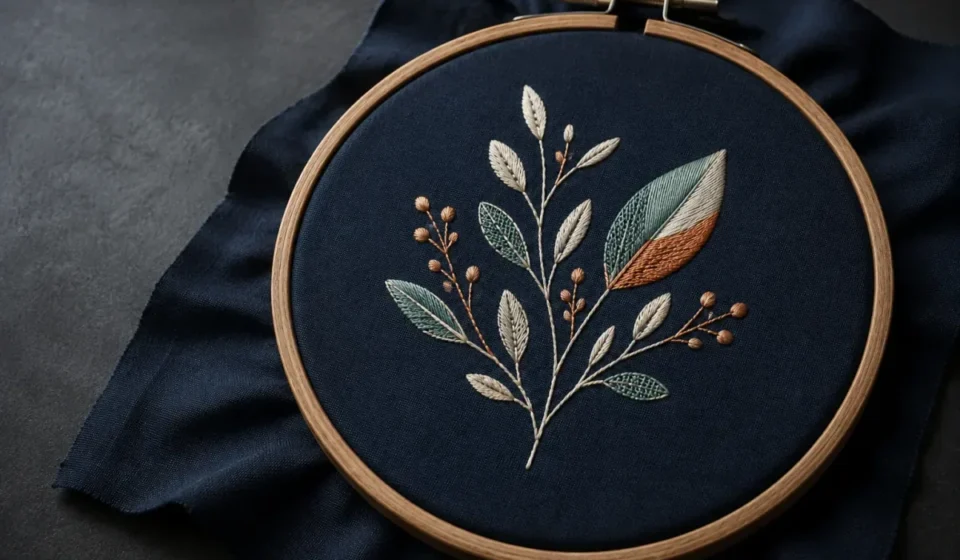

Embroidery is one of the most effective ways to give logos, designs, and promotional products a professional and long-lasting appearance. However, achieving clean and consistent embroidery requires more than an attractive design. Every graphic must be carefully converted into a digital stitch file that an embroidery machine can understand. This is where professional embroidery digitizing services become essential.
Embroidery digitizing transforms artwork, logos, text, and illustrations into machine-readable stitch files. The process involves selecting suitable stitch types, setting stitch directions, adjusting densities, and creating appropriate underlay structures. These technical decisions help ensure that the final embroidery looks neat, balanced, and professional on different fabrics.
Whether you are an apparel business, clothing manufacturer, embroidery shop, promotional product supplier, or individual customer, quality digitizing can make a significant difference in the final result.
What Are Embroidery Digitizing Services?
Embroidery digitizing services involve converting digital artwork into embroidery machine files using specialised digitizing software. Unlike ordinary image conversion, this process requires technical knowledge of embroidery techniques, fabric behaviour, stitch placement, and machine requirements.
A digitizer analyses the original design and determines how it should be reproduced using stitches. Different elements may require different stitch techniques depending on their size, shape, and position.
For example:
- Satin stitches are commonly used for lettering, borders, and narrow design elements.
- Fill stitches are suitable for larger areas and solid shapes.
- Running stitches work well for fine details, outlines, and lightweight designs.
- Underlay stitches provide a foundation that helps stabilise the fabric and improve stitch coverage.
Professional digitizing ensures that each part of the design is prepared with the right stitching approach.
Why Professional Embroidery Digitizing Matters
A poorly digitized design can create several problems during embroidery production. Common issues include thread breaks, excessive thread density, fabric puckering, uneven lettering, and distorted shapes.
Professional embroidery digitizing helps reduce these problems by preparing designs according to their actual stitching requirements.
1. Cleaner and More Accurate Designs
Professional digitizers pay attention to small details, outlines, curves, and lettering. This helps preserve the original appearance of the artwork while adapting it for embroidery.
2. Better Stitch Placement
Correct stitch direction and sequencing help create a balanced design. Proper planning also reduces unnecessary jumps and trims during machine operation.
3. Improved Fabric Stability
Different materials react differently to embroidery. Appropriate underlay, density, and pull compensation help minimise fabric distortion and improve the finished appearance.
4. Consistent Production Quality
Businesses producing embroidered uniforms, caps, jackets, and promotional products need reliable results. Properly prepared stitch files support repeatable embroidery across multiple items.
Types of Embroidery Digitizing Services
Different artwork and products require different digitizing techniques. Choosing the right approach helps achieve the best possible embroidery results.
Logo Embroidery Digitizing
Logo digitizing converts business logos, brand marks, and company artwork into machine-ready embroidery files. It requires careful attention to lettering, shapes, outlines, and stitch direction.
A professionally digitized logo can be used on corporate uniforms, polo shirts, caps, jackets, bags, and other branded products.
3D Puff Embroidery Digitizing
3D puff embroidery creates a raised effect by stitching over foam placed beneath the thread. It is especially popular for caps, sportswear, and streetwear designs.
This technique requires specialised digitizing, including appropriate stitch density, edge stitching, and foam coverage. Proper preparation helps create a clean raised appearance.
Cap and Hat Digitizing
Caps and hats have curved surfaces that make embroidery more challenging than flat garments. Professional cap digitizing considers fabric movement, centre-out stitching sequences, and design placement.
These adjustments help reduce distortion and improve the appearance of embroidered designs on structured and unstructured caps.
Jacket Back Embroidery Digitizing
Large jacket back designs often contain multiple elements, lettering, detailed illustrations, and complex shapes. They require careful planning to maintain proper stitch coverage without making the design unnecessarily heavy.
Professional digitizing helps balance stitch density, design size, and production efficiency.
Applique Embroidery Digitizing
Applique embroidery combines fabric pieces with decorative stitching to create attractive designs. It is commonly used for children’s clothing, sportswear, uniforms, and decorative garments.
The digitizing process includes placement stitches, tack-down stitches, and finishing stitches to secure the applique fabric.
Monogram and Lettering Digitizing
Monogramming and embroidered text require accurate letter shapes, spacing, and stitch selection. Small lettering needs particular attention because excessive density or unsuitable stitch settings can make text difficult to read.
How the Embroidery Digitizing Process Works
Creating a quality embroidery file involves several technical steps. Each stage contributes to the final stitching result.
Step 1: Artwork Evaluation
The original design is reviewed to understand its dimensions, colours, shapes, lettering, and level of detail. The digitizer also considers the intended fabric and embroidery application.
Step 2: Stitch Type Selection
Suitable stitch types are assigned to different parts of the artwork. Satin, fill, and running stitches are selected according to the design elements.
Step 3: Stitch Direction and Density
Stitch angles and density settings are adjusted to create appropriate coverage and visual texture. These settings must suit the design size and material.
Step 4: Underlay and Pull Compensation
Underlay provides a stable foundation for the main stitches. Pull compensation helps account for the natural movement of fabric during embroidery.
Step 5: Stitch Sequencing
The digitizer arranges the stitching order to improve production efficiency and reduce unnecessary thread changes, jumps, and trims.
Step 6: File Preparation and Quality Checking
The completed design is saved in the required machine format. Where possible, stitch simulations and sample sew-outs are reviewed to identify potential issues before production.
Common Embroidery Machine File Formats
Different embroidery machines support different file formats. Professional digitizing services can prepare designs according to the machine being used.
Some commonly used embroidery file formats include:
- DST: Widely used in commercial and industrial embroidery machines.
- PES: Commonly associated with Brother and Baby Lock embroidery machines.
- EXP: Used by several embroidery machine systems.
- JEF: Commonly used with Janome embroidery machines.
- VP3: Used by certain Pfaff and Husqvarna Viking machines.
- XXX: Associated with certain Singer embroidery systems.
Providing the correct file format is important for ensuring compatibility with your embroidery equipment.
What Makes a Good Embroidery Digitizing File?
A quality embroidery file is not simply a converted image. It is a carefully planned stitch design that considers both appearance and machine performance.
Important characteristics include:
- Appropriate stitch density for the selected fabric.
- Smooth outlines and clean curves.
- Correct underlay settings.
- Balanced stitch direction and angles.
- Proper pull compensation.
- Minimal unnecessary jumps and thread trims.
- Readable lettering and accurate design proportions.
- Efficient stitch sequencing.
These details help produce embroidery that looks professional while supporting smoother machine operation.
Choosing the Right Embroidery Digitizing Service
Selecting a reliable digitizing provider is important for businesses that depend on consistent embroidery quality.
Before choosing a provider, consider the following factors:
Experience and Technical Knowledge: Look for digitizers who understand different fabrics, stitch types, machine requirements, and embroidery techniques.
Design Accuracy: The finished stitch file should preserve the important details and overall appearance of your original artwork.
File Format Support: Make sure the provider can supply a format compatible with your embroidery machine.
Quality Control: Ask whether designs are reviewed through stitch simulation or sample sew-outs when appropriate.
Communication: A reliable service should understand your instructions, design requirements, and intended application.
Revision Support: The ability to make reasonable adjustments can help ensure the final file meets your expectations.
Who Needs Professional Embroidery Digitizing Services?
Professional digitizing is useful for a wide range of businesses and individuals, including:
- Custom embroidery businesses.
- Clothing and apparel manufacturers.
- Corporate uniform suppliers.
- Sportswear and teamwear brands.
- Promotional product companies.
- Fashion designers and clothing startups.
- Cap and hat manufacturers.
- Personal embroidery enthusiasts.
Whether you need a single logo digitized or multiple designs prepared for commercial production, a properly created embroidery file can improve the overall quality of your work.
Why Choose RiseDigitizing for Embroidery Digitizing?
RiseDigitizing provides embroidery digitizing solutions for businesses and individuals looking for professionally prepared machine embroidery files. From company logos and custom lettering to complex artwork and specialised embroidery techniques, each design requires attention to stitch structure, fabric requirements, and production needs.
The goal is to transform your artwork into a practical embroidery file while maintaining its important visual details. Careful consideration of stitch types, density, underlay, and sequencing helps prepare designs for reliable embroidery production.
Whether you are working on caps, jackets, uniforms, promotional products, or custom apparel, professional digitizing can help bring your creative ideas to life.
Frequently Asked Questions (FAQs)
1. What are embroidery digitizing services used for?
Embroidery digitizing services convert artwork, logos, text, and illustrations into machine-readable stitch files. These files allow embroidery machines to reproduce designs on garments, caps, bags, and other materials.
2. How long does embroidery digitizing take?
The turnaround time depends on the design’s complexity, size, and technical requirements. Simple logos may require less preparation, while detailed artwork and specialised designs can take longer.
3. Which file format is best for embroidery?
There is no single best format for every machine. DST, PES, EXP, JEF, and VP3 are commonly used formats. The correct choice depends on your embroidery machine and its supported file types.
4. Can any image be converted into an embroidery design?
Most artwork can be adapted for embroidery, but some images require simplification. Very small details, gradients, and complex colour transitions may need adjustments because embroidery uses physical stitches rather than printed pixels.
5. What is the difference between embroidery digitizing and vector conversion?
Vector conversion changes artwork into scalable paths and shapes, while embroidery digitizing converts artwork into machine-readable stitches. A vector file can be used as a starting point for digitizing, but it is not automatically ready for an embroidery machine.
6. Why does embroidery sometimes look different from the original artwork?
Embroidery uses thread, fabric, and physical stitch structures to reproduce a design. Fabric movement, stitch density, thread thickness, design size, and digitizing decisions can all affect the final appearance.
7. Is professional digitizing necessary for business logos?
Professional digitizing is recommended for business logos because accurate lettering, clean outlines, suitable stitch density, and consistent placement are important for maintaining brand presentation across different embroidered products.
Final Thoughts
Quality embroidery starts with a properly prepared stitch file. Professional embroidery digitizing services help transform artwork into machine-ready designs while considering stitch types, fabric behaviour, density, underlay, and production requirements.
Whether you need logo digitizing, cap embroidery, 3D puff designs, jacket back artwork, or custom lettering, choosing a well-prepared embroidery file can make a meaningful difference to the finished product.
RiseDigitizing helps businesses and individuals prepare their artwork for embroidery with attention to detail, stitch quality, and practical production requirements.