







Few clothing lines change how an entire scene dresses, yet minimalist basics have quietly reshaped contemporary streetwear. Many shoppers now see Essentials as the clearest example of this shift, because the line turned quiet colours, relaxed fits, and discreet logos into everyday standards. In this guide, you will learn where streetwear stood before the change. Next, you will explore five clear influences, from quiet branding to accessible pricing. Then you will see how other labels responded and where the trend carries risks. Finally, you will get practical advice for building a wardrobe that stays relevant when trends move on.
Where Streetwear Stood Before the Minimalist Wave
Before minimalist basics took over, streetwear leaned on loud graphics, oversized logos, and constant collaborations. Brands competed for attention, so garments often shouted instead of whispered. Moreover, comfortable clothing rarely looked polished enough for offices, campuses, or dinners. Consequently, many shoppers owned statement pieces they wore only occasionally. Then social media accelerated trend cycles, and buyers began craving calmer wardrobes that worked daily. When Essentials arrived with soft fleece and muted tones, it answered that demand directly. Therefore, the scene shifted from spectacle toward simplicity, and designers across the market started rethinking how much decoration a garment actually needs.
Quiet Branding Becomes the Standard
Quiet branding became the first major influence. Instead of covering a hoodie with giant lettering, the line used small, discreet logos and clean surfaces. As a result, wearers could signal taste without drawing attention. Furthermore, subtle details made outfits easier to mix, since nothing competed with other pieces. Many younger buyers now judge a brand by restraint, a standard that Essentials helped normalise. Meanwhile, larger labels noticed the change and toned down their own graphics. However, subtle branding still demands careful quality, because simple designs expose weak fabric and poor stitching immediately. Therefore, restraint works only when craftsmanship supports it.
Neutral Palettes Take Over
Neutral palettes took over wardrobes next. Cream, grey, black, and soft beige replaced bright colour blocks, because these shades match each other naturally. Moreover, a limited palette makes outfits look cohesive and slightly more expensive. Shoppers who build capsule wardrobes around Essentials often mention how easily every top matches every bottom. Additionally, muted tones photograph well, which suits social media culture. Consequently, many brands now release seasonal collections in earthy shades rather than loud colours. Meanwhile, buyers save money, since fewer mismatched purchases sit unused. Therefore, neutral colour planning has become a practical habit, not only a fashion choice.
Oversized Comfort Goes Mainstream
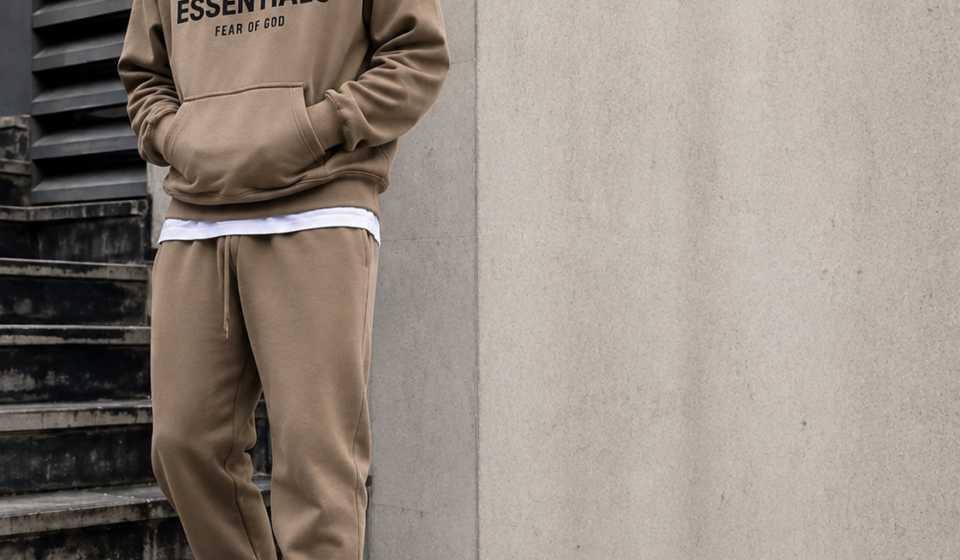
Oversized comfort moved from niche to mainstream through relaxed sweatshirts and sweatpants. Roomy shapes, dropped shoulders, and soft fleece let people move freely while still looking put together. Shoppers who want that cosy, structured look often explore Sweat Essentials in neutral tones. Furthermore, tapered sweatpants balance the volume of a loose top, so the silhouette stays sharp. Because the cut layers easily, one piece adapts to several outfits and seasons. Meanwhile, other brands now design loungewear meant for public life, not only for home. Therefore, comfort stopped being a compromise and became the centre of contemporary casual style.
Basic Tees Become Wardrobe Anchors
Basic tees also gained new importance. A well-cut tee now anchors outfits, layering neatly under hoodies and jackets or standing alone in warm weather. Buyers who want an accessible starting point often explore T Shirt Essentials in black, white, and grey. Furthermore, a roomy collar and clean hem make the shirt look modern with straight trousers and sneakers. Check the ribbing and shoulder seams before buying, since weak finishing shows quickly on a single layer. Additionally, wash gently in cold water to protect the fabric. Consequently, basics now receive design attention once reserved for statement pieces.
Accessible Pricing Widens the Audience
Accessible pricing opened the door for many first-time buyers. Instead of requiring a luxury budget, the line offered a calm aesthetic at a friendlier level, so students and commuters could join the conversation. Moreover, easier availability simplified sizing, returns, and repeat purchases. Many shoppers who started with Essentials later explored wider fashion, which expanded the whole market. However, popularity attracts counterfeit sellers, so buyers should check labels, stitching, and seller reviews carefully. Additionally, compare prices across trusted stores before ordering. Therefore, accessibility widened the audience, yet it also made careful shopping more important than ever.
How Other Brands Responded
Other brands responded quickly. Some launched their own affordable basics lines, while others simplified logos and adopted softer palettes. Moreover, retailers began promoting capsule wardrobes and layering guides, which reflected the new demand for versatility. Observers often cite Pull Essentials when explaining why minimalist loungewear now fills so many shelves. Meanwhile, designers experimented with heavier fabrics and longer silhouettes to stand out. However, imitation has limits, because audiences quickly notice copies that miss the original’s balance. Therefore, the most successful responses adapted the principles to their own identity instead of copying surface details, and they kept quality consistent.
The Limits and Risks of the Trend
Influence also brings risks. When many brands follow the same minimalist formula, collections begin to look alike, and shoppers struggle to tell them apart. Moreover, counterfeit sellers exploit popular designs with stolen photos, so buyers must verify sources. Even a well-known line like Sweat Essentials must keep quality high, or its reputation weakens. Additionally, fast trend cycles encourage overbuying, which wastes money and closet space. Therefore, shop with a plan: set a budget, read reviews, and choose pieces you will wear repeatedly. Sustainable influence needs substance, so buyers and brands should both value durability over hype.
Final Thoughts on Contemporary Streetwear
Minimalist basics influenced contemporary streetwear through quiet branding, neutral palettes, oversized comfort, upgraded tees, and accessible pricing. Together, these changes made casual clothing calmer, more versatile, and easier to wear every day. Start with one reliable piece, such as a sweatshirt or tee, and build your wardrobe slowly. Many shoppers keep returning to Essentials because the pieces match nearly everything and wash well when cared for properly. Above all, measure carefully, verify sellers, and prioritise quality over trends. With these habits, you can enjoy current style without chasing every new release, and your wardrobe will stay flexible for many seasons.