





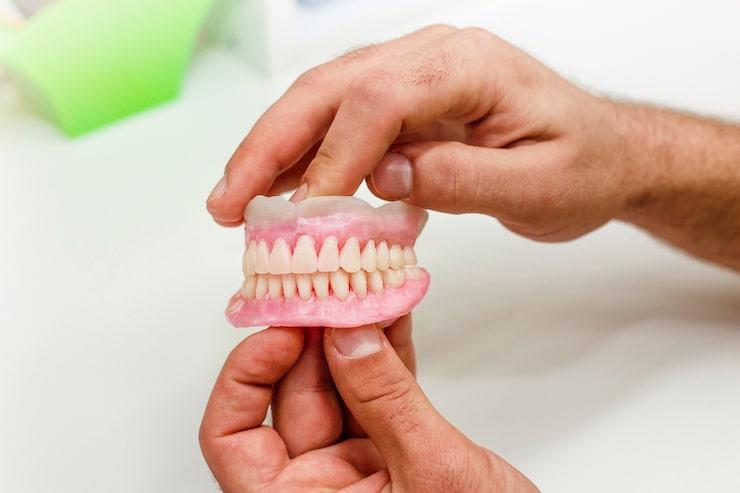

Several failing teeth don’t automatically mean you need to remove every tooth in your mouth. All-on-4 dental implants can be a good option when most teeth in an arch are beyond repair, but some people still have teeth worth saving. Making the right call means looking at the condition of each tooth, not just counting how many are causing trouble.
This is a decision worth taking seriously. Removing your remaining teeth is permanent, so before agreeing to full-arch implants, you should understand why your dentist recommends them and what alternatives are still on the table.
A Mouth Full of Problems Doesn’t Always Mean Every Tooth Has to Go
Imagine your back teeth are badly damaged, but several front teeth remain firm and relatively healthy. Replacing the entire arch might still be considered, but those front teeth deserve a proper assessment before anyone recommends removing them.
A tooth with a large filling, visible damage, or even an infection might still be treatable. Root canal treatment followed by a crown could save some teeth. Others might benefit from gum treatment, particularly when the supporting tissues haven’t suffered too much damage.
The American Academy of Periodontology explains why preserving natural teeth matters. Its guidance stresses the need to discuss available treatments, their risks, and their benefits before extracting teeth.
Of course, saving a tooth isn’t always sensible. A deep fracture, extensive decay below the gumline, or severe bone loss might leave little chance of a lasting result. The important part is knowing which situation applies to you.
When Saving a Tooth Makes Sense
A dentist needs to look at more than the visible part of a tooth. The roots, surrounding bone, gum health, and amount of healthy tooth structure all influence its chances of lasting.
Three things deserve particular attention:
- Can the tooth be repaired? A tooth with enough healthy structure left might support a crown after treatment. Extensive damage makes restoration harder.
- Is there enough support around it? Gum disease can weaken the bone holding teeth in place. Some affected teeth respond to treatment; others have lost too much support.
- Will the result last? A tooth that needs repeated treatment might not be worth saving if its long-term outlook remains poor.
Ask your dentist to explain the prognosis of each questionable tooth. You don’t need a lengthy discussion about every healthy tooth, but the ones marked for extraction should have a clear reason behind the recommendation.
What You Gain, and Give Up, With All-on-4
All-on-4 dental implants use four implants to support a fixed bridge that replaces an entire upper or lower arch. Rather than restoring each damaged tooth separately, the dentist replaces the arch with one connected set of artificial teeth.
This approach can make sense when numerous teeth are failing and individual repairs would offer a poor or short-lived result. It may also be appealing to someone struggling with chewing or repeatedly dealing with broken teeth.
There’s a trade-off, though. When a full arch is replaced, the remaining teeth in that arch are generally removed as part of the treatment. Once they’re gone, there’s no chance to reconsider later.
Implants need care, too. They don’t develop ordinary tooth decay, but the gums and bone around them can still become unhealthy. The bridge may also need repairs during its lifetime. Full-arch treatment replaces damaged teeth; it doesn’t remove the need for dental checkups and daily cleaning.
What About All-on-6 Dental Implants?
Some patients are recommended All-on-6 dental implants, which use six implants to support a full-arch bridge. The extra implants may be useful in certain treatment plans, but six isn’t automatically better than four.
Your jawbone, bite, available bone volume, and planned bridge all affect the decision. A dentist should explain why a particular setup suits your mouth rather than recommending more implants simply because the number sounds reassuring.
Keep the two decisions separate: first, establish which teeth genuinely need removal; then work out the most suitable way to replace them. The number of implants doesn’t answer the first question.
Don’t Compare the Prices Without Comparing the Plans
Saving several teeth could mean paying for root canals, crowns, and gum treatment. Full-arch implants involve their own costs, including extractions, surgery, temporary teeth, the final bridge, and long-term maintenance.
Ask for written treatment plans covering the likely procedures and future care. A lower initial price doesn’t always mean lower costs over time, but expensive implant treatment isn’t automatically the better investment.
There’s another practical point people sometimes overlook: preserving teeth may involve several separate appointments, while full-arch treatment brings surgery and recovery into the picture. Ask what each option will mean for eating, healing, follow-up visits, and your normal routine.
Before You Agree to Extraction
If you’re considering full-arch treatment in Burlington, MA, take your X-rays and treatment plan to a dentist experienced in tooth preservation and dental implants. A second opinion from a periodontist or restorative specialist can help when the recommendation involves removing several teeth and you’re unsure why they cannot be saved.
Ask three direct questions:
- Which teeth have a poor prognosis, and what makes them difficult to save?
- What would it take to treat the teeth that might still be restorable?
- Why would replacing the entire arch give me a better result than keeping those teeth?
A good consultation should leave you understanding the choices, not feeling pushed toward one procedure. The American Academy of Periodontology’s full-mouth implant guide offers additional background on implant-supported tooth replacement.
Make the Call With Your Eyes Open
You don’t need to save every tooth, and you don’t need to remove every tooth just because several have failed. All-on-4 dental implants are worth considering when extensive damage makes individual treatment unrealistic.
Before taking that step, make sure the proposed plan accounts for the teeth that are still healthy enough to keep. A clear, tooth-by-tooth explanation will help you decide what makes sense for your mouth, your budget, and your long-term dental health.