






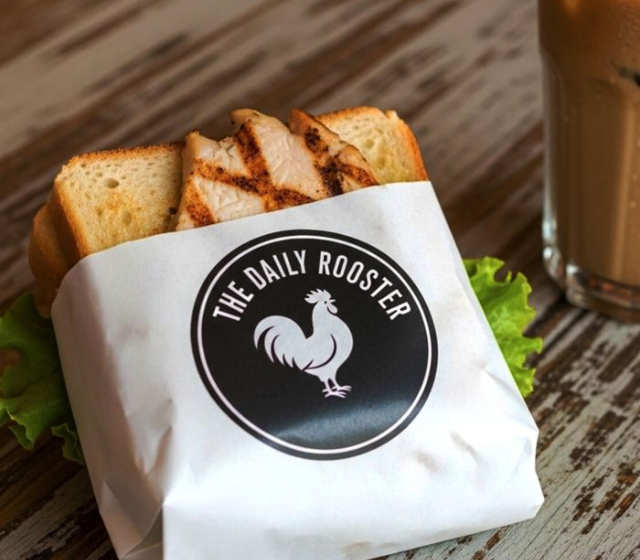

To maintain the freshness of fresh sandwiches, it is important to store them correctly during transport. By wrapping the sandwiches well you can reduce water loss within the sandwich and therefore prevent the bread from becoming soggy. The filling should be cooled down before wrapping. If the sandwiches are prepared in a clean manner then they will reach the customer in a much better condition. Choosing the correct wrapping and storage methods will help to maintain the texture and quality of the fillings and bread, on a standard delivery route. The following information provides some simple steps to improve the freshness of your sandwiches, without great effort.
How does proper wrapping actually protect the freshness of a sandwich?
Wrapping the sandwiches properly will help prevent excess moisture in the sandwiches. If moisture transfers from the filling to the bread, it can cause the bread to become soggy. Wrapping the sandwiches well will limit the transfer of moisture from the filling and keep the bread less soggy. It will also prevent the sauces from dripping off the sandwich in transport. To limit the exposure of the sandwich to air, the sandwiches should be wrapped immediately after preparation. If wrapped well, the surface area of the sandwich exposed to air will be limited. However, the wrapping should not be too tight as this can cause the bread to be crushed. In a busy delivery situation, simply wrapping the sandwiches can have a large effect.
Why does sandwich paper roll help during delivery?
A good wrapping method will keep the sandwich dry and free from outside dirt during delivery. A Custom sandwich wrapping paper is a useful format for the staff to wrap different sized sandwiches. It allows them to cut the required amount for each sandwich without using excessive quantities. The wrapping should cover all sides of the sandwich and allow for some extra room around the food. Loose wrapping will allow the moisture to escape whilst tight wrapping will squash the bread. A good cut also helps the staff to produce each order with minimal waste. The right kind of wrapping will keep the sandwich looking neat as it moves from the kitchen shelf to the customer.
How can wax paper provide better sandwich protection?
Wax coating can help to reduce the contact between food moisture and the outer surface of the wrapping during delivery. It’s particularly useful with sandwiches containing sauces or other moist fillings. A good wax coating will also reduce sticking where the bread comes into contact with the wrapping. You need to use a material which is suitable for direct food contact and use it correctly. Wax Papers Hub has a range of wrapping options that will suit a variety of food service requirements. The sandwiches should still be allowed to cool prior to wrapping as wrapping alone won’t overcome the problem of poor temperature control. Good preparation and good wrapping go hand in hand to protect the quality of the food.
Why does correct storage matter prior to sandwich delivery?
Sandwiches need to be stored properly after wrapping and prior to collection by the drivers. A cold store will obviously help to slow down any change in the texture of the bread and in the quality of the filling. Staff should avoid leaving prepared sandwiches up beside warm kitchen areas for any length of time. Wrapped sandwiches should be kept separate from any food that might leak or have a strong odour. A clean shelf will also reduce the amount of dirt that the sandwich will come into contact with during storage. Preparation times should be planned around the delivery times so as to minimise the length of time the sandwich will have to wait before it is collected. Good storage will obviously give the wrapped sandwich a much better chance of getting to the customer in good condition.
How can printed paper assist with food wrapping?
Businesses that are making a lot of sandwiches will need a constant supply of appropriate wrapping material. Buying wax-coated paper rolls for restaurants is one way of ensuring that you have your wrapping material ready for the regular demands of food service. The printed material can also be used to carry your business name without any change to the wrapping process itself. The right sizes should be selected to match the shapes and sizes of the sandwiches that are being made as this will help to minimise waste during the day. The stock should be stored in a clean, dry place until required. Good stock management will help your staff to not be in a position where they have to make a last minute decision on the wrapping at peak delivery times.
What role does sandwich size play in freshness?
Sandwich size will have an impact on the amount of wrapping each item will require during delivery. A large sandwich will require a lot of wrapping around all sides to stop the filling from coming into contact with the outside of the wrap. A small sandwich may not require as much and can end up being squashed if the staff wrap it too tightly. The wrapping should be sized to match the sandwich shape prior to cutting each piece. This will result in a neat wrap without the addition of any extra layers. Different fillings will also require different wrapping techniques. A dry filling will require far less moisture control than a filling which has sauce or fresh sliced ingredients.
How can businesses keep sandwich delivery more consistent?
Standard methods should be used to produce the sandwich in order to ensure quality. The same wrapping should be applied to the same size and type of sandwich. Records can be used to see how long sandwiches have been on the counter for. In the USA, looking at customer feedback can show what problems are common with freshness. If the bread is becoming soft, the moisture levels in the bread and the wrapping method should be checked. If the fillings are leaking, check the folding method and how much content within the sandwich. Small changes to the process can improve sandwich quality without increasing or decreasing the speed of the kitchen.