







Anyone living in Lahore, Karachi, Faisalabad or a small town near Mian Channu knows the routine. The municipal supply arrives for an hour or two, the electricity goes out, and the motor pump sits idle. A reliable storage tank in Pakistan is no longer a luxury. It is basic infrastructure for homes, farms, factories and commercial buildings.
In 2027, rising fuel costs, groundwater depletion and unpredictable supply make the choice of tank more important than ever. This guide covers the main types of Storage Tank in Pakistan, common sizes, realistic price ranges and practical buying advice from Alpine Industrial Con, so you can spend your money once and get it right.
Why Water and Fuel Storage Matters More Than Ever
Pakistan’s water table is falling in many cities, and supply schedules are irregular. Households with a decent overhead reservoir can run taps, washing machines and geysers without depending on the pump timing. Industries also need constant stock of water, diesel, chemicals or process liquids, because a stoppage can cost far more than the tank itself.
A well-chosen holding vessel gives you three things:
- Security of supply during load-shedding and pipeline breakdowns
- Cost control, since you can buy fuel or fill water when rates are favourable
- Safety and hygiene, because a sealed container protects contents from dust, insects and sunlight
Main Types of Storage Tanks Used in Pakistan
Plastic (Polyethylene) Tanks
These are the most common sight on Pakistani rooftops. Rotationally moulded polyethylene tanks are lightweight, rust-free and easy to install. Most good models have multiple layers, with a black inner layer that blocks sunlight and reduces algae growth.
They suit homes, shops, schools and small farms. The downside is that cheap, thin-walled units can crack under harsh summer heat or bulge when full, so wall thickness and UV protection matter.
Stainless Steel Tanks
If hygiene is your top priority, stainless steel is hard to beat. Food processing units, dairies, hospitals and pharmaceutical plants prefer grade 304 or 316 steel because it resists corrosion and keeps liquids uncontaminated. These tanks cost more upfront but can last decades with basic care.
Mild Steel and Galvanised Tanks
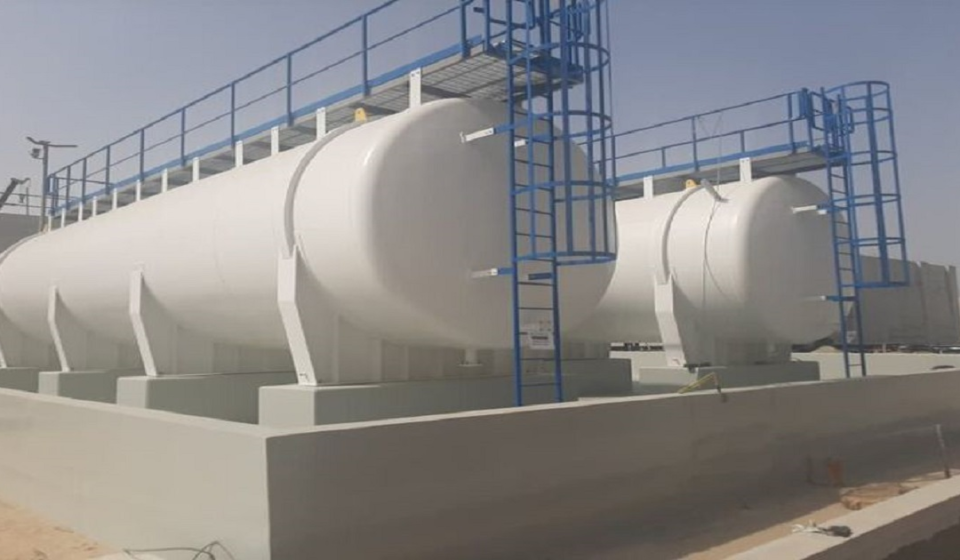
Fabricated from welded steel plate, these are the workhorses of industrial fuel and chemical storage. Diesel depots, petrol pumps, boiler houses and textile mills commonly use them. They can be built to almost any size, but they need protective coatings and regular inspection against rust.
RCC (Concrete) Underground Tanks
Underground water reservoirs made from reinforced concrete are popular for large housing societies, hospitals and apartment buildings. They stay cool, occupy no visible space and can hold tens of thousands of litres. They take longer to build and need proper waterproofing, but the long-term value is excellent.
FRP and Specialty Tanks
Fibreglass-reinforced plastic tanks handle corrosive chemicals, acids and wastewater. Fertiliser plants, tanneries and treatment facilities in Punjab and Sindh use them widely.
Storage Tank Prices in Pakistan in 2027
Prices change with raw material costs, the dollar rate and brand. The figures below are approximate market ranges, so confirm a current quotation before buying.
Plastic water tanks (approximate):
- 500 litres: PKR 10,000 to 15,000
- 1,000 litres: PKR 18,000 to 26,000
- 2,000 litres: PKR 38,000 to 55,000
- 5,000 litres: PKR 95,000 to 140,000
Stainless steel tanks: typically two to four times the cost of plastic for the same capacity, depending on steel grade and wall thickness.
Mild steel industrial tanks: priced by weight and fabrication complexity. A custom 10,000-litre diesel unit can run from several hundred thousand to over a million rupees.
RCC underground tanks: cost depends on size, soil conditions and labour. Expect a per-gallon or per-cubic-foot estimate from your contractor.
Remember that installation, stand construction, plumbing fittings, floats and cleaning access add to the total. Budget an extra 10 to 20 percent.
Choosing the Right Storage Tank in Pakistan: A Buyer’s Checklist
Before you commit, run through these questions.
1. What Will You Store?
Drinking water needs food-grade material. Diesel and petrol need steel with proper venting and grounding. Chemicals need compatible lining. Never assume one vessel suits every liquid.
2. Where Will It Sit?
Rooftop tanks must be supported by a solid base that can carry the full weight. Remember that 1,000 litres of water weighs a tonne. Underground installation requires drainage planning and protection from groundwater pressure.
3. What Climate Will It Face?
Summer rooftops in Punjab and Sindh can exceed 45°C. Look for UV-stabilised material, light-coloured exteriors or shade structures to keep water cooler and protect the shell.
4. How Easy Is Maintenance?
Check for a wide manhole lid, a bottom drain and a properly positioned overflow pipe. These small details make cleaning far less of a chore.
Real-World Examples
Example 1: A family home in Lahore. A household of six placed a 2,000-litre plastic tank on the roof and a 1,000-litre unit as a backup. During summer outages, they now get through the day without worrying about the motor.
Example 2: A poultry farm in Punjab. The owner installed a 10,000-litre elevated steel water vessel with gravity-fed lines. This reduced pump runtime and kept drinkers supplied even when power failed.
Example 3: A small factory in Faisalabad. A manufacturer added a 15,000-litre diesel holding unit for generator fuel. Bulk purchasing cut per-litre costs and prevented production halts.
How Alpine Industrial Con Can Help
Selecting a storage tank solution is easier with the right guidance. Alpine Industrial Con works with homeowners, contractors and industrial clients to match tank type, capacity and installation approach to real site conditions. Whether you need a simple rooftop reservoir or a custom-fabricated industrial vessel, a clear specification and honest advice save time, money and future repairs.
The right storage tank in Pakistan is the one that matches your liquid, your space, your climate and your budget, not necessarily the cheapest or the biggest. Plastic tanks serve most homes well, stainless steel protects hygiene-sensitive operations, mild steel handles fuel and industrial needs, and concrete suits large underground capacity.
FAQs
1. Which material is best for a home water tank?
Multi-layer polyethylene is the most practical choice for homes. It is affordable, light, rust-free and available in many sizes. Stainless steel is better if you want maximum longevity and hygiene and can afford the higher price.
2. How big a tank does my family need?
Estimate 150 to 200 litres per person per day and store one to two days’ worth. A family of six usually does well with 2,000 to 3,000 litres.
3. How often should I clean my water tank?
Every six months is a good standard. Clean more often if the water looks cloudy, smells unusual or if your area has hard water with heavy sediment.
4. Can plastic tanks be used for diesel or chemicals?
Standard water tanks should not be used for fuel. Diesel, petrol and many chemicals need purpose-built containers made of compatible steel or specialised materials. Always confirm compatibility with the supplier.
5. Why do tank prices keep changing?
Costs follow raw material rates, import duties, exchange rates and transport expenses. This is why it is wise to request a fresh quotation and compare suppliers before placing an order.