






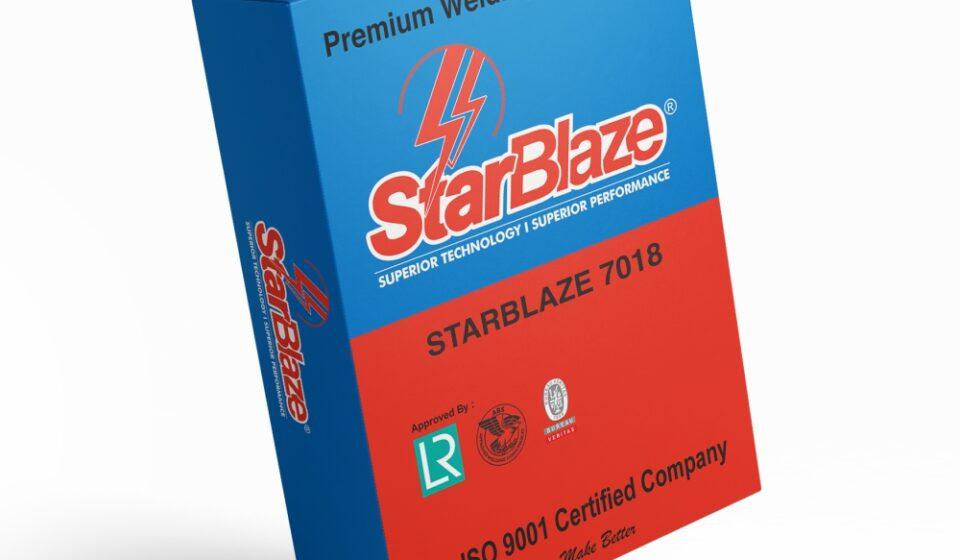

Welding plays an important role in modern construction, manufacturing, fabrication, and engineering industries. From structural steel projects to heavy industrial equipment, strong welded joints are essential for maintaining safety, durability, and long-term performance. Choosing the right welding electrode can make a significant difference in weld quality, productivity, and the reliability of finished structures. StarBlaze offers specialized welding consumables designed to meet different industrial requirements. The 7018 welding rod is a low-hydrogen, basic heavy-coated MMA electrode developed for producing strong, reliable, and crack-resistant welds on unalloyed and low-alloy steels.
Selecting a suitable electrode is important because every welding application has different material characteristics and performance requirements. Factors such as joint design, material thickness, welding position, operating conditions, and required mechanical properties should be considered before starting a project. StarBlaze 7018 is designed to support applications where dependable weld quality, good toughness, and consistent performance are important.
Understanding the Importance of Quality Welding Electrodes
Welding electrodes are essential consumables used in manual metal arc welding. They help create a strong connection between metal components by providing filler material and supporting the welding process. The quality and characteristics of an electrode influence arc stability, weld bead appearance, slag removal, and the mechanical properties of the finished joint.
Industrial projects often involve demanding working conditions where welding defects can lead to costly repairs and operational problems. Selecting an appropriate electrode helps professionals maintain better control over welding operations. The 7018 welding rod is widely selected for applications that require low-hydrogen characteristics and dependable weld performance.
Quality electrodes also help improve workshop productivity. Consistent arc characteristics and manageable slag removal can make welding operations more efficient. However, proper electrode selection, storage, and handling remain important for achieving the desired results.
Advanced Low-Hydrogen Electrode Characteristics
One of the important features of StarBlaze 7018 is its low-hydrogen formulation. Low-hydrogen electrodes are designed to minimize the amount of diffusible hydrogen introduced into the weld metal when used and handled correctly. This characteristic is particularly important when welding steels that may be susceptible to hydrogen-induced cracking.
Hydrogen-related cracking can occur under certain conditions involving susceptible materials, tensile stress, and the presence of hydrogen. Using an appropriate low-hydrogen electrode, following the recommended welding procedure, and maintaining suitable storage conditions can help manage this risk.
The 7018 welding rod features a basic heavy coating that supports reliable welding performance. Its formulation is intended to produce strong weld deposits with excellent mechanical properties. These characteristics make it a suitable option for professional welding applications where joint integrity and dependable performance are important.
Excellent Arc Stability for Consistent Welding
Arc stability is an important consideration when selecting welding consumables. A stable arc helps welders maintain control over the welding process and achieve a more consistent weld bead. It can also make electrode manipulation easier during different welding operations.
StarBlaze 7018 is designed to provide reliable arc characteristics and smooth welding performance. These features help professionals work efficiently while maintaining control over the molten weld pool. Consistent arc performance is particularly valuable in fabrication workshops and industrial environments where multiple joints must be completed to a required quality standard.
Good arc characteristics also contribute to a more manageable welding experience. Welders can concentrate on maintaining the correct travel speed, electrode angle, and welding technique. Following the recommended current settings and operating instructions is essential for obtaining the intended performance from the electrode.
Strong and Crack-Resistant Weld Joints
Joint strength is a major requirement in structural fabrication, construction, and heavy engineering. Welded connections must be capable of supporting the loads and operating conditions specified for the finished structure. For this reason, selecting suitable welding consumables is an important part of the fabrication process.
StarBlaze 7018 is developed to produce dependable, crack-resistant welds on unalloyed and low-alloy steels. Its low-hydrogen characteristics and mechanical properties support applications where reliable joints are required. The 7018 welding rod can be considered for projects involving structural components, industrial equipment, and heavy fabrication.
Achieving strong weld joints also depends on proper preparation and welding practices. Base materials should be cleaned appropriately, joint surfaces should be prepared according to the welding procedure, and suitable welding parameters should be maintained. Electrode quality works together with correct technique to produce reliable results.
Excellent Toughness in Low-Temperature Conditions
Toughness describes a material’s ability to absorb energy and resist fracture under particular loading conditions. It is an important property for welded structures that may experience impact loads, temperature variations, or demanding service environments.
StarBlaze 7018 is designed to provide excellent low-temperature toughness. This characteristic makes it relevant for industrial applications where the mechanical performance of welded joints is an important consideration. Selecting an electrode with suitable toughness properties helps professionals match the welding consumable to the requirements of the project.
The 7018 welding rod is therefore a practical choice for welding applications involving unalloyed and low-alloy steels where dependable mechanical properties are required. Users should always consult the product specifications and applicable welding standards to confirm suitability for a particular service temperature and application.
Smooth Weld Bead Appearance and Easy Slag Removal
The appearance and condition of a weld bead are important aspects of fabrication quality. A consistent weld profile can make inspection easier and contribute to the overall finish of fabricated components. Slag removal is another important part of the welding process because remaining slag can interfere with subsequent welding passes or surface inspection.
StarBlaze 7018 is designed to provide smooth weld beads and convenient slag removal. These characteristics can help reduce the effort involved in cleaning between passes and support efficient fabrication operations.
A good weld appearance still depends on correct technique. Maintaining appropriate travel speed, electrode angle, arc length, and current settings helps produce a consistent weld profile. Welders should also follow the recommended cleaning and inspection procedures to ensure that the finished joint meets the required quality standards.
Applications in Construction and Structural Fabrication
Construction and structural fabrication involve welding different steel components to create frames, supports, platforms, and other structures. These projects require suitable electrodes that can produce reliable joints while meeting the mechanical requirements of the design.
StarBlaze 7018 is suitable for welding unalloyed and low-alloy steels and can be considered for structural fabrication requirements. Its low-hydrogen characteristics, weld strength, and toughness make it relevant for demanding engineering work.
The 7018 welding rod can support professional welding operations involving structural steel components, fabrication assemblies, and industrial construction projects. The exact electrode selection should be based on the base material, design requirements, welding position, and applicable project specifications.
Use in Heavy Engineering and Industrial Manufacturing
Heavy engineering and manufacturing industries frequently work with metal components that require reliable welded connections. Equipment frames, fabricated assemblies, industrial supports, and other steel structures may involve multiple welding operations.
In these environments, weld quality is important for maintaining equipment performance and structural reliability. Choosing suitable consumables can help improve consistency throughout the fabrication process. StarBlaze 7018 offers characteristics that support professional welding requirements, including stable arc performance, low-hydrogen properties, and dependable weld quality.
Industrial users should evaluate electrode specifications before selecting a product for production. Factors such as steel composition, thickness, joint preparation, welding procedure, and required mechanical properties should be considered. Proper inspection and quality control also help ensure that completed welds meet the intended requirements.
Importance of Proper Electrode Storage and Handling
Proper storage and handling are essential for maintaining the performance of low-hydrogen welding electrodes. Exposure to moisture can affect electrode coating condition and increase the possibility of hydrogen entering the weld metal. This is why storage practices should follow the manufacturer’s recommendations.
Electrodes should be kept in suitable conditions and protected from unnecessary moisture exposure. Packaging should be handled carefully, and opened packs should be managed according to the recommended storage procedure. Where electrode baking or holding ovens are required, users should follow the specified temperature and time instructions rather than relying on general assumptions.
The 7018 welding rod should be used in accordance with the product’s storage, handling, and operating guidelines. These practices help maintain electrode condition and support consistent welding performance.
Selecting the Right Electrode for Your Welding Project
Choosing a welding electrode requires more than simply matching its size to the metal being welded. Professionals should consider the mechanical properties of the base material, the required strength of the joint, welding position, operating environment, and applicable fabrication standards.
It is also important to review the manufacturer’s product information before purchasing. Electrode diameter, recommended current range, polarity, packaging, and storage requirements can influence the suitability of a product for a particular task.
For projects involving unalloyed and low-alloy steels, StarBlaze 7018 provides a low-hydrogen electrode option designed for reliable welding performance. Comparing the product’s specifications with the welding procedure helps users make an informed selection.
Improving Welding Productivity Through Good Practices
Productivity in welding depends on several factors, including consumable quality, operator experience, equipment condition, and workplace organization. Using suitable electrodes can support smooth operations, but good welding practices are equally important.
Before welding, professionals should inspect the equipment, check the condition of the electrode, and prepare the joint properly. Maintaining appropriate current settings and following the recommended welding sequence can help reduce unnecessary defects and rework.
Regular inspection of completed welds is also important. Visual examination and any additional testing required by the project specification can help verify weld quality. Combining appropriate consumables with disciplined welding procedures supports consistent fabrication results.
Why Choose StarBlaze Welding Consumables?
StarBlaze offers welding consumables for different industrial applications, helping fabrication professionals select products according to their project requirements. Its 7018 electrode is designed for applications involving unalloyed and low-alloy steels where low-hydrogen characteristics, good toughness, and crack-resistant welds are important.
The 7018 welding rod is a useful option for professionals seeking reliable performance in structural fabrication, engineering, and industrial welding. Its characteristics support smooth welding operations and dependable joint quality when the electrode is selected, stored, and used correctly.
For businesses involved in construction, manufacturing, maintenance, and heavy fabrication, choosing suitable welding consumables is an important step toward achieving consistent results. Reviewing product specifications and following recommended welding procedures can help users get the best performance from their selected electrodes.
Conclusion
Reliable welding begins with choosing the right consumables and following proper welding practices. StarBlaze 7018 combines low-hydrogen characteristics, stable arc performance, excellent toughness, and crack-resistant weld properties to support demanding industrial applications. It is designed for welding unalloyed and low-alloy steels across structural fabrication, construction, and engineering projects.
Professionals looking for a dependable 7018 welding rod can explore the StarBlaze product range and review the available specifications to identify the right option for their requirements. With suitable electrode selection, proper storage, and correct welding techniques, businesses can support strong joints, consistent weld quality, and efficient industrial fabrication operations.