






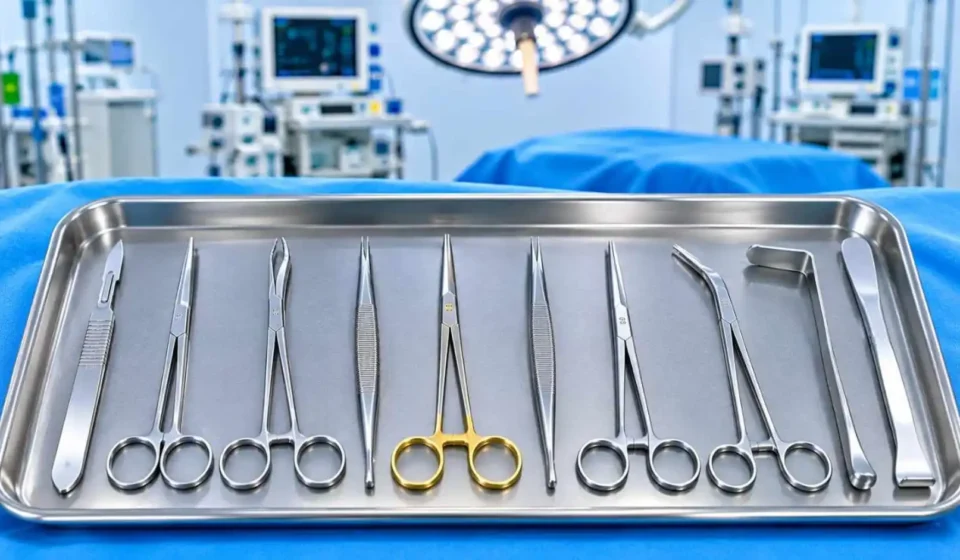

Managing surgical instruments involves more than purchasing products and storing them properly. Hospitals, clinics and medical distributors also need reliable ways to identify products, maintain records and track inventory. Without accurate information, routine purchasing activities can become complicated, especially when several instruments have similar names, designs or specifications.
As healthcare facilities expand their surgical departments, maintaining organised product records becomes increasingly important. It helps procurement teams verify deliveries, identify the correct products and arrange replacements when required. Traceability is therefore an important part of inventory management and supplier coordination.
Understanding Surgical Instrument Traceability
Surgical instrument traceability refers to the ability to identify a product and access relevant information about its origin, specifications and purchasing history. Depending on the product and applicable requirements, records may include the manufacturer’s name, product reference, description, material details, batch or lot information where available, purchase date and supplier details.
These records help hospitals distinguish between similar-looking instruments and confirm whether a delivered product matches the original order. For example, two forceps may appear similar but differ in length, tip configuration or intended application. Maintaining accurate product references makes it easier to identify the correct variation during future purchases.
Why Accurate Product Identification Matters
Hospitals often maintain extensive inventories covering general surgery, orthopaedics, cardiac surgery, ENT, ophthalmology and other specialties. Each department may require different instrument types, sizes and variations. Managing these products without a consistent identification system can create unnecessary complications.
For instance, a procurement team may receive a request for an instrument that is already available in the hospital but listed under a different description. Similarly, an order may contain an incorrect variation because the product reference was not checked properly.
When purchasing surgical instruments, healthcare buyers should maintain detailed product descriptions rather than relying only on general instrument names. Product dimensions, model references and intended applications can help distinguish between variations and simplify stock verification.
How Manufacturers Contribute to Product Traceability
Manufacturers play an important role in providing consistent product information. Clear catalogues, product references, specifications and relevant documentation help buyers understand exactly what they are ordering.
Manufacturing records may also support product and batch identification, depending on the manufacturer’s processes and applicable requirements. Buyers should ask what information is available and whether it can be supplied with the order.
When evaluating surgical instruments manufacturers, hospitals and distributors should consider how products are identified, how variations are distinguished and what documentation accompanies deliveries.
Manufacturers should also communicate changes in product specifications clearly. If a particular model is modified or replaced, buyers need sufficient information to understand the difference before confirming another purchase.
The Role of Suppliers, Dealers and Wholesalers
Many healthcare facilities do not purchase every product directly from manufacturers. They may work with suppliers, dealers and wholesalers to source instruments, manage bulk orders and coordinate deliveries.
These distribution partners help maintain communication between manufacturers and end users. However, product information must remain consistent throughout this process.
A supplier should provide clear product descriptions, references and relevant documentation. If an instrument is substituted because the original model is unavailable, the buyer should be informed about the proposed replacement before accepting it.
For distributors handling multiple brands and product categories, organised records also make it easier to respond to customer enquiries, check previous orders and identify the correct product for repeat purchases.
Digital Records and Inventory Management
Digital inventory systems can make instrument tracking easier, especially for hospitals managing a large number of products across several departments.
A structured inventory record can include the product name, reference number, manufacturer, supplier, quantity, purchase date and storage location. Where applicable, batch or lot information can also be maintained. These details help purchasing teams understand what is available and identify products that may need replenishment.
Digital records can support coordination between procurement, stores and clinical departments. For example, when a department requests an additional instrument, staff can check existing stock and previous purchasing records before placing a new order.
However, a digital system is useful only when information is accurate and updated regularly. Incorrect descriptions, duplicate entries or missing references can create the same problems as poorly maintained paper records.
Traceability During Repeat Orders and Replacements
Repeat purchasing is common in hospitals and medical distribution businesses. Instruments may need replacement because of wear, damage, loss or changes in departmental requirements.
Without proper product references, buyers may accidentally order a different model or specification. Maintaining previous purchase records helps procurement teams communicate exact requirements to manufacturers and suppliers.
Before placing a repeat order, buyers should compare the new quotation with the original product description, approved specifications and relevant documentation. If the product has changed, the difference should be clarified before confirming the order.
This approach is also useful for distributors supplying multiple customers. Accurate records make it easier to identify previously supplied models and respond to requests for the same product.
Documentation and Product Acceptance
Traceability should continue after products reach the healthcare facility. Receiving teams should compare delivered items with the purchase order and verify product descriptions, quantities and available documentation.
Any differences between the ordered and delivered products should be recorded and communicated to the supplier. This helps prevent incorrect products from being added to inventory without proper verification.
For reusable instruments, hospitals should also maintain appropriate inspection and maintenance records according to their internal procedures. Cleaning, disinfection, sterilization and storage must follow the manufacturer’s instructions and applicable healthcare protocols.
Choosing the Right Manufacturing Partner
A suitable manufacturing partner should communicate product specifications, identification details and order documentation clearly. Buyers should be comfortable asking questions when descriptions or references are incomplete.
When comparing surgical instruments manufacturers, buyers should review product information, specification consistency, communication practices and the ability to support repeat purchasing requirements.
Surgifact, associated with Vaishanav Surgical Co., offers instruments across multiple surgical specialties. Healthcare facilities, distributors and medical businesses can explore its product range and discuss their specific requirements before placing orders.
Making Traceability Part of Everyday Operations
Surgical instrument traceability is not simply a record-keeping exercise. It supports product identification, inventory management, supplier communication and organised purchasing. Accurate references and updated records help healthcare organisations understand what they own, what they have ordered and what may need replacement.
By maintaining consistent product descriptions, reviewing order documentation and coordinating with manufacturers and suppliers, hospitals can make their purchasing processes more systematic.
For distributors and wholesalers, the same approach can improve product identification and customer communication. Making traceability part of everyday operations helps create a more organised approach to managing instrument inventories and future procurement requirements.