






Industrial cutting work requires accuracy, speed, and reliable equipment. Whether a workshop handles metal fabrication, construction materials, or machine maintenance, selecting the right cutting accessory directly affects daily productivity.
A poor choice can cause uneven cuts, excessive material waste, and frequent wheel replacements. It can also create serious safety risks when the accessory does not match the machine or workpiece. For workshop owners and industrial buyers, understanding wheel specifications is more useful than simply comparing prices. This guide explains the important factors to check before making a purchase.
Understand the Material Before Selecting a Wheel
Different materials require different abrasive properties. A wheel designed for stone may not deliver suitable results when cutting stainless steel. Similarly, an accessory intended for metal may perform poorly on ceramics. Before purchasing, identify the material, its thickness, and the required cutting finish.
Professional Cutting Wheel Manufacturers offer different abrasive compositions for specific applications. Common materials include aluminium oxide for many steel-cutting tasks and silicon carbide for selected non-ferrous and mineral applications.
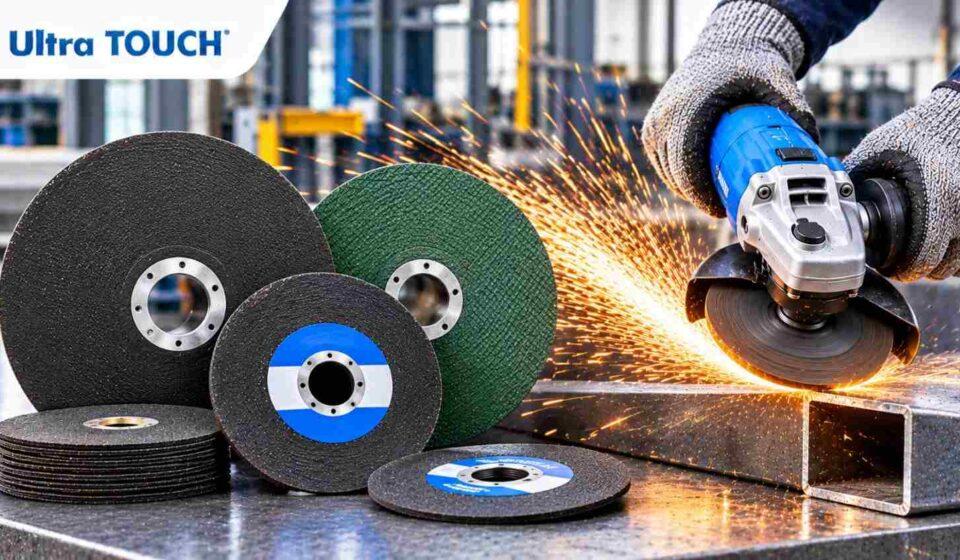
For example, the Ultra Touch cutting wheel range includes specifications for silicon carbide abrasives, reinforced construction, and multiple wheel dimensions. Always confirm the approved application for the exact product model rather than assuming every disc can cut all materials.
Check Wheel Diameter and Thickness
Wheel dimensions determine whether an accessory fits the machine and suits the cutting task. Smaller diameters generally suit compact handheld tools, while larger wheels are common in compatible stationary cut-off machines.
Thickness also matters. Thin wheels can reduce the amount of material removed during a cut. Thicker versions may offer different durability and handling characteristics, depending on their design. Reliable Cutting Wheel Suppliers should provide clear information about diameter, thickness, bore size, and approved operating speed. Buyers should compare these details with the equipment manual before placing an order.
Never install an oversized wheel, remove a safety guard, or modify the mounting hole to make an unsuitable accessory fit.
Match the Wheel with the Machine
Machine compatibility is essential for cutting performance and operator protection. Every abrasive disc has a maximum permitted operating speed. The machine’s spindle speed must not exceed that limit.
The mounting arrangement also needs attention. An incorrect bore size or damaged flange can prevent proper installation. Workshops using handheld equipment should check their angle grinder specifications before choosing compatible cutting accessories.
These checks become especially important when businesses operate machines from different brands or use several tool sizes.
Evaluate Product Quality Before Bulk Purchase
Industrial buyers often compare products based on purchase cost alone. However, the cheapest option may not offer the lowest operating cost. Inconsistent cutting performance can increase replacement frequency, material wastage, and downtime.
Experienced Cutting Wheel Dealers should help buyers examine product markings, packaging condition, material compatibility, and available technical documentation.
Look for the following quality indicators:
- Clear manufacturer and product identification.
- Correct size and maximum speed markings.
- Appropriate reinforcement and bonding construction.
- Relevant safety instructions and applicable standards.
- Consistent product specifications across supplied batches.
Request a sample batch when evaluating a new product for regular industrial use. A controlled trial can help compare performance under normal working conditions.
Consider the Complete Cutting and Finishing Process
Cutting is often only the first stage of metal fabrication. After separating metal sections, workers may need to remove burrs, prepare weld joints, or smooth rough surfaces.
These tasks require suitable finishing accessories rather than using a cut-off disc for side grinding. For heavier material removal, workshops can explore the grinding wheel range and select a product rated for the relevant machine and application.
Keep dedicated cutting and grinding accessories available at each workstation. This reduces the temptation to use an unsuitable disc. A clear tool-selection process also makes operator training easier and helps maintain consistent finishing standards.
Plan Inventory for Continuous Production
Workshops that consume abrasive accessories daily need dependable stock management. Unexpected shortages can interrupt production schedules, especially when several machines use the same wheel dimensions.
Established Cutting Wheel Wholesalers can support bulk purchasing, but buyers should assess more than available quantity.
Review packaging quality, batch identification, delivery schedules, and procedures for handling damaged stock. Maintain separate inventory records for different sizes and material applications.
Store wheels in suitable dry conditions according to manufacturer instructions. Protect them from impacts, moisture, chemicals, and extreme temperature changes. Rotate stock using the manufacturer’s stated shelf-life or expiry requirements where applicable. These simple practices help prevent unsuitable products from reaching the production floor.
Follow Safe Cutting Practices
Even a correctly selected wheel can become dangerous when operators use improper techniques. Inspect every disc before installation. Reject products that show cracks, deformation, moisture damage, or other visible defects. Use the correct machine guard and recommended personal protective equipment. Secure the workpiece before starting.
Allow the machine to reach operating speed and maintain a straight cutting path. Avoid twisting the wheel or applying sideways pressure. Workers should also understand the difference between cutting and finishing operations.
For surface blending and deburring, suitable flap wheel products provide an alternative designed for those tasks. Never use a thin cut-off wheel for grinding.
Choose a Reliable Manufacturing and Supply Partner
Product consistency matters when a business depends on repeated cutting operations. When comparing Cutting Wheel Manufacturers in India, industrial buyers should request accurate technical specifications, application guidance, and details about product availability.
Ask whether the supplier can provide suitable sizes for existing machines and maintain consistent specifications across repeat orders. At Ultra Touch, buyers can explore abrasive cutting products for industrial and professional applications. The product range includes different dimensions intended for compatible cutting equipment. Discuss the exact workpiece material, machine model, and operating requirements before confirming an order.
Conclusion
Selecting the right abrasive cutting accessory requires careful attention to material compatibility, wheel dimensions, operating speed, and product quality. Industrial workshops should also consider safety, inventory planning, and the total cost of repeated use.
A structured buying process helps businesses reduce avoidable mistakes and maintain smoother production operations. Contact Ultra Touch Now to discuss your industrial cutting requirements, explore available product specifications, and request details for workshop or bulk purchasing.
Frequently Asked Questions
1. How do I select the correct wheel thickness?
Choose thickness according to the material, cutting requirements, machine compatibility, and manufacturer’s recommendations. Never select thickness based on cutting speed alone.
2. Can one abrasive disc cut every material?
No. Different materials require suitable abrasive compositions and wheel designs. Always check the approved applications marked by the manufacturer.
3. Why do cutting wheels wear out quickly?
Rapid wear may result from incorrect material selection, excessive pressure, unsuitable operating conditions, or poor cutting technique.
4. What should industrial buyers check before bulk ordering?
Verify wheel dimensions, machine compatibility, maximum operating speed, technical documentation, packaging, batch consistency, and supplier support.