







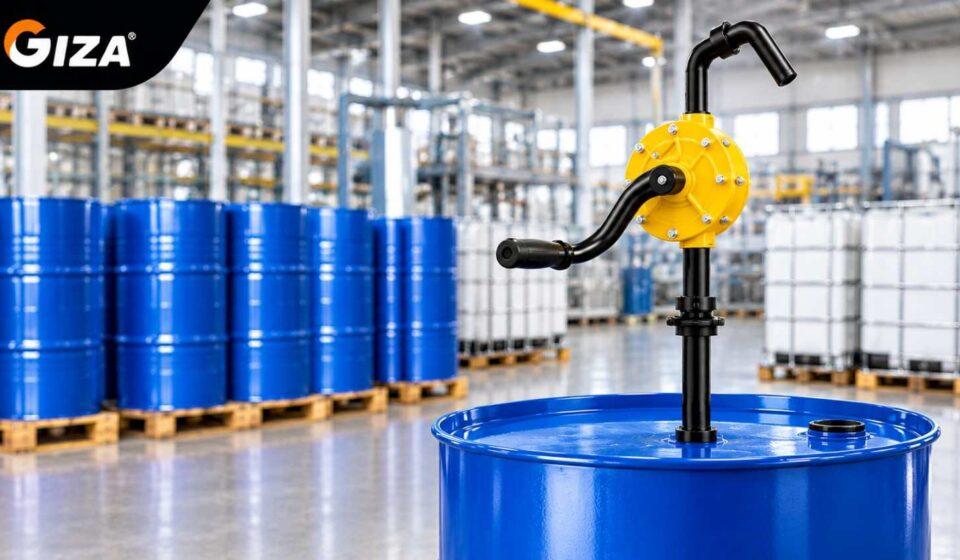

A leaking drum connection can turn a routine oil transfer into a costly maintenance problem. The wrong Rotary Barrel Pump makes matters worse, particularly when handling thick lubricants, aggressive chemicals or expensive industrial fluids. In manufacturing plants, workshops and chemical facilities, controlled liquid transfer directly affects material wastage, workplace safety and operating costs.
For procurement teams, the challenge is not simply purchasing a pump. It’s matching its construction, operating mechanism and chemical resistance to the actual fluid. A cheaper pump with incompatible seals can become the most expensive equipment on the shop floor.
Rotary Barrel Pump Specifications That Determine Industrial Suitability
A Rotary barrel pump transfers liquids from drums or barrels using a rotating pumping mechanism. Depending on the design, operators can dispense fluids manually or choose powered alternatives for demanding transfer requirements.
Material Selection for Oil and Chemical Transfer
Giza Pumps lists four major construction-material categories:
- Stainless Steel (SS 304/SS 316): Used for compatible oils, lubricants and chemicals where corrosion resistance matters.
- Cast Iron: Suited to heavy-duty mechanical applications involving compatible petroleum-based fluids.
- Polypropylene (PP): A lightweight option for selected acids, alkalis and chemical solutions.
- PVDF: Intended for demanding chemical-handling applications requiring higher corrosion resistance.
Material selection alone is insufficient. The shaft, internal seals, suction tube and gaskets must also withstand the liquid.
Viscosity, Drum Fittings and Pump Operation
A pump suitable for diesel may struggle with heavy gear oil. Higher viscosity increases operating resistance, and colder temperatures can make dispensing more difficult.
Buyers should confirm the viscosity range, suction-tube length, bung connection, expected flow and operating temperature. A 2-inch drum opening is common across industrial pump designs, but fitting compatibility must be verified for the selected model.
The overlooked detail: Seal compatibility often determines whether a pump survives repeated chemical exposure.
Five Supplier Checks That Prevent Expensive Purchasing Mistakes
Before selecting Rotary Barrel Pump Manufacturers, purchasing teams should assess five practical criteria.
- Fluid compatibility: Request written confirmation covering the exact chemical and concentration. A bad supplier says, “It works with most chemicals,” without reviewing the safety data sheet.
- Construction specifications: Ask for wetted-part and seal materials. A poor answer is simply “stainless steel” without identifying SS 304, SS 316 or the actual seal grade.
- Operating performance: Confirm expected flow, viscosity limits and usage frequency. Avoid suppliers who advertise maximum output without specifying test conditions.
- Inspection and warranty: Request applicable test records, warranty exclusions and replacement-part availability. “We’ll discuss defects later” is not a dependable after-sales policy.
- Delivery and bulk consistency: Verify dispatch schedules, packaging and model identification. A supplier who cannot confirm the configuration of repeat orders creates avoidable procurement risk.
The hardest part is often not comparing prices. It is getting different suppliers to quote genuinely comparable specifications.
Rotary Barrel Pump Benefits Across Oil, Lubricant and Chemical Operations
The strongest operational benefits appear where uncontrolled dispensing creates measurable losses.
1. Controlled Industrial Oil Dispensing
A suitable rotary pump helps operators transfer hydraulic oil, machine oil and other compatible petroleum fluids without tipping heavy drums. This reduces handling-related spillage and protects purchased stock.
2. More Predictable Lubricant Handling
In automotive workshops, maintenance departments and machinery service facilities, controlled dispensing makes lubricant replenishment more manageable. Less overfilling means lower material wastage.
3. Safer Chemical Transfer
Chemical-compatible models reduce reliance on open pouring. However, a pump does not eliminate chemical hazards; operators still need appropriate PPE, ventilation and spill controls.
4. Reduced Cross-Contamination
Dedicated pumps for different fluids help limit mixing between oils, solvents and chemicals. This matters when contaminated material could lead to rejected batches or equipment damage.
5. Lower Manual Handling Burden
Hand-operated pumps can serve locations without electrical connections. They also reduce the need to lift and tilt drums, although operator effort depends on viscosity and transfer volume.
6. Better Control Over Maintenance Costs
Replaceable components and appropriate construction materials can reduce premature failures. Buyers protect their margins by checking spare-part costs before awarding bulk orders.
Rotary Barrel Pump Availability and Industrial Supply Across India
India’s manufacturing clusters have different fluid-handling requirements. Automotive workshops in Pune and Chennai commonly need oil and lubricant dispensing equipment, while chemical-processing businesses in Gujarat require particular attention to material compatibility. Giza Pumps operates from Shapar, Rajkot, Gujarat, and markets its products for nationwide industrial supply.
For buyers comparing Rotary Barrel Pump Suppliers in India, geographical proximity is only one consideration. Freight arrangements, replacement-part availability and realistic dispatch commitments also influence purchasing decisions.
Meanwhile, Rotary Barrel Pump Wholesalers handling repeat orders should confirm model consistency before accepting large consignments. A low purchase price means little when an urgent replacement requires another procurement cycle.
Giza Pumps: Our Approach to Industrial Fluid-Handling Requirements
At Giza Pumps, operating under Swastik Enterprise, we’ve been part of the industrial pumping sector since our establishment in 1999. We offer rotary barrel pumps alongside stainless steel, plastic, electric and air-operated pumping options. Our product range includes SS 304, SS 316, cast iron, polypropylene and PVDF construction choices for different operating conditions.
We know one purchasing detail can change the entire recommendation: the exact chemical concentration and seal material. That’s why we encourage buyers to share their application requirements rather than selecting pumps by appearance or price alone. Our Rajkot-based operations support industrial purchasing requirements across India.
We invite procurement managers, industrial buyers and distributors to contact Giza Pumps with their exact fluid-handling requirements.
We ask you to share the fluid name, chemical concentration where applicable, viscosity, operating temperature, drum capacity, required quantity, delivery location and preferred pump material. For chemicals, we also recommend attaching the safety data sheet.
We publish an enquiry response target of less than 48 hours. We confirm the applicable minimum order quantity (MOQ), bulk pricing and dispatch schedule against each requested model rather than quoting an unverified universal MOQ.
Selecting the Right Pump Before the Next Procurement Cycle
A Rotary Barrel Pump should be selected around the liquid, operating conditions and maintenance requirements—not just the initial quotation. Poor material compatibility or incomplete specifications can turn routine transfers into recurring losses. Procurement teams that verify these details early will be better positioned to control operating costs as industrial fluid-handling demands increase.
Frequently Asked Questions
1. Can a Rotary Barrel Pump handle both oil and chemicals?
Only when its wetted materials and seals are compatible with each liquid. A pump suitable for mineral oil is not automatically suitable for concentrated acids or solvents.
2. Which materials do Rotary Barrel Pump Manufacturers commonly use?
SS 304, SS 316, cast iron, polypropylene and PVDF are common options. The correct choice depends on the liquid, temperature, concentration and mechanical requirements.
3. Can Rotary Barrel Pump Wholesalers supply different pump materials in bulk?
Many offer multiple construction options, but availability and MOQ vary by supplier. Ask for model-wise quantities, material specifications and dispatch commitments before ordering.
4. What should buyers check with Rotary Barrel Pump Suppliers in India?
Confirm chemical compatibility, operating capacity, warranty terms, spare parts and delivery conditions. A catalogue description alone is insufficient for hazardous-fluid applications.
5. Are hand-operated rotary pumps suitable for thick lubricants?
Some are, within their rated viscosity limits. Very thick oils may require a different pumping mechanism, especially in colder conditions.
6. Can rotary barrel pumps transfer flammable solvents?
Only pumps specifically approved for the liquid and hazardous operating environment should be considered. Grounding, bonding and ignition-source controls may also be required. Never assume an ordinary hand pump is automatically safe for flammable liquids.
7. Is stainless steel always better than plastic for chemical handling?
No. Certain chemicals can attack stainless steel, while a compatible PP or PVDF pump may perform better. Verify the full wetted-component specification rather than choosing by material reputation.