






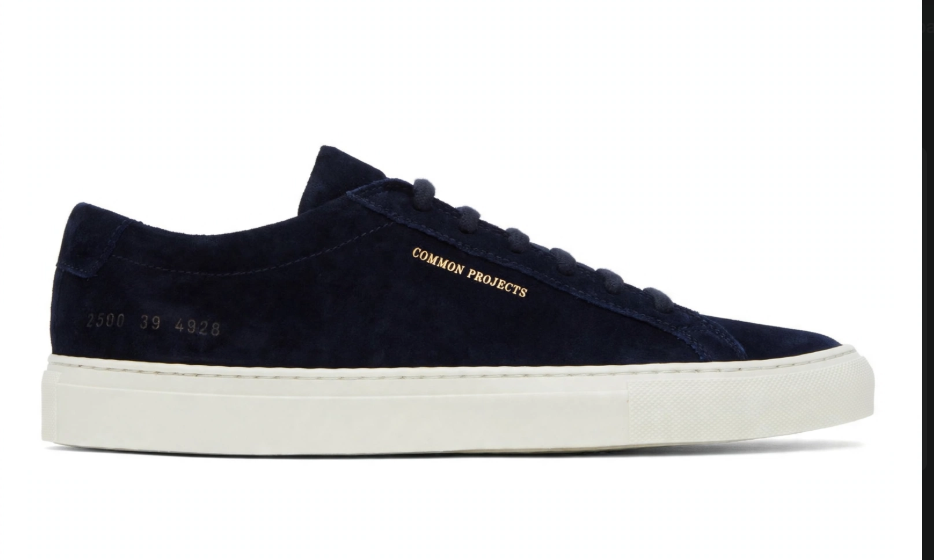

Shoes play a major part in how an outfit looks and feels. Even when clothing remains simple, the shape of a shoe can change the overall appearance. A rounded toe creates a relaxed impression, while a narrow profile can make an outfit look sharper. These small design details influence how people dress for work, weekends and social occasions. Common Projects reflects this connection between footwear shape and modern menswear through clean lines, simple designs and carefully balanced proportions. Understanding shoe shapes helps men choose footwear that suits their clothing, personal taste and daily activities. From slim leather trainers to wider casual shoes, each design creates a different visual effect. Knowing how these shapes work makes it easier to build outfits that feel comfortable and look well put together.
How Shoe Shape Influences an Outfit
The shape of a shoe affects the balance between footwear and clothing. A slim trainer can give straight-leg jeans a neat finish, while a wider shoe may work better with relaxed trousers. These proportions matter because footwear takes up a visible part of an outfit. When shoes look too small beneath wide trousers, the overall appearance can feel unbalanced. The same problem can happen when large shoes sit beneath narrow trousers. Men can avoid this by considering the width, length and height of their footwear before choosing an outfit. A balanced combination makes everyday clothing look more natural without requiring complicated styling choices.
Understanding Different Shoe Shapes
Shoe designs come in several forms, and each one creates its own appearance. Learning about these differences helps shoppers find footwear that suits their wardrobe.
Rounded-Toe Shoes
Rounded-toe shoes have a softer appearance and often suit relaxed clothing. Their shape works well with straight-leg jeans, casual chinos and everyday trousers. They also offer room around the toes, which can make them comfortable for longer periods of wear. Men who prefer an easygoing style may find this shape suitable for regular use. Neutral colours such as white, grey and black make rounded footwear easier to combine with different clothing choices.
Slim and Narrow Shoes
Slim shoes create a cleaner outline and can make an outfit appear more refined. Their narrow shape works well with tailored trousers, cropped jeans and fitted clothing. A low-profile leather trainer offers a simple way to add this look without wearing formal footwear. Common Projects is often associated with this understated approach to trainer design. A slim silhouette can also help maintain a neat appearance when an outfit includes a lightweight jacket or a well-fitted shirt.
Wide and Chunky Shoes
Chunkier shoes have a stronger visual presence. Their larger shape can balance loose trousers, oversized shirts and relaxed outerwear. This style suits men who enjoy casual clothing with more noticeable proportions. When wearing wider shoes, it helps to choose trousers with enough width around the ankle. This creates a smoother connection between the clothing and footwear. A simple colour combination can also prevent the shoes from taking too much attention away from the rest of the outfit.
Matching Shoe Shapes With Everyday Clothing
Choosing footwear becomes easier when men consider the cut of their clothes. Straight-leg jeans usually work with several shoe shapes, which makes them a useful option for everyday dressing. Slim trainers give them a neat finish, while rounded designs create a relaxed appearance. Chinos offer another flexible choice because they work with leather trainers, casual lace-ups and low-profile shoes. For wider trousers, footwear with a slightly larger shape can help maintain visual balance. Cropped trousers also give shoes more attention, so the shape and colour become easier to notice. Men can create a consistent appearance by keeping these proportions in mind rather than following every seasonal fashion trend.
The Role of Colour and Material in Shoe Design
Shoe shape is only one part of the design. Colour and material also affect how footwear works with everyday clothing. White leather trainers offer a clean appearance and pair well with denim, chinos and neutral outfits. Black shoes create a sharper effect and can suit darker trousers or smart casual clothing. Suede gives footwear a softer texture, making it a good choice for relaxed outfits. Leather usually has a smoother finish and can work across casual and slightly formal settings. Common Projects UK uses simple footwear styling that shows how restrained colours and clean silhouettes can complement many wardrobe choices. Men who prefer practical dressing can start with white, black or neutral footwear before adding more distinctive designs.
Comfort, Fit and Everyday Wear
A shoe may look attractive, but its fit matters just as much as its appearance. The toe area should provide enough room for natural movement, while the heel should feel secure during walking. Shoes that pinch the toes or allow too much movement can become uncomfortable during daily activities. Men should also consider the sole, lining and material before buying a pair. A flexible sole may suit regular walking, while a firmer construction can offer a different feel. The right shape should support the foot without making movement difficult. Trying shoes on later in the day can help shoppers assess fit when their feet have expanded slightly. Paying attention to these details helps people choose footwear they can wear regularly.
Building a Wardrobe Around Timeless Shoe Shapes
A useful footwear collection does not need dozens of pairs. A few well-chosen shapes can cover most everyday situations. White low-profile trainers work with jeans, chinos and casual trousers. Dark leather shoes offer another option for dinners, office settings and occasions that call for a smarter appearance. A rounded casual pair can suit weekends and relaxed clothing. Men can also consider seasonal needs, such as suede footwear for dry autumn days or leather designs that are easier to wipe clean during wet weather. Common Projects offers an example of how simple trainer shapes can remain relevant across different clothing styles. Choosing shoes that work with existing clothes can help reduce unnecessary purchases and make daily outfit decisions easier.
FAQs
1. Why does shoe shape matter in everyday fashion?
Shoe shape affects the balance of an outfit. It can make clothing look relaxed, sharp or more casual depending on its proportions.
2. Which shoe shape works best with slim trousers?
Slim, low-profile trainers usually pair well with narrow trousers because their proportions create a neat appearance.
3. Are chunky trainers suitable for everyday outfits?
Yes. Chunky trainers work well with relaxed jeans, wider trousers and casual clothing. The right fit and colour help maintain balance.
4. Do white leather trainers suit different clothing styles?
White leather trainers pair well with denim, chinos, shorts and many smart casual outfits, making them a flexible footwear choice.
5. How can men choose the right shoe shape?
Men should consider foot comfort, trouser width, personal style and daily activities. Trying different designs can help them find a suitable pair.