
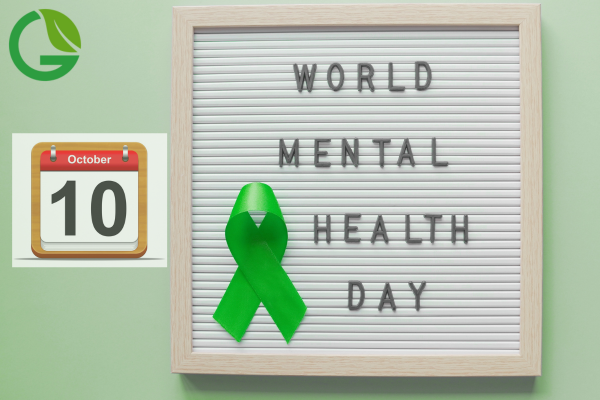
In a world that often emphasizes physical health and material success, it’s essential not to overlook the significance of mental health. Mental health is the foundation upon which we build our lives, relationships, and overall well-being. World Mental Health Day, observed on October 10th every year, serves as a reminder of the importance of mental health, raises awareness, and encourages dialogue on this critical issue.
The Global Mental Health Crisis
The global mental health crisis is a pressing issue that affects people from all walks of life. It transcends geographical boundaries, gender, age, and socioeconomic status. According to the World Health Organization (WHO), one in four people in the world will be affected by mental or neurological disorders at some point in their lives. This crisis not only impacts individuals but also communities and societies as a whole.
Understanding Mental Health
Mental health refers to emotional, psychological, and social well-being. It encompasses our thoughts, feelings, and behaviors. A healthy mind enables us to cope with the stresses of life, work productively, maintain fulfilling relationships, and make informed decisions. Mental health is not just the absence of mental illness; it’s a state of overall well-being.
The Importance of World Mental Health Day
World Mental Health Day, established by the World Federation for Mental Health, provides an opportunity to address the stigma surrounding mental health issues and promote open conversations. It serves as a platform to:
- Raise Awareness: World Mental Health Day increases public awareness of mental health concerns and the importance of seeking help when needed.
- Reduce Stigma: The day aims to reduce the stigma associated with mental health conditions, encouraging people to seek support without fear of judgment.
- Promote Education: Educational initiatives on this day help people better understand mental health, its signs, and how to support those in need.
- Advocate for Policy Changes: It’s an opportunity to advocate for improved mental health policies, access to mental health services, and funding for research.
Common Mental Health Issues
Mental health issues are diverse and can range from mild to severe. Some of the common mental health conditions include:
- Depression: Characterized by persistent sadness, lack of interest or pleasure in activities, and changes in appetite or sleep patterns.
- Anxiety Disorders: Including conditions like generalized anxiety disorder, social anxiety disorder, and panic disorder, which lead to excessive worry and fear.
- Bipolar Disorder: Marked by extreme mood swings, including episodes of mania and depression.
- Schizophrenia: A severe mental disorder characterized by distorted thinking, hallucinations, and impaired social functioning.
- Post-Traumatic Stress Disorder (PTSD): Occurs in individuals who have experienced traumatic events, leading to flashbacks, nightmares, and severe anxiety.
Promoting Mental Well-being
While addressing mental health issues is crucial, it’s equally essential to promote mental well-being and resilience. Here are some strategies to enhance mental health:
- Connect with Others: Build and maintain strong social connections. Spend time with loved ones, friends, and support networks.
- Physical Activity: Regular exercise is not only beneficial for the body but also for the mind. It releases endorphins, which improve mood.
- Healthy Diet: Eat a balanced diet rich in nutrients. What you eat can significantly impact your mood and cognitive function.
- Mindfulness and Meditation: Practice mindfulness and meditation to reduce stress and increase self-awareness.
- Seek Professional Help: If you or someone you know is struggling with mental health issues, don’t hesitate to seek professional assistance from therapists, counselors, or psychiatrists.
A Global Effort
Improving mental health is a global effort that requires the collaboration of individuals, communities, governments, and organizations. Here are some ways we can contribute to this effort:
- Raise Awareness: Share information about mental health on social media, in your workplace, and within your community to reduce stigma and encourage conversations.
- Support Organizations: Contribute to or volunteer with mental health organizations that provide services, support, and advocacy.
- Advocate for Change: Encourage policymakers to prioritize mental health in healthcare systems and allocate resources for mental health services.
- Be Compassionate: Be empathetic and nonjudgmental when interacting with people who may be experiencing mental health challenges.
Conclusion
A healthy mind is not only essential for personal well-being but also for building a better world. World Mental Health Day reminds us that mental health is a fundamental part of being human, and addressing mental health concerns is a collective responsibility. By raising awareness, reducing stigma, and promoting mental well-being, we can create a world where everyone has the opportunity to thrive mentally and emotionally. Let us work together to make this vision a reality.