
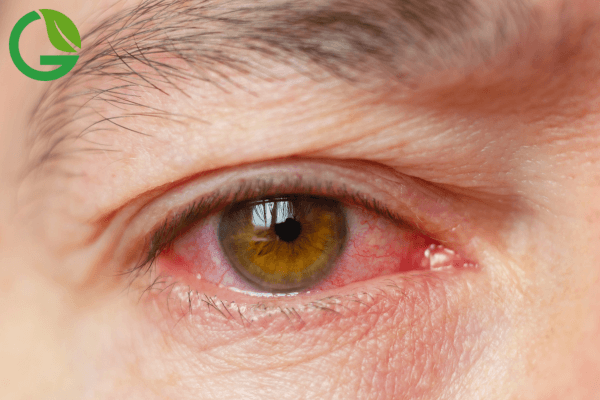
India, a diverse nation with rich cultural heritage, is no stranger to various health challenges. One such common ailment that affects millions each year is eye flu, medically known as conjunctivitis. This highly contagious infection causes redness, irritation, and discomfort in the eyes, affecting people of all ages. In this blog, we will delve into the causes, symptoms, and prevention of eye flu, shedding light on measures to stay safe and healthy.
Causes of Eye Flu
Eye flu is primarily caused by viral or bacterial infections that lead to inflammation of the conjunctiva, the thin membrane covering the whites of the eyes and the inner surface of the eyelids. The most common types of eye flu include:
- Viral Conjunctivitis: Often associated with cold or flu-like symptoms, viral conjunctivitis is highly contagious and spreads through contact with infected droplets or objects.
- Bacterial Conjunctivitis: This type is caused by bacteria like Staphylococcus aureus or Streptococcus pneumoniae, usually resulting from poor hygiene or sharing contaminated items.
- Allergic Conjunctivitis: Not caused by infections, but by allergens such as pollen, dust, pet dander, or certain chemicals that trigger an allergic reaction in the eyes.
Symptoms of Eye Flu
Recognizing the early signs of eye flu is essential for timely intervention. The symptoms may vary depending on the type of conjunctivitis:
- Viral Conjunctivitis:
- Redness in the whites of the eyes.
- Watery discharge from the eyes.
- Itchy and irritated eyes.
- Light sensitivity.
- Bacterial Conjunctivitis:
- Intense redness in the eyes.
- Thick, yellowish or greenish discharge from the eyes, especially after sleep.
- Swelling of the eyelids.
- Allergic Conjunctivitis:
- Severe itching and burning sensation in the eyes.
- Excessive tearing.
- Swollen eyelids.
Prevention Measures
While eye flu is common, there are several preventive measures one can take to minimize the risk of infection:
- Hand Hygiene: Regularly washing hands with soap and water or using hand sanitizers can prevent the spread of viral and bacterial infections.
- Avoid Touching Eyes: Refrain from touching or rubbing your eyes, especially if you have been in contact with potentially contaminated surfaces.
- Personal Items: Avoid sharing personal items like towels, pillows, or eye makeup to prevent the transmission of the infection.
- Proper Cleaning: Ensure proper cleaning of contact lenses and their containers to reduce the risk of eye infections.
- Environmental Awareness: Stay away from known allergens and maintain a clean environment to prevent allergic conjunctivitis.
Treatment and Seeking Medical Attention
Mild cases of eye flu often improve on their own within a few days. However, it is crucial to seek medical attention if you experience severe symptoms, persistent pain, blurred vision, or if the condition worsens.
Treatment may include:
- Antibiotics or Antiviral Medications: Prescribed by a healthcare professional for bacterial or viral conjunctivitis respectively.
- Artificial Tears: Over-the-counter lubricating eye drops to ease discomfort and dryness.
- Allergy Medications: For managing allergic conjunctivitis symptoms.
Conclusion
Eye flu, though common, should not be taken lightly. By following proper preventive measures, maintaining good eye hygiene, and seeking timely medical attention when needed, we can protect ourselves and others from the discomfort and spread of this infection. Let’s prioritize our eye health and work together to create a healthier, happier India.