




Introduction
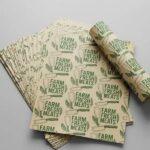
In the competitive food industry, packaging plays an important role in attracting customers and building brand recognition. Restaurants, cafés, bakeries, food trucks, and delis are constantly looking for ways to make their products stand out. One simple yet effective solution is custom printed deli paper. This versatile packaging material combines practicality with attractive branding, helping businesses create a professional presentation for their food products. Custom printed deli paper can feature business logos, brand colors, promotional messages, and unique patterns. It is commonly used to wrap sandwiches, line food baskets, serve burgers, and package bakery items. By incorporating personalized designs into everyday packaging, businesses can improve the customer experience while promoting their brand with every order.
What Is Custom Printed Deli Paper?
Custom printed deli paper is a specially designed paper used for wrapping, separating, and serving food. Unlike plain deli paper, it features personalized printing that reflects a business’s visual identity. Depending on the intended application, businesses can choose different paper styles, sizes, colors, and printing designs. This packaging solution is popular among restaurants, sandwich shops, burger outlets, bakeries, cafés, and catering companies. It provides a clean surface for presenting food while helping businesses maintain a consistent brand image. Many businesses choose custom printed deli paper because it offers an affordable way to personalize packaging without investing in expensive boxes or complicated packaging systems. Even a simple logo printed on paper can make an ordinary food order feel more distinctive and memorable.
Benefits of Using Custom Printed Deli Paper
1. Strengthens Brand Recognition
Brand recognition is essential for businesses that want to establish a loyal customer base. Custom printed deli paper allows companies to display their logos, slogans, and brand colors directly on their food packaging. Whenever customers receive a sandwich wrapped in branded paper or a burger served in a printed basket liner, they encounter the business’s identity. Repeated exposure can help customers remember the brand and recognize it more easily in the future. Consistent packaging also creates a professional appearance that helps businesses communicate their personality and values.
2. Creates an Attractive Food Presentation
Food presentation influences how customers perceive a meal. Well-designed packaging can make food look more appealing before the first bite.
Custom printed deli paper adds visual interest to sandwiches, burgers, fries, pastries, and other food items. Businesses can select minimalist patterns, bold graphics, or elegant designs that complement their menu and interior décor.
For example, a modern burger restaurant might use black-and-white printed paper, while a bakery could choose soft colors and decorative patterns. Matching the paper design to the overall brand identity creates a cohesive presentation.
3. Offers a Cost-Effective Marketing Opportunity
Marketing does not always require expensive advertising campaigns. Packaging can provide a practical way to keep a brand visible during everyday customer interactions.
Custom printed deli paper transforms a basic packaging material into a promotional tool. Customers may notice the branding while eating in the restaurant, ordering takeaway, or sharing food photographs on social media.
Because deli paper is used regularly, it can support ongoing brand exposure without requiring a separate promotional item for every order. For businesses with high daily sales, this can be a useful addition to their marketing strategy.
4. Supports Convenient Food Service
In addition to its branding benefits, deli paper serves several practical purposes. Depending on the material and its specifications, it can help separate food items, line serving trays, wrap sandwiches, and make food handling more convenient.
It can also help reduce direct contact between food and serving surfaces. However, the paper should be selected according to the food being served, including its moisture, temperature, and grease content.
Choosing the right material ensures that custom printed deli paper supports both attractive presentation and efficient food service.
Popular Uses of Custom Printed Deli Paper
Custom printed deli paper is suitable for a wide range of food businesses and applications.
Restaurants and Burger Shops
Burger restaurants frequently use printed deli paper to wrap burgers and line serving baskets. A distinctive design can complement the restaurant’s branding and improve the appearance of dine-in and takeaway orders.
Sandwich Shops and Delis
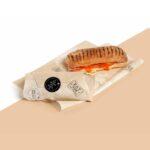
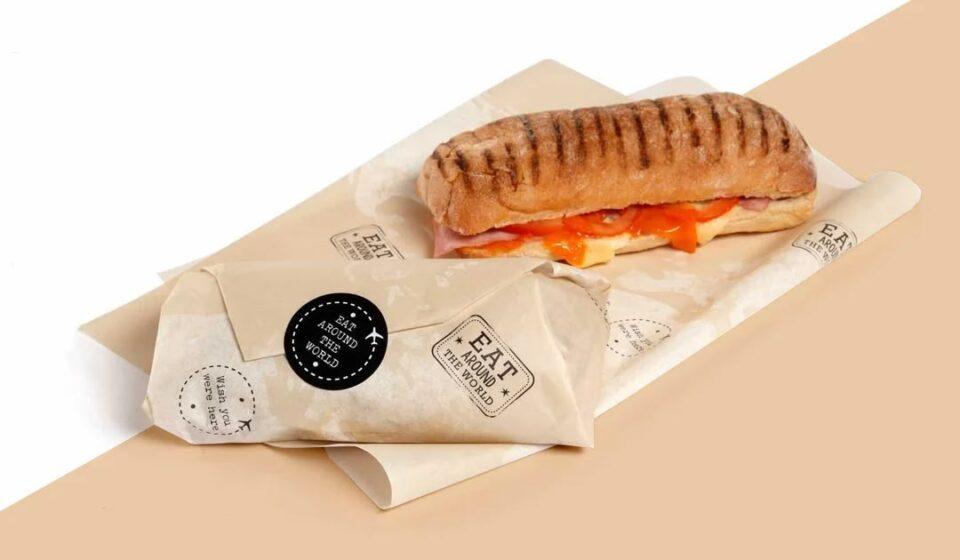
Sandwich shops can use branded paper to wrap subs, paninis, and other prepared foods. Personalized printing helps create a consistent presentation while keeping packaging simple and practical.
Bakeries and Cafés
Bakeries and cafés can use custom printed deli paper for cookies, pastries, croissants, and selected takeaway products. A coordinated design can make packaging feel more polished and reinforce the business’s visual identity.
Food Trucks and Takeaway Businesses
Food trucks often need packaging that is lightweight, convenient, and easy to manage during busy service periods. Custom printed deli paper offers an opportunity to display branding while supporting quick food preparation and serving.
Catering and Special Events
Catering companies can use personalized deli paper for corporate lunches, private events, food festivals, and promotional gatherings. Event-specific designs can include themed graphics or company branding to create a more memorable presentation.
How to Choose the Right Custom Printed Deli Paper
Selecting the appropriate deli paper involves considering several important factors.
Paper Quality and Food Compatibility
The first consideration should be the paper’s suitability for the intended food application. Different products require different levels of grease resistance, moisture resistance, and durability.
Businesses should select food-contact-compliant materials and verify that the paper is suitable for the temperatures and conditions in which it will be used.
Printing Design and Brand Colors
The design should reflect the business’s identity without making the paper look overcrowded. Clear logos, balanced spacing, and complementary colors can produce a professional result.
Simple repeating patterns are often effective because they allow the brand to remain recognizable across different packaging sizes.
Paper Size and Format
Deli paper is available in different dimensions and formats, depending on the supplier. Restaurants should consider their menu items, serving trays, wrapping methods, and storage space before choosing a size.
Ordering the correct dimensions can help reduce unnecessary waste and improve daily workflow.
Grease Resistance and Durability
Grease resistance is particularly important for burgers, fried foods, and other oily menu items. Businesses should confirm the paper’s performance with their intended products before placing a large order.
Testing samples can help determine whether the paper maintains its appearance and functionality during normal service.
Minimum Order Quantities and Pricing
Custom printing costs depend on factors such as paper specifications, printing complexity, order quantity, and production requirements. Businesses should compare suppliers based on overall value rather than price alone.
Requesting samples and reviewing production timelines can help avoid unexpected issues.
Design Ideas for Custom Printed Deli Paper
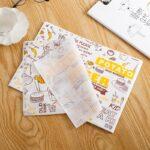
Creative designs can make branded packaging more recognizable. Businesses can experiment with repeating logos, illustrated food icons, geometric patterns, or typography-based layouts.
A coffee shop might use small coffee cup illustrations alongside its logo, while a sandwich shop could incorporate simple ingredient graphics. Restaurants with a premium identity may prefer understated patterns and limited colors.
Seasonal designs can also be useful for holidays, special promotions, and limited-time menu launches. Regardless of the style, maintaining consistent branding helps customers associate the packaging with the business.
Before approving a design, businesses should check logo clarity, spelling, color accuracy, and print placement. A properly prepared design file can help ensure a more consistent final result.
Are Custom Printed Deli Papers Eco-Friendly?
Environmental considerations are increasingly important for food businesses. The sustainability of custom printed deli paper depends on its material composition, coatings, inks, and local waste-management facilities. Uncoated paper may be recyclable where accepted, but grease, food contamination, and certain coatings can affect disposal options. Grease-resistant or laminated products may require different handling.
Businesses interested in sustainable packaging should ask suppliers about responsibly sourced paper, food-safe inks, applicable certifications, and disposal guidance. They should also avoid describing packaging as biodegradable, compostable, or recyclable unless the relevant claims are supported by the product’s specifications and local requirements. Making informed material choices can help businesses balance branding goals with environmental considerations.
Conclusion
Custom printed deli paper is a practical packaging solution that combines everyday functionality with valuable branding opportunities. From burger restaurants and sandwich shops to bakeries and catering companies, businesses can use personalized paper to improve food presentation, strengthen brand recognition, and create a more consistent customer experience. Choosing the right paper quality, design, size, and printing specifications is essential for achieving the best results. Businesses should also consider food safety, grease resistance, supplier reliability, and environmental requirements when comparing options.