






Streetwear is no longer limited to oversized hoodies and graphic T-shirts. It has become a flexible fashion choice that works across different situations. With thoughtful combinations, comfortable fabrics, and well-chosen accessories, you can create outfits that feel appropriate for almost any occasion.
1. Start With Comfortable Basics
A practical streetwear wardrobe begins with versatile basics. Plain T-shirts, relaxed trousers, hoodies, and simple sweatshirts provide a foundation for different outfits. Neutral shades such as black, grey, white, and beige are easy to combine with stronger colours and graphic designs.
2. Create Relaxed Everyday Outfits
For everyday activities, comfort should be a priority. Pair a graphic T-shirt with loose-fit jeans and clean sneakers for a simple look. On cooler days, add a lightweight jacket or sweatshirt. Explore different streetwear collections, including , to find inspiration for casual outfit combinations.
3. Make Social Outfits More Interesting
Meeting friends or attending casual events gives you an opportunity to experiment with your style. Try combining a statement hoodie with straight-leg trousers or wearing a graphic top under an open overshirt. A balanced outfit usually looks more intentional than one built around too many statement pieces.
4. Choose Practical Travel Clothing
Travel outfits should offer comfort and flexibility. Relaxed trousers, breathable shirts, comfortable sneakers, and a lightweight outer layer make useful combinations. Keep accessories simple and choose clothing that can be mixed into multiple outfits during a trip.
5. Use Music-Inspired Fashion Carefully
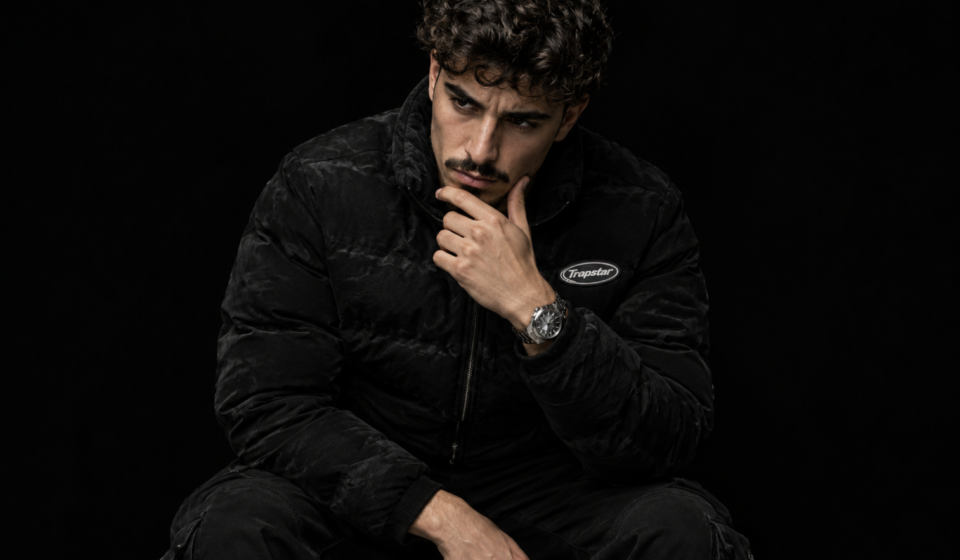
Music culture has influenced streetwear through graphic designs, merchandise, and distinctive styling. A statement piece inspired by an artist can become the focus of an outfit. offers an example of how music-related fashion can bring personality into everyday clothing.
6. Adjust Your Look for Different Weather
Layering helps make streetwear more adaptable throughout the year. Lightweight jackets and breathable T-shirts work well in mild weather, while hoodies and heavier outerwear provide additional warmth during colder months. Choose layers that complement each other instead of making the outfit unnecessarily complicated.
7. Pay Attention to Small Details
Accessories can change the overall impression of an outfit. Caps, beanies, crossbody bags, and simple jewellery add character without requiring a complete wardrobe change. The key is to select accessories that work with the clothing rather than compete with it.
You do not need to rely on bright tops to experiment with colour. Trousers, jackets, sneakers, and accessories can introduce new shades into an outfit. A neutral sweatshirt paired with coloured trousers can create a different look while keeping the upper half simple.
8. Explore Different Streetwear Influences
Streetwear has developed through many regional and cultural influences. Australian-inspired designs, for example, often combine relaxed silhouettes with bold graphics. Collections from geedup provide another source of inspiration for building casual outfits with a strong streetwear identity.
9. Finish With the Right Headwear
Headwear is a practical way to complete an outfit. A cap can add a sporty touch, while a beanie works naturally with relaxed cold-weather clothing. For different designs and styling ideas, Gorras Barbas Hats offers inspiration for incorporating caps into everyday looks.
Build a Wardrobe That Fits Your Routine
The best streetwear wardrobe is one that fits your actual lifestyle. Instead of collecting pieces that only work in one combination, focus on clothing that can be styled in several ways. A few dependable basics, selected statement pieces, and useful accessories can create plenty of outfit possibilities.
There is no single colour formula that works for everyone. The most effective combinations depend on the clothing, occasion, and overall look you want to create. Start with reliable neutral shades, experiment with one or two stronger colours, and pay attention to how different fabrics and designs work together. Over time, choosing colours becomes a natural part of developing your own streetwear identity.