





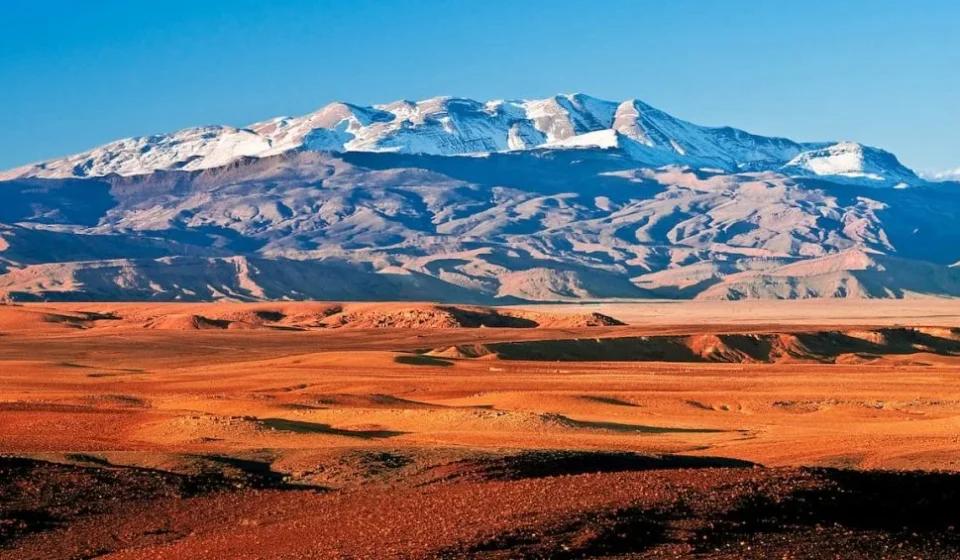

Morocco is a country known for its diverse landscapes, rich cultural heritage, and fascinating history. Among its most remarkable natural attractions is a vast mountain range offering breathtaking scenery, traditional communities, and countless opportunities for outdoor adventures.
From towering peaks and green valleys to remote villages and winding mountain trails, this destination provides an unforgettable experience for travelers seeking something beyond the usual tourist attractions.
The beauty of atlas mountains morocco lies in their incredible diversity. Visitors can explore dramatic rocky landscapes, discover peaceful mountain settlements, experience traditional Berber hospitality, and enjoy spectacular views across some of North Africa’s most impressive natural environments. Whether someone enjoys hiking, photography, cultural exploration, or adventure tourism, these mountains offer something special.
Discovering the Beauty of the Atlas Mountain Range
The atlas mountains morocco, Algeria, and Tunisia, creating one of North Africa’s most important geographical features. The Moroccan section is particularly popular among travelers because of its dramatic scenery, accessible hiking routes, and traditional mountain communities.
The range is generally divided into three main sections: the High Atlas, Middle Atlas, and Anti-Atlas. Each region has its own landscape, climate, and cultural characteristics.
The High Atlas is famous for its impressive peaks and challenging hiking opportunities. The Middle Atlas features forests, lakes, and green plateaus, while the Anti-Atlas is known for its rocky terrain, unusual geological formations, and beautiful desert surroundings.
Together, these regions create an extraordinary destination where visitors can experience several different environments during one journey.
Exploring the High Atlas and Its Majestic Peaks
The High Atlas is among the most spectacular mountain regions in Morocco. Its rugged mountains, deep valleys, and snow-covered summits attract hikers, climbers, and nature enthusiasts throughout the year.
One of its most famous landmarks is Mount Toubkal, which reaches approximately 4,167 meters above sea level. It is the highest mountain in North Africa and a major attraction for adventure travelers.
Climbing Mount Toubkal is a rewarding experience for people who enjoy challenging outdoor activities. The journey typically begins in Imlil, a mountain village that serves as an important starting point for trekking adventures. From there, hikers follow established trails through rocky landscapes, mountain paths, and high-altitude surroundings.
Although the climb does not usually require technical mountaineering skills in normal conditions, proper preparation, suitable equipment, and awareness of changing weather are essential.
The surrounding peaks also offer beautiful views, making the High Atlas an excellent destination for photography and exploration.
Discovering Beautiful Valleys and Natural Landscapes
One of the most attractive features of the Atlas Mountains Morocco is the variety of valleys found throughout the region. These valleys provide a striking contrast to the surrounding rocky mountains.
The Ourika Valley is a popular destination because of its green landscapes, traditional villages, and flowing rivers. Located within reach of Marrakech, it provides an excellent opportunity for visitors to experience mountain scenery without traveling too far from the city.
Another remarkable destination is the Aït Bouguemez Valley, often called the Happy Valley. It is known for its agricultural fields, traditional architecture, and peaceful atmosphere. Visitors can explore local settlements, enjoy scenic walking routes, and learn about traditional mountain lifestyles.
The Dades Valley is another fascinating area, featuring dramatic rock formations, winding roads, and impressive landscapes. Its distinctive scenery makes it particularly attractive to photographers and road-trip enthusiasts.
These valleys demonstrate how geography, agriculture, and traditional lifestyles are closely connected throughout the mountain region.
Hidden Villages and Traditional Berber Culture
Beyond the famous mountain peaks and valleys, numerous small villages offer travelers an opportunity to discover Morocco’s cultural heritage.
Many mountain communities are home to Amazigh people, also commonly known as Berbers. Their traditions, languages, architecture, and agricultural practices have developed over generations.
Traditional villages often feature stone or earthen houses built using locally available materials. Their architecture reflects the surrounding environment and protects changing mountain temperatures.
Visitors may encounter traditional markets, family-run guesthouses, handmade crafts, and locally prepared meals. These experiences allow travelers to understand everyday life in mountain communities.
Hospitality is an important part of local culture. Guests may be welcomed with traditional mint tea, homemade bread, and regional dishes such as tagine and couscous.
Exploring these villages also creates opportunities to support local businesses and community-based tourism.
Adventure Activities for Nature Enthusiasts
The mountain region offers a wide range of activities for visitors with different interests and experience levels.
Hiking and trekking: Walking through mountain trails allows visitors to discover beautiful landscapes, traditional villages, and peaceful natural surroundings.
Mountain climbing: Experienced adventurers can explore challenging peaks, including Mount Toubkal, with appropriate preparation and guidance.
Photography: The changing light, dramatic mountains, colorful valleys, and traditional settlements provide excellent photography opportunities.
Mountain biking: Certain routes offer exciting cycling experiences through rural landscapes and winding mountain roads.
Cultural tours: Guided village visits provide opportunities to learn about local traditions, food, architecture, and daily activities.
These experiences make the region suitable for both adventure seekers and travelers interested in relaxing cultural journeys.
The Best Time to Visit the Atlas Mountains
Choosing the right season can significantly improve the travel experience. Spring, particularly from March to May, is an excellent period for exploring many mountain valleys. During this time, temperatures are generally pleasant, flowers begin to bloom, and agricultural landscapes become greener.
Autumn, from September to November, is another popular season. The weather is often comfortable for hiking, and the landscapes offer beautiful colors.
Summer can be warm in lower-altitude areas, although higher mountain locations generally remain cooler. Winter brings snowfall to parts of the High Atlas, creating beautiful scenery but also making certain hiking routes more challenging.
Travelers planning high-altitude adventures should check weather forecasts and trail conditions before departure. Hiring experienced local guides can also improve safety and provide valuable knowledge about the region.
Travel Tips for an Enjoyable Mountain Adventure
A successful mountain journey requires thoughtful preparation. Visitors should pack comfortable walking shoes, weather-appropriate clothing, sunscreen, and sufficient drinking water.
Mountain temperatures can change quickly, particularly at higher elevations. Carrying warm layers is therefore important, even when visiting during warmer months.
Respecting local customs is equally important. Travelers should dress appropriately when visiting traditional villages, ask permission before photographing residents, and avoid disturbing private property.
Supporting local guides, guesthouses, restaurants, and craft producers helps communities benefit directly from tourism.
Responsible travel also means avoiding littering, respecting wildlife, and protecting natural water sources. Small actions can make a meaningful difference in preserving these landscapes for future generations.
Why the Atlas Mountains Should Be on Every Traveler’s List
The Atlas Mountains Morocco offer much more than beautiful scenery. They provide an opportunity to experience a different side of Morocco, away from busy city streets and crowded tourist attractions.
Visitors can spend their mornings walking through peaceful valleys, afternoons discovering traditional villages, and evenings enjoying local food in welcoming mountain guesthouses.
The combination of natural beauty, cultural richness, and outdoor adventure makes this region particularly memorable. Every valley has its own character, every village has its own traditions, and every mountain trail offers a different perspective of the surrounding landscape.
For travelers interested in authentic experiences, these mountains provide an excellent opportunity to connect with nature and local communities.
Discover Morocco with mttoubkaltrek
Planning a memorable mountain adventure becomes easier with the right travel support. mttoubkaltrek is a brand associated with exploring Morocco’s mountain destinations and discovering the beauty of the High Atlas region.
Travelers interested in trekking, mountain exploration, and cultural experiences can look toward specialized local tour services to organize their journeys. Exploring with knowledgeable guides can help visitors discover scenic routes, understand local traditions, and enjoy a more organized experience.
Whether the goal is climbing Mount Toubkal, visiting traditional villages, or exploring beautiful valleys, choosing suitable travel assistance can make the journey more rewarding.
Conclusion
Morocco’s mountain landscapes offer an extraordinary combination of natural beauty, cultural traditions, and adventure opportunities. From the impressive summit of Mount Toubkal to the peaceful surroundings of the Ourika and Aït Bouguemez valleys, every destination provides something unique.
Exploring remote villages, meeting local communities, enjoying traditional food, and walking through breathtaking landscapes can create lasting travel memories. With proper planning and responsible tourism practices, visitors can experience the region while helping preserve its natural and cultural heritage.