




Eco Decking vs Traditional Timber: Which Offers Better Long-Term Value in Melbourne?

Two outdoor decks can look equally attractive when they are first installed, yet require very different levels of attention over the following years.
A natural timber deck may need periodic refinishing to maintain its preferred appearance. A composite deck might avoid that particular task but still require cleaning and occasional repairs.
For Melbourne homeowners, the better investment depends on more than how the boards look on installation day.
The decision involves material costs, maintenance, weather exposure, personal preferences and the intended lifespan of the outdoor area.
When considering eco decking Melbourne, comparing these factors with traditional timber can help clarify which option offers better long-term value.
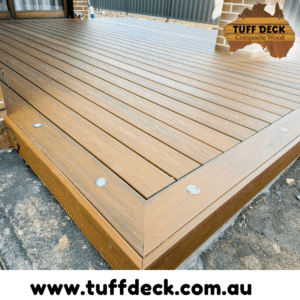
Understanding the Two Decking Materials
Traditional timber decking uses natural wood boards, with common Australian options including treated pine and various hardwood species.
Eco-oriented decking is a broader category and may include products manufactured from recycled or responsibly sourced materials.
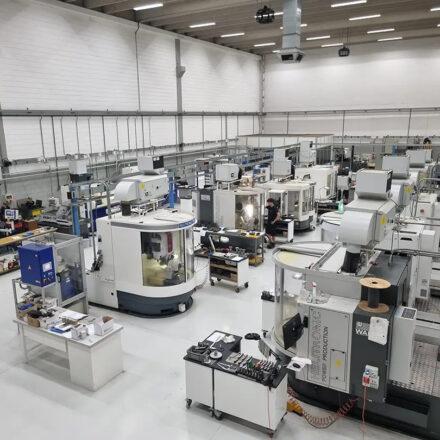
How Composite Decking Is Manufactured
Wood-plastic composite boards typically combine wood fibres or reclaimed timber with plastic polymers.
The materials are processed into boards designed for outdoor use.
Composite products vary in composition, construction and surface finish.
Natural timber also varies significantly between species, grades and treatments.
Consequently, broad comparisons should be supported by the specifications of the actual products being considered.
Which Material Costs Less Initially?
Some timber options, particularly treated pine, can have lower initial material costs than composite decking.
However, premium hardwoods may cost as much as or more than certain composite products.
Installation Costs Can Change the Comparison
The total expense depends on the selected boards, supporting framework and construction conditions.
A straightforward ground-level deck may cost considerably less to install than an elevated structure requiring stairs and balustrades.
For homeowners assessing eco decking Melbourne options, requesting complete installed quotations is more useful than comparing board prices alone.
The quotation should account for the subframe, fixings, labour and necessary finishing components.
How Do Maintenance Requirements Compare?
Maintenance is one of the biggest practical differences between natural timber and many composite decking products.
Traditional Timber Maintenance
Timber decks may need periodic cleaning, oiling, staining or refinishing depending on their exposure and desired appearance.
Without appropriate maintenance, timber can experience weathering, discolouration and other forms of deterioration.
Maintenance requirements vary by species and treatment.
Composite Decking Maintenance
Many composite products do not require regular painting, oiling or staining.
This can reduce the time homeowners spend on particular maintenance tasks.
However, composite decks still need cleaning to remove dirt, leaves and other debris.
Does Low Maintenance Mean No Maintenance?
No decking material is completely maintenance-free.
Composite boards may still experience staining, surface wear or changes in appearance.
Following the manufacturer’s care instructions helps maintain their condition.
The difference lies in the type and frequency of maintenance required.
Which Material Handles Melbourne Weather Better?
Melbourne can experience substantial seasonal temperature variation, rainfall and strong sunlight.
Both timber and composite decking must be suitable for outdoor exposure.
Natural Timber Behaviour
Timber absorbs and releases moisture, which can contribute to expansion, contraction and other movement.
Its performance depends on species, treatment, installation and maintenance.
Composite Material Behaviour
Composite boards have different thermal and moisture-related characteristics.
They may resist some types of moisture-related deterioration but can expand and contract with temperature changes.
When comparing composite decking suppliers Melbourne, confirm the manufacturer’s requirements for spacing, ventilation and installation.
Incorrect installation can cause problems regardless of the material selected.
Which Decking Material Offers Better Comfort?
Outdoor comfort involves more than structural durability.
Surface temperature, texture and intended use can influence how pleasant a deck feels.
Consider Direct Sunlight
Certain decking surfaces, particularly darker colours, can become hot under strong sunlight.
This may be important around pools or areas regularly used barefoot.
The temperature of a decking surface depends on colour, material, exposure and weather conditions.
Evaluate Slip Resistance
Slip resistance deserves attention where decking may become wet.
Some composite products have published slip-resistance test classifications.
Timber surfaces also vary depending on their finish, condition and exposure.
Ask for relevant testing information and assess whether the selected product suits the location.
What About Environmental Impact?
The environmental comparison is not always straightforward.
Natural timber is a renewable resource when sourced and managed responsibly.
Some composite decking products incorporate reclaimed wood and recycled plastics.
Consider the Product’s Full Lifecycle
Environmental impact can involve:
- Material sourcing and recycled content.
- Manufacturing energy and processes.
- Transport distances.
- Expected product lifespan.
- Maintenance materials.
- Repair and replacement needs.
- End-of-life disposal or recycling options.
Neither material should automatically be considered environmentally superior without reliable evidence.
Buyers interested in eco decking Melbourne should request relevant product information rather than relying on general sustainability descriptions.
How Do You Compare Long-Term Costs?
A useful financial comparison extends beyond the installation quotation.
Consider how much each material may cost to maintain over the period you expect to use the deck.
Build a Practical Ownership Budget
Start with the initial installed cost.
Then estimate expected cleaning, refinishing and repair expenses using realistic assumptions.
Where appropriate, include the value of your time.
A timber deck with a lower initial cost may remain economical if maintenance is manageable.
Composite decking may provide better value for homeowners who place a higher priority on avoiding recurring refinishing work.
The outcome depends on the specific products.
Why Choose Tuff Deck?
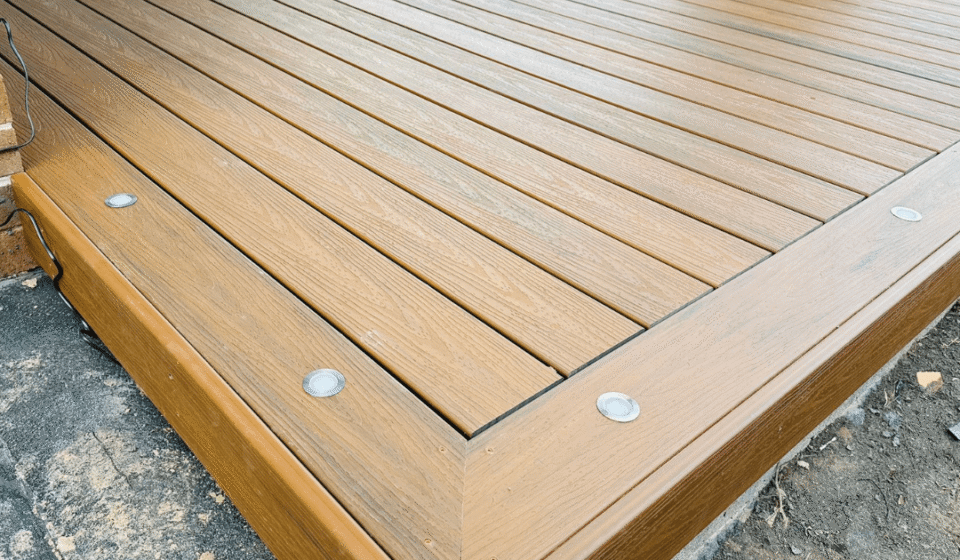
Tuff Deck manufactures composite decking products using reclaimed timber and recycled plastic.
Its range offers an alternative for customers who prefer timber-inspired outdoor surfaces without regular oiling requirements.
When comparing decking suppliers Melbourne, customers can review Tuff Deck’s available colours, dimensions and performance information.
The products provide options for residential and other outdoor decking applications.
About Us – Tuff Deck Australia
Tuff Deck is a Melbourne-based composite decking manufacturer offering Australian-made wood-plastic decking boards.
Its product range includes different finishes designed for outdoor living spaces.
Customers researching composite decking suppliers Melbourne can explore the range and evaluate individual products according to their design, installation and maintenance requirements.
Which Option Should Melbourne Homeowners Choose?
Traditional timber offers natural material characteristics and can suit homeowners who appreciate its appearance and are comfortable with ongoing maintenance.
Composite decking may appeal to those seeking reduced routine refinishing and a manufactured surface with consistent design options.
Neither material delivers the best value in every situation.
Compare actual product costs, installation needs, maintenance and expected use before making your decision.
A suitable deck should fit your property, lifestyle and willingness to maintain it.