






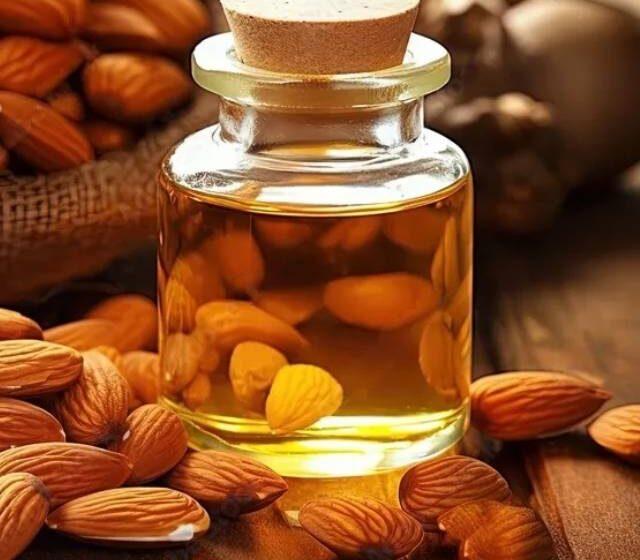
Almond Oil Manufacturer and Bulk Supplier: Your Trusted Source for Quality Wholesale Almond Oil

Almond oil begins with the raw almond kernels. For a bulk supplier, understanding the supply chain is critical. California’s Central Valley produces over 80% of the world’s almonds, with Spain and Italy as major secondary sources. As an almond oil bulk supplier, one must navigate seasonal harvests, global trade flows, and certification requirements. Buyers often evaluate suppliers from key regions (e.g. California, Spain, Italy) for consistent quality and volume. Certificates of analysis (CoA) are used to verify specifications such as free fatty acids (FFA) and peroxide value, ensuring each batch meets food or cosmetic standards.
Extraction Methods for Wholesale Almond Oil
Almond oil is extracted mechanically or chemically. The most common methods for virgin almond oil are screw pressing (expeller-pressing) and hydraulic pressing. Screw (expeller) presses operate continuously and deliver high yields (~49% oil by weight) by forcing almonds through a heated barrel. Although marketed as “cold-pressed,” expeller presses do generate some heat (often kept below ~84°C to preserve quality). Hydraulic presses work in batches, yielding somewhat less oil (~38%) but with fewer solids and lower oxidation, yielding a very high-quality oil suited for cosmetics or gourmet food. Solvent extraction (using hexane) and supercritical CO₂ can extract more oil but are used mainly when cost and purity trade-offs allow; these methods are less common for food-grade wholesale almond oil.
After pressing, refining steps may follow. Some suppliers refine almond oil by neutralizing and filtering (physical refining often uses vacuum and steam) to remove color and flavor, yielding a more neutral oil. Refined oil has lower FFA and milder taste, making it suited for large-scale cosmetic or food applications (where a neutral oil is needed). In contrast, cold-pressed or virgin almond oil retains more nutrients, Vitamin E, and characteristic nutty aroma, though it may have slightly higher FFA (up to ~1%).
Quality Specifications and Standards
Wholesale buyers scrutinize quality parameters. Sweet almond oil’s fatty acid profile is dominated by oleic acid (omega-9), typically ~62–76% of total oil, with linoleic acid (omega-6) around 14–30%. High oleic content gives almond oil natural oxidative stability. A premium cold-pressed oil will have very low initial oxidation: peroxide values under 5 meq O₂/kg at production, and free fatty acids below ~1% for food-grade supplies. These metrics appear on the CoA. The smoke point of almond oil is high (around 430–470°F / 220–245°C), meaning it resists burning at cooking temperatures. Cold-pressed almond oil also retains Vitamin E (α-tocopherol) – roughly 40–80 mg per 100 g – which acts as a natural antioxidant.
Regulatory and labeling standards apply. Both refined and virgin almond oil are considered allergenic (almonds are a tree nut), so finished products must declare “almonds” or “Prunus amygdalus dulcis” on the label. Buyers often require documentation like a Food Safety certification (e.g. GFSI/SQF) and, for EU markets, allergen labeling compliance. California almond oil export must be made from pasteurized almonds (USDA pasteurization certificate) to meet food regulations. Kosher certifications are common for international food/oil ingredients. Cosmetics-grade oil (even if the same raw oil) must be processed in allergen-controlled facilities to prevent cross-contact.
Packaging, Storage, and Logistics
Bulk almond oil is handled much like other liquid food oils. It is sold in large containers and shipped under controlled conditions. Common industrial packages include gallon/jerry cans, steel or plastic drums, IBC totes, and ISO tankers. For example, suppliers may offer drums (~180–190 kg), super-totes (~1,000 kg), and even 20,000+ lb flexitanks. Packaging is typically dark-colored or opaque to minimize light exposure. Containers are filled with minimal headspace, and inert gas (nitrogen) may be used to reduce oxidation risk.
Once packaged, storage conditions are critical. Almond oil should be kept cool (roughly 2–20°C) and away from sunlight. Treehouse Almonds recommends storing below 45°F (7°C) for maximum shelf life. Under ideal conditions (cool, dark, sealed), almond oil can last 12–18 months. During shipping, airfreight or refrigerated containers can be used for small batches, but ocean freight in temperature-controlled containers or tankers is common for bulk orders. Logistics planners ensure minimal temperature swings and quick transit. Large bulk volumes (metric tons) often move by tanker trucks or flexitanks on ships, reducing handling.
Importers typically set minimum order quantities to justify logistics. For almond oil, MOQs are often on the order of a few hundred kilograms. One industry portal lists an MOQ of 180 kg for almond oil bulk orders. However, requirements vary: a specialty manufacturer may offer smaller MOQs (e.g. 100–200 kg) for new customers, while bulk distributors might require a full drum (180–200 kg) at minimum. Private-label or finished-product orders can push MOQs higher (e.g. thousands of bottles) due to bottling costs.
Applications of Wholesale Almond Oil
Almond oil’s versatility makes it valuable in both food and personal care. In food processing, its mild sweet-nutty flavor and healthy fat profile are prized. It is used as a finishing oil (dressings, dips, drizzles) where its aroma enhances the product, as well as in bakery and confectionery where a stable, nutritious fat is needed. Its high smoke point allows limited frying or sautéing in industrial kitchens. In beverage and flavor applications, almond oil can act as a carrier or encapsulant for flavors and nutrients.
In cosmetics and personal care, almond oil is valued for skin and hair. High-quality almond oil (especially cold-pressed) is an emollient in lotions, creams, massage oils, and serums. It’s mild (suitable for baby care) and rich in vitamin E, so it’s used in baby oils, lip balms, and hair conditioners. Brown glass bottles like the one shown below are commonly used for salon-grade oils and serums.
Almond oil also serves as a carrier oil for essential oils or as a base in natural cosmetics. Its stable fatty acids ensure a smooth texture in formulations. Suppliers often sell the same bulk oil specification to both food and cosmetic processors, but they may require different documentation (e.g. GRAS status or cosmetic-grade certificates) depending on end use.
Pricing and Market Factors
Bulk almond oil pricing depends on several factors. Commodity almond prices, yield variability, and processing costs all influence the oil price. Since almonds themselves fluctuate in supply (harvest yields vary year to year), almond oil supplier often moves with the broader almond market. A strong almond crop (as in California) generally means more oil availability and pressure on prices. Conversely, drought or poor harvests can tighten supply.
Origin also affects price. Cold-pressed oil from specialty varieties (e.g. Spanish Marcona almonds) often carries a premium. Smaller suppliers or certified facilities may have higher costs, and retail-packers buying smaller quantities pay more per liter than large industrial buyers. Finally, biofuel and technological trends have little direct impact on almond oil (since it’s mostly edible/cosmetic use), but general vegetable oil markets and currency rates can play a role. Buyers should monitor international trade reports: in 2024 the top almond oil exporters by value were Mexico, the U.S., and Spain, and the largest importers were the U.S., the Netherlands, and Italy, indicating where bulk demand is highest.
Supplier Selection and Buying Tips
Choosing a reliable almond oil manufacturer involves several checks. First, review the supplier’s location and production capacity: California and Mediterranean producers dominate, but ensure they have the needed scale and seasonality plan. Inspect sample CoAs for each batch: they should list FFA, peroxide, fatty acids, moisture, and any solvent residue. Look for indications of processing methods (e.g. “cold-pressed” or “refined”). Verify food safety certifications (e.g. ISO, FSSC 22000, BRC/SQF) if procuring for food use. For cosmetic use, check compliance with cosmetic regulations and whether the oil meets standards (INCI name, no contaminants).
Logistics capability is another factor: a supplier should offer suitable packaging options (drums, totes, tankers) and handle customs paperwork (COA, origin certificate, USDA pasteurization, etc.). Ask about lead times and shipment terms (FOB vs CIF), since freight can add weeks to delivery. Finally, compare pricing but also consider value – a slightly higher-cost supplier with consistent quality and reliability often proves more cost-effective in bulk trade. Established nut processors or specialty oil producers are generally safer picks than very small firms.
Conclusion
In summary, sourcing non-organic almond oil wholesale requires understanding both the product and the market. Key considerations include the extraction process (cold-pressed vs refined), rigorous quality specifications (low FFA and oxidation), and proper packaging/storage to maintain freshness. Logistics planning (MOQ, containers, shipping conditions) and regulatory compliance (allergen labeling, certifications) are equally crucial. By partnering with reputable almond oil manufacturers and bulk suppliers who provide detailed technical data and consistent supply, buyers in food, cosmetics, and personal care can secure the high-quality almond oil they need for their products.
Frequently Asked Questions (FAQs)
-
What extraction methods are used for almond oil?
Mechanical pressing is most common. Screw (expeller) presses yield large volumes (often called cold-pressed if kept cool) and hydraulic presses yield smaller, high-purity batches. Some refiners use neutralization and filtration (vacuum/steam) for refined oil. Solvent or supercritical extraction is rarely used for food/cosmetic oil. -
What quality parameters define wholesale almond oil?
Important specs include fatty acid profile (high oleic ~62–76%), peroxide value (<5–10 meq/kg for fresh oil), free fatty acids (<1% for food-grade), and Vitamin E content. Buyers often require CoAs showing these values. An almond oil’s smoke point (~430–470°F) and clarity are also noted for performance. -
How is bulk almond oil typically packaged and shipped?
Bulk almond oil is packed in sealed, dark containers: common sizes are ~180–200 kg drums, 1,000 kg totes, or flexitanks (~20,000 kg). Shipments are kept cool (<20°C) and dark to prevent rancidity. Smaller private-label orders may use glass or plastic bottles of 30–500 ml with MOQs in the hundreds to thousands of bottles. -
What is a typical MOQ for wholesale almond oil?
MOQs vary by supplier, but industry sources often cite around 180 kg (about 400 lbs) as a minimum for bulk oil orders. Specialty or first-time orders might allow smaller test quantities. Retail bottlers generally face higher MOQs due to bottling line costs (often thousands of bottles). -
What are the main uses of bulk almond oil?
In food, almond oil is used for its flavor and stability: salad dressings, gourmet cooking (due to its high smoke point), baked goods, and confectioneries. In personal care, it’s a gentle emollient for skincare, haircare, and cosmetics. It’s also used as a carrier oil for fragrances and active ingredients in health & beauty products. -
What certifications should buyers look for?
For conventional almond oil, key certifications include food-safety (GFSI schemes like SQF/BRC) and allergen compliance. Kosher and Halal are common for food/oil ingredients. Organic certification is optional (but not required here). Non-GMO certification may also be offered. Buyers should verify third-party audits and COAs (for FFA, peroxide, and any pesticide residue). -
How should almond oil be stored to extend shelf life?
Store almond oil in a cool (ideally ~5–20°C), dark environment with the container tightly sealed. Refrigeration extends shelf life up to about a year. Avoid exposure to heat, light, and air, as these accelerate oxidation and spoilage. Keep containers full or use nitrogen blanketing to minimize headspace. -
What are the differences between cold-pressed and refined almond oil?
Cold-pressed (virgin) oil is extracted without heat/solvents and retains its natural flavor, aroma, and nutrients (Vitamin E). It may have a slightly higher FFA and characteristic nutty taste. Refined oil has been neutralized and filtered (often via steam/vacuum) to remove color and taste, resulting in a bland oil with longer shelf life. Refined oil is often used in large-scale food and cosmetic applications where a neutral oil is needed. -
What factors influence almond oil pricing?
Major factors include global almond harvest size (supply), oil yield per almond, processing costs, and demand. Weather events affecting almonds (e.g. drought) can raise prices. Specialty origin oils (e.g. Spanish Marcona) or certified processing may carry premiums. Currency fluctuations also play a role for importers. Generally, wholesale prices have hovered around $10–20 USD/kg recently, but buyers should negotiate based on order size and contract terms. -
How can a buyer ensure a reliable almond oil supplier?
Verify the supplier’s track record and capacity, request references or trials, and review product specs. Look for transparent quality data (COAs) and third-party audits. Ensure they comply with relevant regulations (FDA/EU rules) and that they maintain food-grade processing standards (especially for allergen control). Local presence or partners can help with logistics. Ultimately, building a relationship with an established supplier or trading platform (with on-site inspections) is advisable for peace of mind.